
Reviewed · LITTLE INDIA TOURS
Singapore: Little India Hawker Street Food Tour
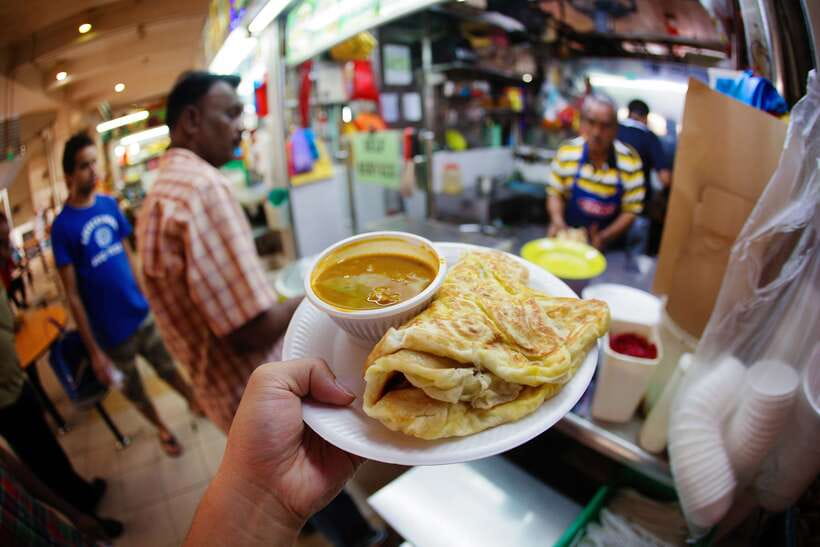
Singapore’s Little India Hawker Street Food Tour puts you at the table with the city’s everyday food culture. For three hours, you’ll move through hawker centres, side streets, and food stalls while trying eight Indian dishes, including Indian rojak, thosai, and pani puri. The best part is that food comes with context: guides such as Kyanta Yap and Corliss explain local history, street life, and how Singapore’s hawker scene works.
I like the mix of proper meal stops and neighborhood storytelling, especially the added looks at street art and local history. I also like that the tour reaches beyond famous Michelin-listed stalls, giving you a taste of places locals use. The main consideration is food variety: the advertised eight tastings center on Indian cuisine, and one booking included six dishes rather than eight, so this suits you best if you want depth more than a wide tour of Singaporean food.
In This Review
- Key points at a glance
- Why Little India is such a good food setting
- Indian rojak, where the meal starts with contrast
- Thosai brings South Indian technique to the table
- Pani puri adds a street-food jolt
- North Indian food changes the rhythm
- Hawker centres are part of the lesson
- Street art and local history keep the walk moving
- Sunday can feel especially local
- What the $86 price really buys you
- Who will get the most from this tour
- Practical advice before you meet at Exit C
- Should you book the Little India Hawker Street Food Tour?
- FAQ
- Where does the Little India Hawker Street Food Tour meet?
- How long does the tour last?
- How much does the tour cost?
- What food is included?
- Is a guide included?
- Which guides may lead the tour?
- Can the tour be cancelled for a refund?
- What happens if fewer than two people book?
Key points at a glance
- Eight Indian food tastings: Expect Indian rojak, thosai, pani puri, North Indian food, and other local favorites.
- Little India beyond the main sights: The route uses hawker centres, lesser-known alleys, and food stalls rather than only polished restaurants.
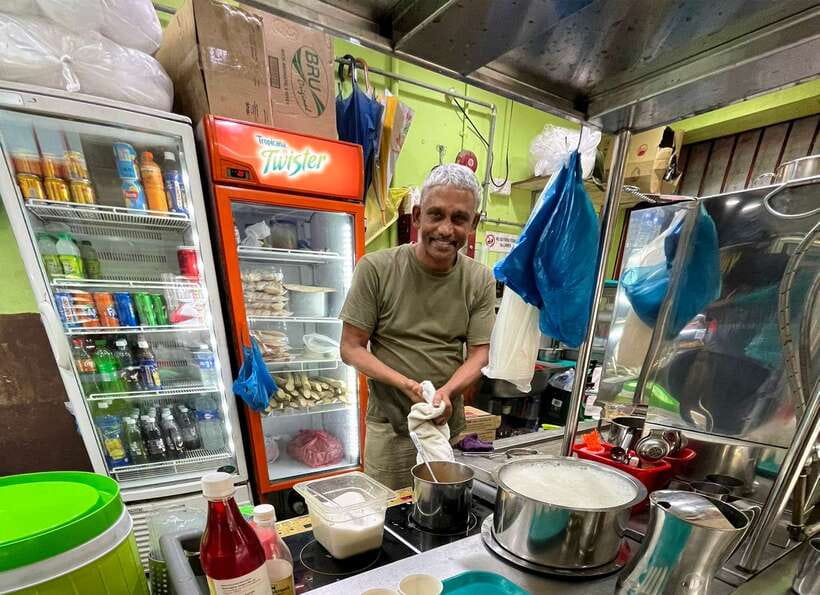
- Food with local context: Your guide explains Singaporean history, daily life, street art, and hawker culture as you walk.
- A lively Sunday option: Sunday can bring large crowds of Indian and Bangladeshi workers enjoying their only day off, adding a very local feel.
- Three hours with an English-speaking guide: The pace allows time to eat, ask questions, and move between stops without turning the outing into a rushed snack run.
- Good booking flexibility: You can cancel up to 24 hours before the tour for a full refund and reserve now while paying later.
Why Little India is such a good food setting
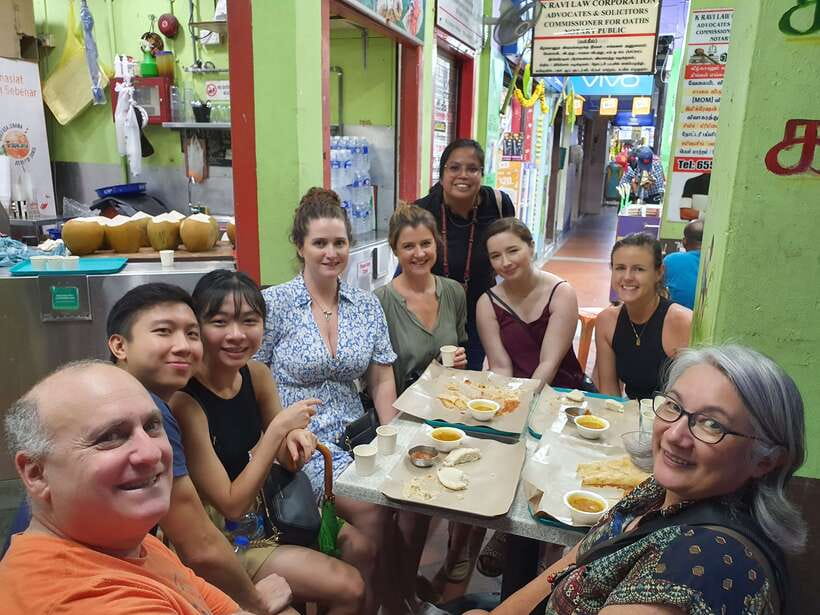
Little India is one of Singapore’s most rewarding districts for a food walk because Indian cooking here is not presented as a single style. South Indian dishes, North Indian dishes, Indian Muslim influences, and Singapore-specific snacks all share the same neighborhood.
That matters on a short tour. Instead of spending three hours eating versions of one dish, you get a quick lesson in how different cooking traditions fit into Singapore’s food culture. The food is the main event, but the setting helps you understand why hawker centres matter so much to the city.
The tour also takes you away from the idea that Singapore food is best found only at famous restaurants. Michelin recognition can point you toward a good stall, but it does not explain how the food fits into ordinary life. Here, you get the plates, the people, and the surroundings together.
Meet at Little India MRT Exit C. From there, the route leads into the district’s food scene. The exact order of stops can vary, and the tour may be rescheduled if fewer than two people book, but the three-hour format remains clear.
More of Little India to explore:
- Chinatown, Little India, Kampong Gelam City Highlights Tour
★ 5.0 · 224 reviews - Singapore: Chinatown, Little India, Arab Street Walking Tour
★ 4.9 · 207 reviews - Singapore: Chinatown and Little India Guided Walking Tour
★ 4.8 · 190 reviews
Indian rojak, where the meal starts with contrast
Indian rojak is a fitting early stop because it introduces the tour’s love of contrast. The name can cause confusion, since different Southeast Asian communities use rojak to describe different mixed dishes. In Little India, the Indian version gives you a chance to try a snack built around varied textures and strong sauce.
You might find crisp and soft elements together, with sweet, savory, spicy, and tangy notes competing in the same bite. This is not a timid introduction to Indian food. It asks you to pay attention to texture and balance, which is exactly what a guide can help you notice.
I appreciate stops like this because they give you more than a famous curry and some rice. A dish such as Indian rojak makes the tour feel tied to the neighborhood rather than assembled from the most familiar items on a menu.
Thosai brings South Indian technique to the table
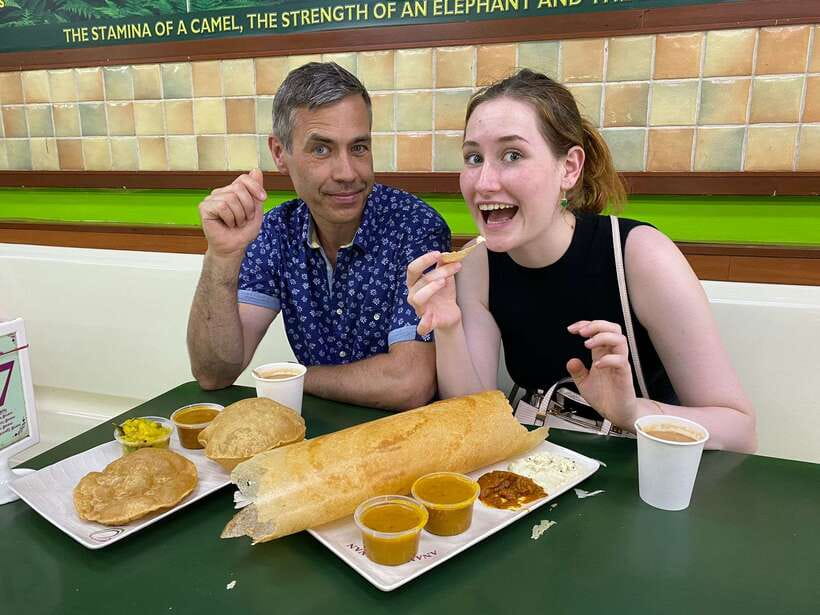
Thosai, also called dosa in many Indian restaurants, is one of the tour’s clearest examples of South Indian cooking. It is a thin, fermented rice and lentil pancake, and its appeal comes from the contrast between a crisp edge and a softer centre.
The supplied tour details call it a sight to the culinary arts of South Indian cuisine, and that is a fair way to view it. Thosai is not just a vehicle for chutney. Its batter, heat, timing, and texture all matter. Your guide can point out what makes a good one while you eat it fresh.
This stop should appeal to anyone who likes food with a bit of technique behind it. It also gives the itinerary a useful change of pace if another tasting is saucier or heavier. Since you are eating several dishes in one sitting, those differences help keep the meal from feeling repetitive.
Pani puri adds a street-food jolt
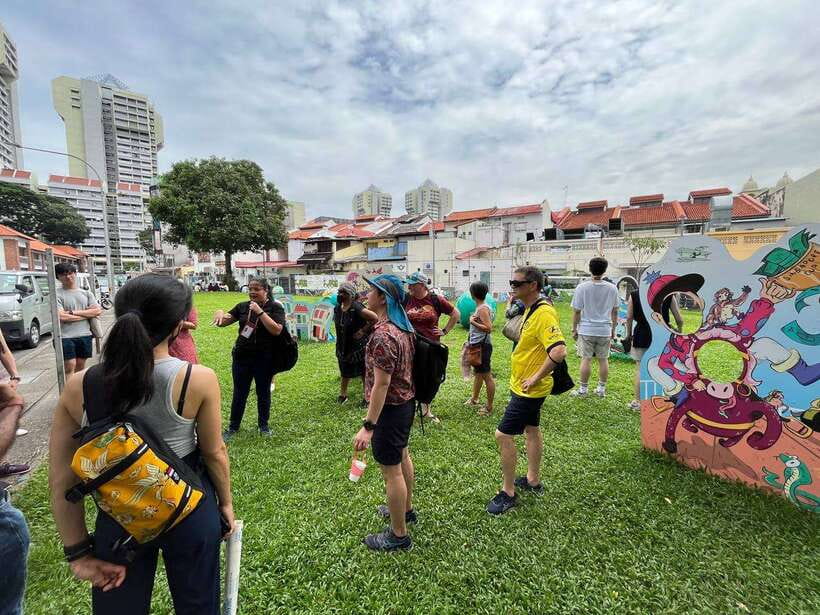
Pani puri is a street-food staple, and it brings a playful moment to the route. The small filled shell is typically eaten in one bite, with the liquid filling making the experience as much about timing as flavor.
This is the sort of food that can be awkward when you first meet it alone. A guide makes the process easier by showing you how to approach it and explaining what you are tasting. The dish also shows why hawker food is not simply cheap restaurant food. It can be quick, social, messy, and highly specific all at once.
Pani puri gives the tour some energy, but you should not expect every stop to be a light snack. Eight tastings can add up, particularly when dishes include bread, rice, fried items, or rich sauces. Arrive hungry, but do not arrive so hungry that you rush the first few plates.
More hawker centres and street food walks:
- Small Group: Michelin and Local Hawker Food Tour with 9 tastings
★ 5.0 · 1,890 reviews - Small Group: Singapore Street Food & Night Tour with 9 tastings
★ 5.0 · 1,240 reviews - The Award-Winning PRIVATE Food Tour: 10 Tastings of 3 Cultures
★ 4.5 · 1,017 reviews - Singapore: Chinese, Indian & Arabic Quarters, Culture & Food Tour
★ 5.0 · 789 reviews
North Indian food changes the rhythm
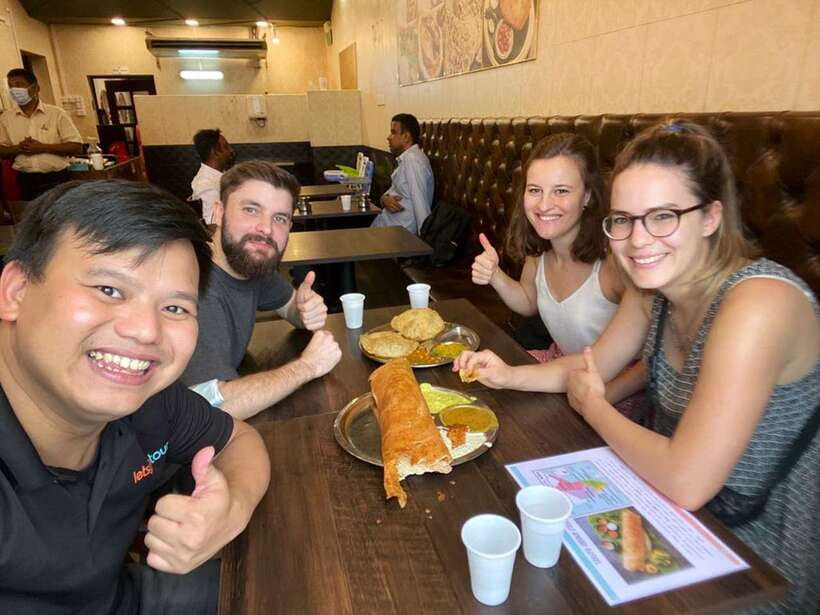
The itinerary also includes a Singapore edition of North Indian cuisine. The exact dish is not specified, so you should think of this as a regional contrast rather than a promised single specialty.
That contrast is important. South Indian food is often associated with dishes such as thosai, while North Indian cooking brings a different set of breads, gravies, spices, and preparation styles. Trying both within one neighborhood shows you how broadly Indian food is represented in Singapore.
I like this part of the tour because it prevents Little India from being reduced to one food category. You are not just eating a standard set menu. You are seeing how several Indian food traditions have made a home in Singapore and how local hawker culture gives them a shared setting.
Hawker centres are part of the lesson
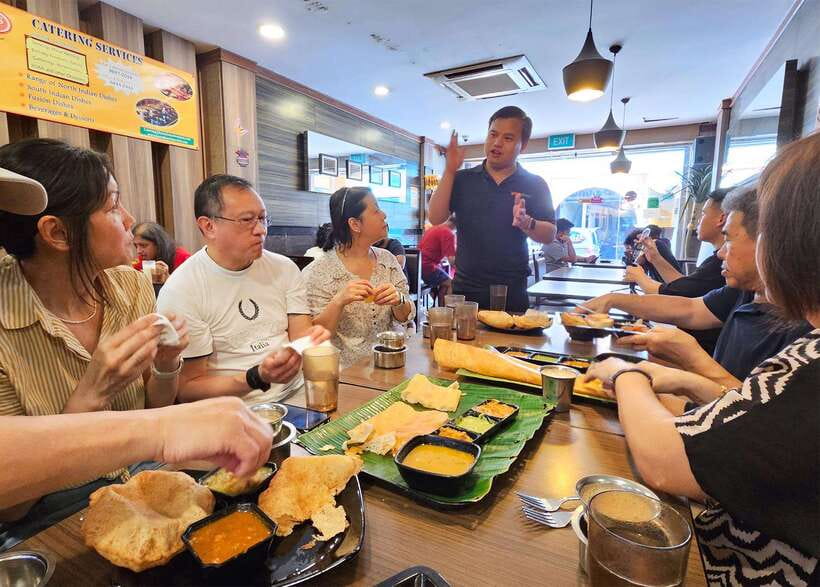
The tour’s value comes partly from where you eat. Hawker centres are not merely food courts for visitors. They are an important part of daily life in Singapore, where many people rely on stalls for affordable meals and familiar dishes.
The guide helps you read the place. You can ask how stalls work, how locals choose what to eat, and how the food scene fits into the city. The information is especially useful if this is your first visit to Singapore, since a hawker centre can seem confusing when you do not know which queues, counters, or dishes deserve your attention.
The route also uses lesser-known alleys. That does not mean every corner is a secret spot, but it does mean the walk is not limited to the most obvious tourist path. You get a closer look at how the neighborhood connects its eating places, religious life, shops, workers, and public spaces.
Street art and local history keep the walk moving
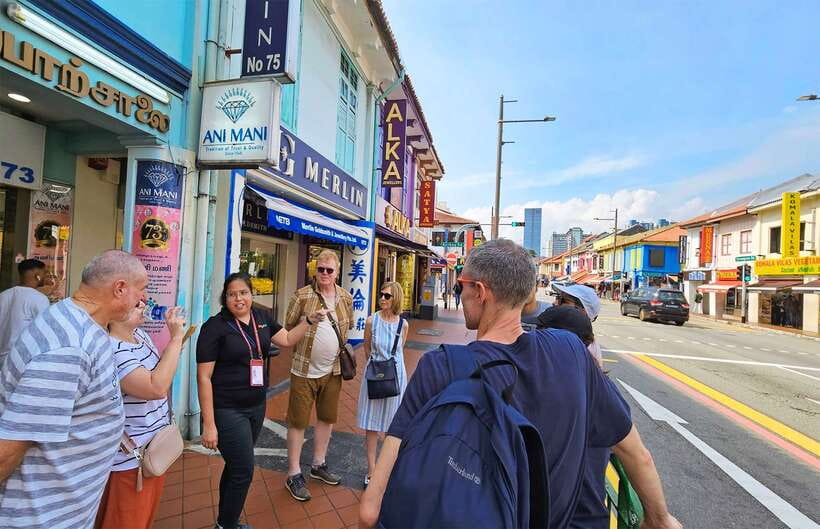
A food tour can become tiring when every stop means standing around waiting for another plate. This one adds local history and street-art stops, which gives your appetite a break and adds shape to the walk.
Those pauses also help explain Little India as a lived-in district rather than a backdrop for food photographs. The guide can connect what you see in the streets with Singapore’s wider story and with the people who use the area each day.
The strongest guide feedback centers on this balance of facts and conversation. Kyanta Yap is singled out for exceptional guiding, while Corliss is described as warm, responsive, and ready to answer questions. Another booking with Yap praised the way he explained local history and how things work in Singapore.
That is useful information when choosing this tour. You are not simply paying for someone to lead you from one stall to the next. The guide’s personality and ability to explain the district are a major part of the experience.
Sunday can feel especially local
If you book on a Sunday, expect a different atmosphere. Sunday is the only day off for many Indian and Bangladeshi laborers in Singapore, and Little India can become very crowded with people spending the day in the streets.
That crowd can make walking slower and food stops less calm. If you prefer a quiet introduction to the district, Sunday may not be your ideal time. If you want to see the area when it is being used as a social space by local workers, it can be a powerful part of the experience.
This is one reason I would not treat the busiest day as a flaw. The crowds are not created for the tour. They are part of the neighborhood’s weekly rhythm. You should simply prepare for a more packed street scene and keep your expectations realistic about moving quickly.
What the $86 price really buys you
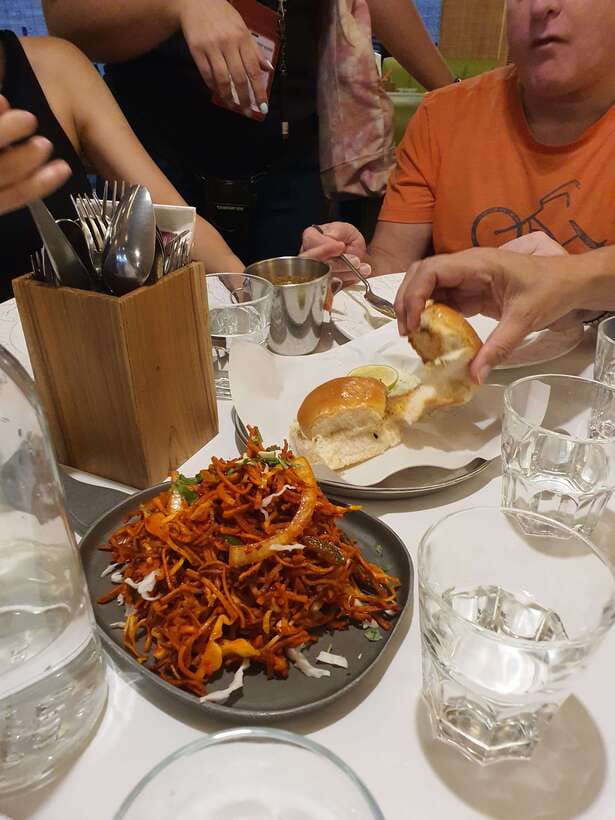
At $86 per person, this is not the cheapest way to eat in Little India. You could buy several individual dishes for much less if you already know where to go and what to order.
The price becomes easier to justify if you value guidance. You are paying for eight food and drink tastings, an English-speaking licensed guide, route planning, local background, and the confidence to order dishes you might otherwise skip. You also avoid spending part of your visit guessing which stall to choose.
The value is strongest for a first visit, especially if you want food to introduce you to the neighborhood. It is weaker for experienced Singapore diners who already know the hawker system or who mainly want a large, independent meal.
There is also a small point to watch. The advertised format is eight tastings, but one booking recorded six different dishes, including two Michelin-starred hawker venues. That may reflect the day’s route or a different interpretation of the tasting count, but you should be comfortable with some variation rather than treating the number as a guarantee of eight full portions.
Who will get the most from this tour
I would recommend this outing to you if you want a guided introduction to Indian food in Singapore and prefer small tastings over one large restaurant meal. It is a strong choice for first-time visitors who want help with ordering and a little neighborhood history along with lunch or an afternoon meal.
It also suits curious eaters who have never visited India. One booking described Little India as a safe way to get a glimpse of Indian culture without leaving Singapore. That is a useful way to think about the experience, as long as you remember that Singapore’s Indian community and food culture are their own thing, not a substitute for visiting India.
The tour may be less suitable if you need a broad survey of all Singaporean cuisine. The focus is firmly on Indian food, and the listed dishes do not promise Chinese, Malay, or Peranakan specialties.
You should also consider the group requirement. The tour may be rescheduled if fewer than two people book. On the other hand, a small booking can work in your favor. Some departures have operated as private tours, allowing the guide to adjust the conversation and respond closely to your questions.
Practical advice before you meet at Exit C
Wear comfortable shoes and arrive ready to walk between food stops. The experience lasts three hours, and the route includes hawker centres, alleys, and street-art or history stops rather than keeping you seated in one place.
Eat lightly beforehand. Eight tastings can be substantial, and the purpose of the tour is to try many dishes rather than save room for a separate meal at the end.
Tell your guide about your preferences and questions early. The food list includes dishes with different textures and spice levels, and a good conversation can help you understand what you are eating instead of simply working through a checklist.
English is the tour language. The meeting point is Little India MRT Exit C, and starting times vary, so check the available departure when booking.
Cancellation is flexible up to 24 hours before the tour, with a full refund, and you can reserve now while paying later. Those terms are useful if your Singapore plans are still moving around.
Should you book the Little India Hawker Street Food Tour?
Book it if you want an informed, food-focused walk through Little India, especially if you are new to Singapore or unsure how to approach hawker stalls. The strongest reasons are the regional range within Indian cuisine, the chance to try dishes such as rojak, thosai, and pani puri, and the guide-led explanation of local life.
I would be more cautious if your main goal is maximum food quantity, a guaranteed list of eight separate dishes, or a broad tour of every Singaporean cuisine. The $86 cost makes sense when you value access, explanation, and a planned route more than low-cost eating.
For most first-time visitors who want food and place to make sense together, this is a worthwhile three-hour introduction. Go hungry, expect the route to vary a little, and consider Sunday if you want to see Little India at its most social.
FAQ
Where does the Little India Hawker Street Food Tour meet?
The meeting point is Little India MRT Exit C.
How long does the tour last?
The tour lasts three hours.
How much does the tour cost?
The listed price is $86 per person.
What food is included?
The tour includes eight food and drink tastings. Examples include Indian rojak, thosai, pani puri, and North Indian cuisine.
Is a guide included?
Yes. A licensed, live English-speaking guide is included.
Which guides may lead the tour?
Guides associated with praised departures include Kyanta Yap, Yap, and Corliss. The specific guide for your booking may vary.
Can the tour be cancelled for a refund?
Yes. You can cancel up to 24 hours in advance for a full refund.
What happens if fewer than two people book?
The tour may be rescheduled if the minimum requirement of two people is not met.
Just added around Singapore
- Skyline Luge and Sky Ride Ticket Sentosa Singapore★ 3.5 · 3 reviews
- Marina Bay Sands SkyPark Observation Deck ticket in Singapore★ 4.0 · 3 reviews
- Singapore Private Full-Day Sightseeing Tour★ 5.0 · 3 reviews
- Singapore: Food and Bike Tour – Downtown★ 4.6 · 3 reviews
- Singapore: Chinatown Street Food Tour★ 5.0 · 3 reviews
- Learn to cook authentic Peranakan food with local market tour★ 3.5 · 3 reviews
- Singapore Brompton Bike Tour from Rail Corridor, with food!★ 5.0 · 3 reviews
- Guided Walking Tour to the Historical Attractions in Farrer Park★ 5.0 · 3 reviews
Little India Tours, compared.
Chinatown, Little India, Kampong Gelam City Highlights Tour
Read our review →Chinatown, Little India, Arab Street Walking Tour
Read our review →
Kampong Glam, Little India & Chinatown with Local Street Food Tastings
Read our review →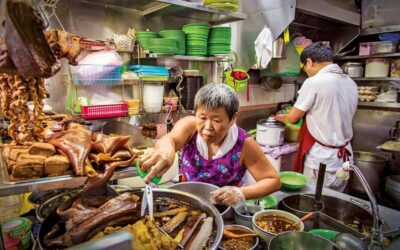
Tasting Trails: Chinatown OR with Kampong Glam, Little India
Read our review →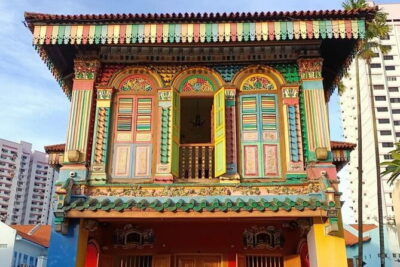
5 hours Little India, Kampong Glam, Chinatown with 9 Food Tasting
Read our review →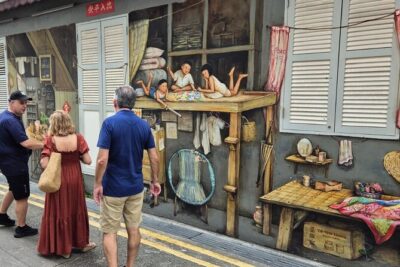
4-hour Chinatown, Little India, and Arab Street Walking Tour
Read our review →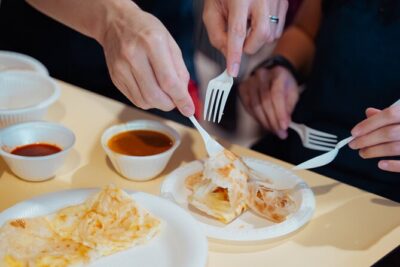
Private Singapore Food Tour in Chinatown and Little India
Read our review →Browse the lists this tour appears in