
Reviewed · CHINATOWN TOURS
Singapore: Chinatown Street Food Tour
Singapore’s Chinatown is best understood with your appetite switched on. This three-hour morning tour links food stalls, market halls, old lanes, and major sights, with eight local dishes along the way, including Hainanese chicken rice, traditional coffee, spring rolls, and fried carrot cake.
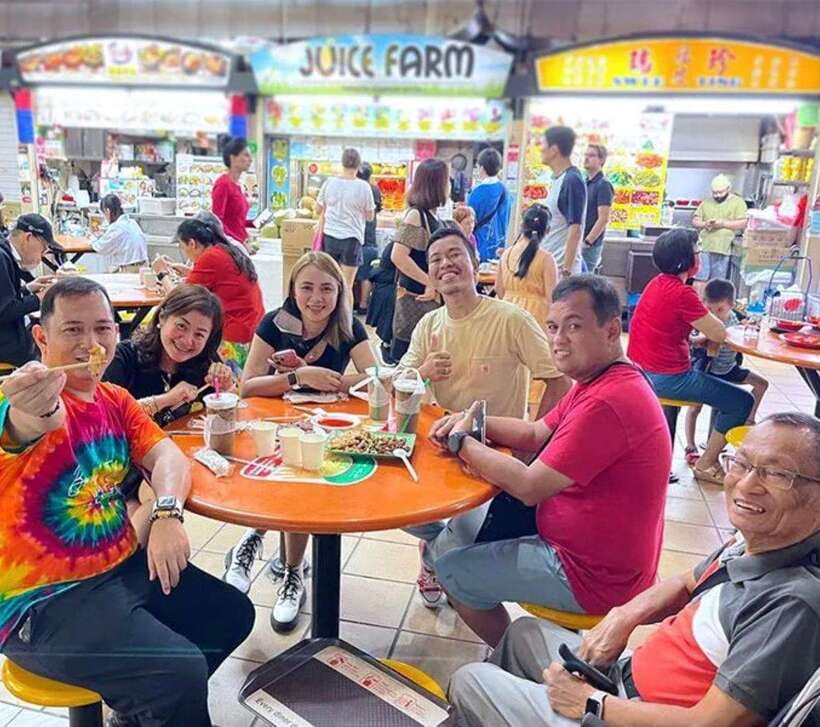
I like the mix of food and place. You do not simply sit down for one meal, you walk through Chinatown and hear how Singapore’s food and culture fit together. I also like the personal touch from guides such as Richard and Liang, who bring food, history, and local customs into the same conversation.
The main drawback is practical: the tour is not suitable for wheelchair users or people with food allergies, and the food can change with availability. It also starts promptly between 9 AM and noon, with no extension or refund for late arrivals.
In This Review
- Key points at a glance
- Why this Chinatown food walk works
- Meeting at the Chinatown Visitor Centre
- Chinatown Heritage Centre and the first stories
- Walking through Chinatown’s lanes and shopping areas
- Maxwell Food Centre and the first major tastings
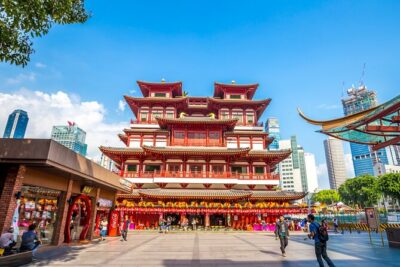
- Buddha Tooth Relic Temple as a cultural pause
- Chinatown Street Market and the small bites
- Chinatown Complex and the final food stop
- What Richard and Liang add to the morning
- The price and what you receive for $118
- Who should book this tour
- Useful planning details before you book
- Should you book the Chinatown food tour?
- FAQ
- Where does the Singapore Chinatown food tour start?
- How long does the tour last?
- What food is included?
- Is transportation included?
- Is the tour suitable for people with food allergies or wheelchair users?
- What happens if I arrive late?
Key points at a glance
- Eight Singaporean dishes: Expect Hainanese chicken rice, local coffee, spring rolls, fried carrot cake, and other local specialties.
- Chinatown on foot: The route connects the Chinatown Visitor Centre, heritage sights, food centres, markets, and temple grounds.
- Two strong guide names: Richard and Liang are noted for explaining both the food and the wider story of Singapore.
- Morning schedule: The tour operates daily from 9 AM to 12 PM, making it a useful first activity in Chinatown.
- Licensed English-speaking guide: You get context at each stop instead of simply being pointed toward a food stall.
- Plan for heat and rain: Comfortable shoes, water, sunscreen, and a poncho or umbrella will make the walk easier.
Why this Chinatown food walk works
Singapore has no shortage of places to eat, but a first visit can leave you staring at a menu full of unfamiliar names. This tour gives you a guided route through Chinatown and removes much of the guesswork.
The food is the main reason to book. You sample eight dishes rather than committing to one large meal, so you get a broad first taste of Singaporean cooking. The walking matters too. Between food stops, your guide adds stories about Chinatown, Singapore, and the people who shaped the area.
I especially like this format for a first morning in the city. You get an introduction to local food, a look at several important Chinatown sights, and a useful sense of where to return later. The experience is active, but not built around a long hike. Each listed part of the route is planned in roughly 30-minute sections.
The schedule is described as three hours, while the full guided format may run from three to four hours. Either way, set aside your morning rather than trying to squeeze in a second appointment immediately afterward.
More walks through Chinatown:
- Chinatown, Little India, Kampong Gelam City Highlights Tour
★ 5.0 · 224 reviews - Singapore: Chinatown Hawker Market Food Tour with 7 Food Tastings
★ 5.0 · 213 reviews - Singapore: Chinatown, Little India, Arab Street Walking Tour
★ 4.9 · 207 reviews
Meeting at the Chinatown Visitor Centre
You begin at the Chinatown Visitor Centre, near Chinatown MRT Exit A. This is a sensible meeting place because it is easy to reach by public transport and puts you close to the first heritage stops.
Arrive early. The tour starts on time, and late arrivals do not receive extra time or a refund. That rule matters more here than on a casual market visit because the group moves through several food stops and cannot wait indefinitely at each one.
Wear shoes you can walk in for several hours. Bring water and sunscreen, and pack a poncho or umbrella. Singapore’s weather can change quickly, and the tour continues through outdoor streets and market areas.
Chinatown Heritage Centre and the first stories
The Chinatown Heritage Centre is one of the opening stops, with about 30 minutes set aside for a visit, guided explanation, sightseeing, and walking nearby. This gives the food tour a useful sense of place before you start eating in earnest.
The centre helps frame Chinatown as more than a collection of restaurants and souvenir shops. Your guide can connect the buildings and streets to the people who lived and worked here, then carry those stories into the food stops.
Do not expect a long museum visit. The schedule keeps moving, so this is a focused introduction rather than a full afternoon spent inside an exhibition. If you want to study every display at length, return on your own another day.
Walking through Chinatown’s lanes and shopping areas
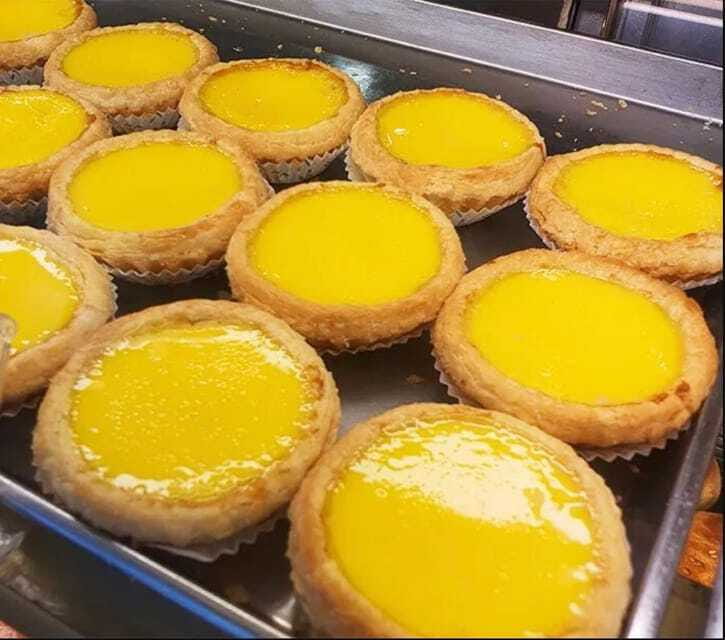
The route then moves through Chinatown itself, including famous shopping areas and quieter alleys. This part is useful because it shows you the contrast between the well-known streets and the less obvious corners where local food businesses operate.
Your guide is the key to this section. Without context, a walk through Chinatown can become a string of storefronts. With a licensed English-speaking guide, you can ask what you are seeing and connect the streets to the dishes you are about to try.
The pace should suit people who enjoy stopping, listening, and tasting. It is less suited to anyone who wants to rush from one landmark to the next. The tour’s strength is the combination of short walks and food breaks.
More hawker centres and street food walks:
- Small Group: Michelin and Local Hawker Food Tour with 9 tastings
★ 5.0 · 1,890 reviews - Small Group: Singapore Street Food & Night Tour with 9 tastings
★ 5.0 · 1,240 reviews - The Award-Winning PRIVATE Food Tour: 10 Tastings of 3 Cultures
★ 4.5 · 1,017 reviews - Singapore: Chinese, Indian & Arabic Quarters, Culture & Food Tour
★ 5.0 · 789 reviews
Maxwell Food Centre and the first major tastings
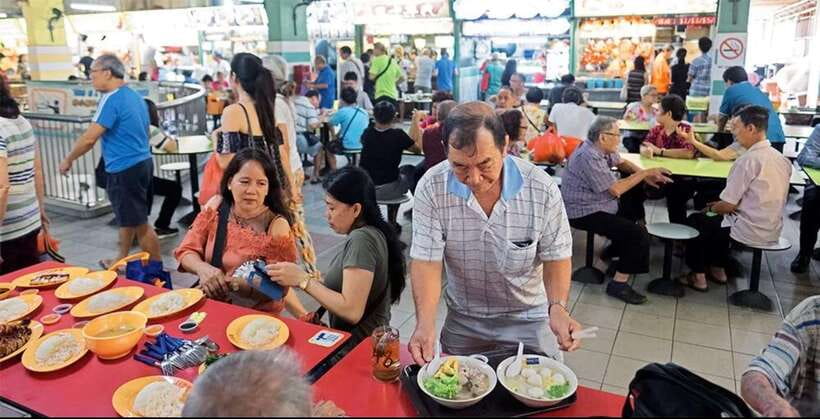
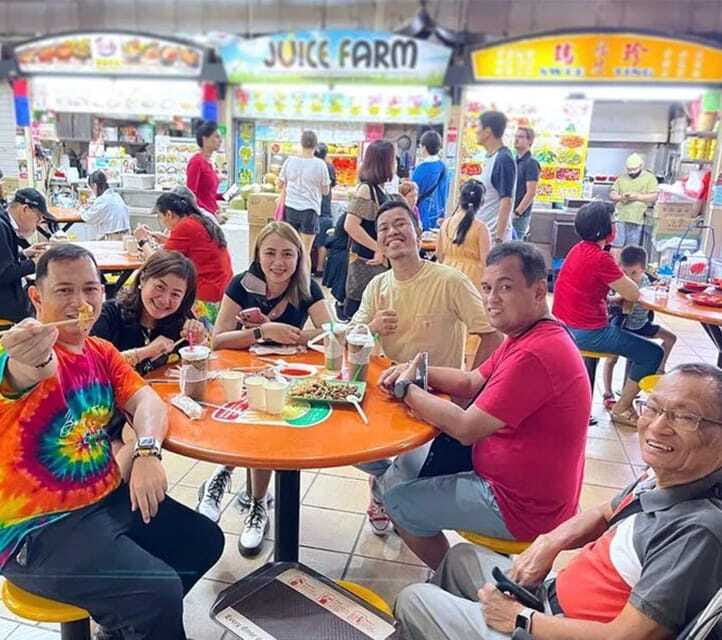
Maxwell Food Centre is listed as a breakfast and tasting stop, with around 30 minutes for a guided visit. This is one of the most important food moments on the route because hawker centres are central to Singapore’s everyday eating culture.
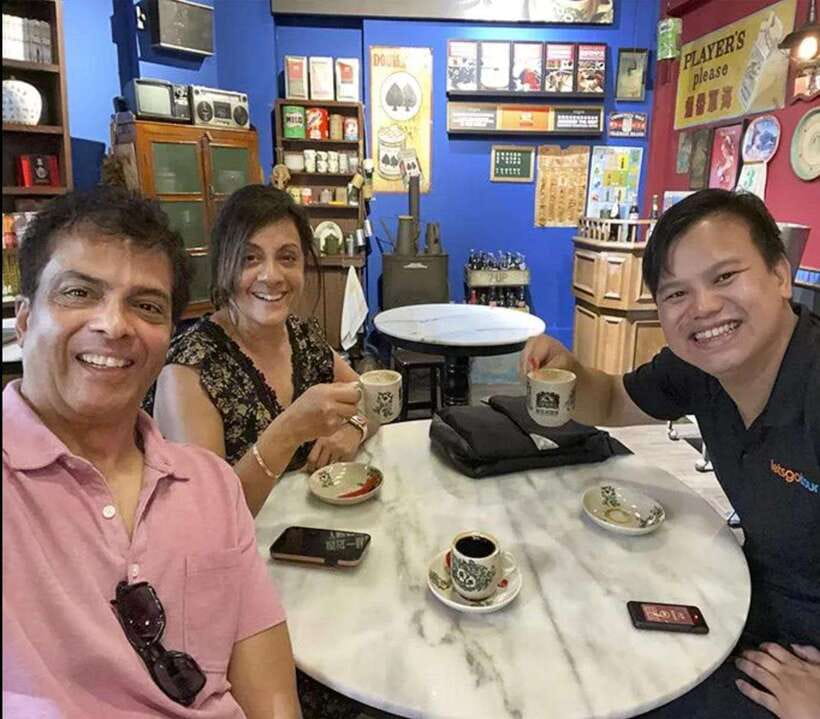
Here you can expect to try some of the tour’s featured dishes, including Hainanese chicken rice and traditional Singaporean coffee. The chicken rice is a particularly useful introduction to the country’s food style: simple-looking, familiar in its main ingredients, but dependent on preparation, seasoning, and texture.
The coffee offers a different lesson. Local coffee is not simply a standard cup served in a different building. It is part of Singapore’s food culture, and tasting it alongside savory dishes gives you a better feel for how people eat and drink during the day.
Thirty minutes is enough for a tasting session, but it is not a leisurely personal breakfast. You should arrive hungry, yet understand that the portions and timing are designed to leave room for several more dishes.
Buddha Tooth Relic Temple as a cultural pause
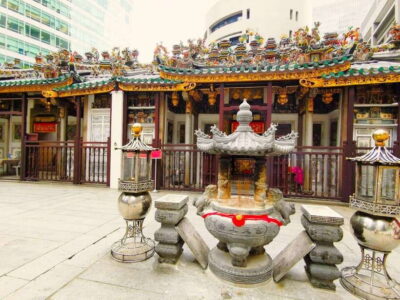
After food, the route visits the Buddha Tooth Relic Temple. This creates a welcome pause between tastings and gives the morning more shape than a straight run from one stall to another.
You will have time for a guided visit and sightseeing, with walking around the temple area. The stop also helps explain why Chinatown is such an important cultural district. Food, religious buildings, commerce, and everyday street life sit close together here.
Dress and behave respectfully at the temple. The supplied information does not specify a dress code, so the safest approach is modest clothing and a quiet manner. Keep in mind that the tour schedule allows about 30 minutes, so this is a concise visit rather than an extended religious or architectural study.
Chinatown Street Market and the small bites
The Chinatown Street Market brings you back into the commercial side of the district. You have time to walk, look around, and continue tasting street food with your guide.
This is where the tour can feel most informal. You may see souvenir stalls, food vendors, and busy pedestrian areas in one stretch. The guide helps sort the tourist-facing parts of the market from the food details that are easy to miss when you are exploring alone.
The food list includes juicy spring rolls and fried carrot cake, among the other local dishes. Fried carrot cake can confuse first-time visitors because it is not a sweet baked cake. The name refers to a savory hawker dish, and trying it with an explanation makes the experience more useful than simply ordering something at random.
The market is also a good place to ask questions. If you have enjoyed a particular flavor or texture, ask your guide what else to look for during the rest of your Singapore visit.
Chinatown Complex and the final food stop
The final listed stop is Chinatown Complex, where you walk through the food market and take more guided tastings. This brings the tour back to the everyday food scene and gives you another chance to see how Singapore’s hawker culture operates.
I like ending in a food market because you finish with practical knowledge. You have already tasted several dishes, watched how the stops fit into the neighborhood, and heard explanations from the guide. That makes it easier to return later without feeling lost.
The exact food items can change based on availability. This is worth accepting as part of the format. A street food tour should respond to what is being served, rather than promise one fixed plate at every stop. It also means you should not book solely because of one specific dish.
What Richard and Liang add to the morning
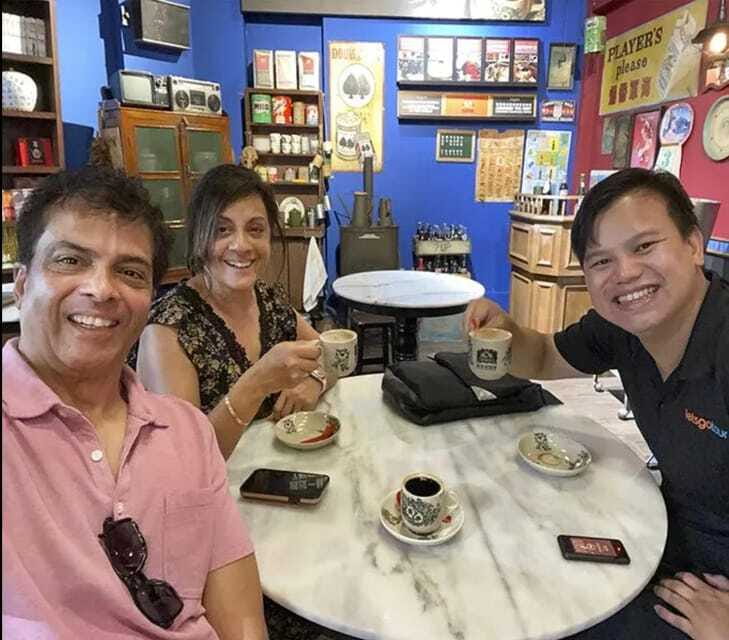
The guide can make or break a food tour, and the available feedback gives Richard and Liang particular credit for explaining more than the dishes. Richard is praised for connecting food with Singaporean history and culture, while Liang is noted for offering strong food choices and clear information.
That distinction matters. A guide who only identifies each snack gives you a tasting menu. A guide who explains why the dish matters gives you a better way to understand Singapore.
You should also feel free to ask questions during the walking sections. The tour is designed around guided sightseeing as well as eating, so the time between stalls is not dead time. It is when the guide can explain Chinatown’s streets, landmarks, and local traditions.
Guide assignments can change, so you should not assume Richard or Liang will lead your departure. Their names are useful signs of the level of personal explanation this tour aims to provide, not a guarantee of a specific guide.
The price and what you receive for $118
At $118 per person, this is not a bargain breakfast. You are paying for more than the cost of eight servings of food. The price covers a three to four-hour guided walk, a licensed English-speaking guide, sightseeing at several Chinatown locations, and eight local dishes.
The value depends on how you like to travel. If you are confident finding hawker centres, reading unfamiliar menus, and learning about the area on your own, you can spend less by exploring independently. If you want a structured introduction with food, culture, and a ready-made route, the price is easier to justify.
I would consider it good value for a first morning in Singapore, especially if you are traveling with limited time. You get a broad sample instead of gambling on one meal, and the guide can help you understand what you are eating.
The tour does not include transportation to the meeting point, personal expenses, or extra food and drinks. Plan your budget around the stated price and do not assume every drink or additional snack is covered.
Who should book this tour
This tour suits first-time visitors who want a friendly introduction to Singaporean food without spending hours planning a route. It also works well for people who enjoy walking, asking questions, and trying small portions of several dishes.
I would recommend it to couples, friends, and families with older children who are open to unfamiliar food. It can also be a good choice for solo visitors who prefer the company of a guide while exploring Chinatown.
You may want to skip it if you have serious food allergies. The tour specifically says it is not suitable for people with food allergies, and the dishes may change depending on availability. It is also not suitable for wheelchair users, so check your mobility needs carefully before booking.
Come hungry, but not starved. Eight tastings over a morning can be a lot, and you will enjoy the range more if you have not already eaten a full breakfast.
Useful planning details before you book
The tour operates daily from 9 AM to 12 PM. Starting in the morning is helpful in Singapore’s heat, though you should still bring water, sunscreen, and rain protection.
Alcohol, smoking, drugs, pets, and littering are not allowed. The meeting point is the Chinatown Visitor Centre by Chinatown MRT Exit A, and you should contact the operator if you become lost or cannot find the guide.
English is the tour language. The booking includes free cancellation up to 24 hours before departure, and you can reserve now and pay later. Those terms give you some flexibility, but they do not soften the strict late-arrival rule.
Should you book the Chinatown food tour?
Book it if you want eight Singaporean dishes, a guided Chinatown walk, and cultural context in one morning. The strongest reason is the blend of food and explanation, with guides such as Richard and Liang praised for making the meal stops part of a larger story about Singapore.
Skip it if you prefer to choose every dish yourself, need full control over ingredients, use a wheelchair, or want a slow restaurant breakfast. At $118, the tour asks you to pay for guidance and structure, not just food.
For most first-time visitors who have one free morning in Chinatown, I think the format makes sense. Arrive early, wear sensible shoes, carry water and rain protection, and keep your schedule open until noon or a little later.
FAQ
Where does the Singapore Chinatown food tour start?
The tour starts at the Chinatown Visitor Centre, near Chinatown MRT Exit A.
How long does the tour last?
The activity is described as three hours, while the included guided format is listed as three to four hours. The stated operating window is 9 AM to 12 PM.
What food is included?
You receive eight local Singaporean dishes. Listed examples include Hainanese chicken rice, traditional Singaporean coffee, spring rolls, and fried carrot cake. Food items can change based on availability.
Is transportation included?
No. Transportation to and from the Chinatown Visitor Centre is not included.
Is the tour suitable for people with food allergies or wheelchair users?
No. The activity is not suitable for people with food allergies or wheelchair users.
What happens if I arrive late?
The tour starts on time and will not be extended for late arrivals. There are no refunds for late arrivals or no-shows.
Just added around Singapore
- Skyline Luge and Sky Ride Ticket Sentosa Singapore★ 3.5 · 3 reviews
- Marina Bay Sands SkyPark Observation Deck ticket in Singapore★ 4.0 · 3 reviews
- Singapore Private Full-Day Sightseeing Tour★ 5.0 · 3 reviews
- Singapore: Food and Bike Tour – Downtown★ 4.6 · 3 reviews
- Learn to cook authentic Peranakan food with local market tour★ 3.5 · 3 reviews
- Singapore Brompton Bike Tour from Rail Corridor, with food!★ 5.0 · 3 reviews
- Guided Walking Tour to the Historical Attractions in Farrer Park★ 5.0 · 3 reviews
- Singapore: Bird Paradise★ 5.0 · 3 reviews
Chinatown Tours, compared.
Chinatown, Little India, Kampong Gelam City Highlights Tour
Read our review →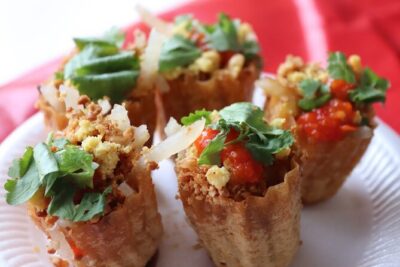
Chinatown Hawker Market Food Tour with 7 Food Tastings
Read our review →Chinatown, Little India, Arab Street Walking Tour
Read our review →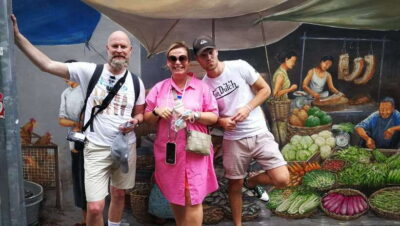
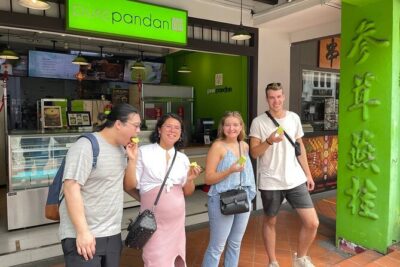
Kampong Glam, Little India & Chinatown with Local Street Food Tastings
Read our review →
Browse the lists this tour appears in