
Reviewed · PERANAKAN HERITAGE TOURS
Learn to cook authentic Peranakan food with local market tour
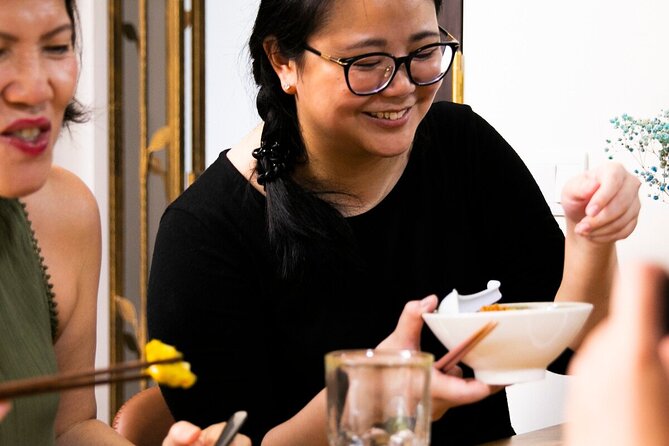
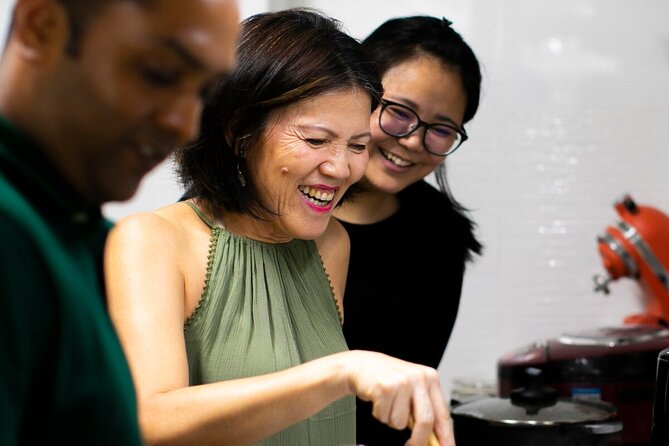
Peranakan cooking begins before you reach the stove. You first visit a local market near Singapore’s heartland, choose the ingredients, then return to cook dishes such as assam fishhead and ayam pongteh with a private chef. I like that the market visit gives the food a real setting, and I like the small maximum of six people, which leaves room for questions and hands-on work.
The class also includes the ingredients, cooking gear, apron, printed recipes, and the meal you prepare. The main catch is practical: the activity needs at least two people to operate, and one past booking had trouble after a schedule change and unclear location details. Confirm the time and meeting arrangements before setting out.
In This Review
- Key points to know
- From Chinatown MRT to the local market
- Why the market visit matters
- Cooking assam fishhead from scratch
- Preparing ayam pongteh with fermented soybean
- Chef Wei Qiang’s teaching style
- The home-style lunch at the end
- Six hours, a small group, and a morning schedule
- Is the $168.16 price good value?
- Who should book this Peranakan class?
- Booking details worth checking first
- Should you book it?
- FAQ
- Where does the cooking experience start?
- Where does the activity end?
- How long does the class last?
- What time does the experience operate?
- What dishes will I learn to cook?
- Is the market visit included?
- How many people can join?
- What is included in the price?
Key points to know
- Start at Chinatown MRT: Meet at DT19, 91 Upper Cross Street, then return there at the end.
- Shop before cooking: The market visit takes you into a local residential area rather than keeping you on the usual sightseeing route.
- Two Peranakan dishes: Learn assam fishhead and ayam pongteh, a chicken stew made with fermented soybean.
- Small private class: The maximum is six people, and chef Wei Qiang leads the hands-on session.
- Six hours in the morning: The stated operating window is 7:00 AM to 1:00 PM, so plan for an early start.
- Minimum of two people: Solo bookers need to arrange a second participant before relying on the reservation.
From Chinatown MRT to the local market
Your morning starts at Chinatown MRT Station, specifically DT19 at 91 Upper Cross Street. This is a useful meeting point because it is central and easy to reach by public transportation, but you should allow time to find the exact station exit and meeting spot.
From there, the experience moves away from the polished sightseeing circuit. You join the chef at a local market to buy the ingredients needed for the workshop. That change of setting matters. Instead of seeing Peranakan food only as a finished plate, you get to see the raw materials and learn about the herbs and spices that give the cuisine its character.
The market portion is also the part that gives this class its local feel. You are not simply shown a recipe in a studio kitchen. You are taken into an everyday Singapore neighborhood, where shopping for food is part of the cooking lesson.
The exact market and shopping route are not specified, so I would not expect a formal food tour with a fixed list of stalls or tastings. Think of it as a practical ingredient run tied directly to your lunch.
More Peranakan heritage to see:
- Singapore Food & Bike Tour – Katong
★ 5.0 · 289 reviews - Eat Snap Katong Walking Food Tour
★ 5.0 · 174 reviews - The Peranakan Mansion – Experience Singapore’s Unique Culture
★ 5.0 · 117 reviews
Why the market visit matters
Peranakan cuisine combines Chinese ingredients and cooking methods with Malaysian and Indonesian spices. That mix can be hard to understand from a recipe card alone. At the market, you can connect the ingredients to the finished dishes and ask the chef why each one is needed.
This is especially useful if you cook at home. A printed recipe tells you what to buy, but seeing the ingredients before preparation can make the instructions easier to follow later. You also get a better sense of how a home-style Peranakan meal begins, with shopping, preparation, and patient cooking rather than a quick restaurant order.
I like the way this part adds context without turning the morning into a lecture. The stated focus is on local herbs and spices, so you should expect the chef to explain how they shape the flavor. The class is a good fit if you want food culture tied to a real place, not just a cooking demonstration behind closed doors.
There is one limit. Since the itinerary does not identify the market or list the ingredients in advance, you cannot plan around specific produce or specialty stalls. If you have allergies, dietary restrictions, or ingredients you cannot eat, raise those points before booking.
Cooking assam fishhead from scratch
Back in the cooking setting, the class centers on two dishes. The first is assam fishhead, a dish built around sour and spicy flavors. The name signals the key ingredient and style, but the supplied details do not specify the type of fish, the exact spice paste, or the preparation method.
That missing detail is not necessarily a problem. It simply means the class description gives you the dish names rather than a full recipe preview. You will learn the actual method during the session, with the chef providing the ingredients and equipment.
The useful part is the hands-on format. You are not just watching Wei Qiang prepare the dish while standing at the edge of the kitchen. You prepare the food from scratch and eat it afterward, which gives you a chance to notice how the ingredients come together.
Fishhead dishes can be unfamiliar to some diners. If you enjoy trying traditional food and learning how a dish is made, that is part of the appeal. If you prefer boneless fish or mild flavors, ask about the preparation before confirming your place.
Preparing ayam pongteh with fermented soybean
The second featured dish is ayam pongteh, a chicken stew made with fermented soybean. This is a more immediately familiar format for many cooks: a home-style chicken dish with a savory base and slow-cooked character.
The fermented soybean is the detail to pay attention to. It gives the stew an important part of its flavor, and it is the sort of ingredient you may not think to use without guidance. Learning how it fits into the dish can make the printed recipe more useful when you try to recreate the meal later.
The class promises that both dishes are prepared from scratch. That means you should expect time spent on preparation, not just final assembly. Since the experience lasts about six hours and includes a market visit, the schedule allows room for the shopping and cooking process rather than rushing straight to lunch.
One account of the class described preparing three recipes, while the main description names two dishes. I would treat the two listed dishes as the reliable plan and ask Wei Qiang what is included on your chosen date if the number of recipes matters to you.
A few more Singapore days out worth weighing up
- Singapore Market to Table Culinary Experience (Wet Market Tour included)
★ 5.0 · 479 reviews - Singapore: Chinatown Hawker Market Food Tour with 7 Food Tastings
★ 5.0 · 213 reviews - Singapore Chinatown Market Private Food Tour with 7 Food Tastings
★ 5.0 · 19 reviews - Singapore: Market-to-Table Experience and Cooking Class
★ 5.0 · 17 reviews
Chef Wei Qiang’s teaching style
Chef Wei Qiang is identified as the cooking teacher for this experience. The available details describe a welcoming instructor who explains the food culture and history behind the dishes, offers a welcome drink, and makes sure participants understand what they are doing.
That is important in a small cooking class. A recipe can be copied from a book, but the value of a private lesson comes from being able to ask why a step matters, how an ingredient should look, or what to do if your mixture does not behave as expected.
The class is listed as private, with a maximum of six people. That is small enough to keep the session personal, though private does not necessarily mean you have the chef entirely to yourself if you book fewer than six places. If you want exclusive use of the class, confirm how the group arrangement works.
The teaching seems aimed at participation rather than performance. You get an apron, cooking equipment, and ingredients, so you do not need to pack kitchen supplies. The printed recipes are a useful final touch, especially if you want to make the dishes again after returning home.
The home-style lunch at the end
The reward for the morning’s work is lunch made from the dishes you have prepared. That meal gives the class a natural finish. You can taste the result while the steps are still fresh and compare the finished food with the ingredients you saw at the market.
It also makes the experience feel more complete than a short demonstration. You are not paying only to watch someone cook or sample a small bite. The meal is part of the activity, and the cooking process leads directly to it.
You should have plenty to photograph, from the market ingredients to the finished plates. The experience specifically allows time to share food and stories, so it suits people who enjoy a social meal as much as a technical lesson.
I would keep expectations grounded. The meal is based on the dishes prepared during the workshop, not a broad Peranakan tasting menu. If you want to sample many different specialties, a food tour or restaurant meal may be a better match.
Six hours, a small group, and a morning schedule
The activity lasts about six hours and operates from 7:00 AM to 1:00 PM, Monday through Sunday, according to the stated schedule. In practice, that gives you a full morning and reaches lunchtime, so do not book another major attraction immediately afterward.
The early start is worth noting. You will need breakfast or at least a plan for the morning, particularly if you are not used to Singapore’s early market hours. The cooking lunch comes later, not at the beginning.
A six-hour class is long enough for a market visit, explanations, preparation, cooking, and eating. It is not ideal if you want a quick two-hour activity between sightseeing stops. It is better suited to a day when you want food to be the main event.
The group cap of six helps protect the hands-on nature of the class. Still, the minimum of two people is just as important. If you are booking alone, do not assume the class will proceed without another participant. Confirmation is subject to availability and is stated to arrive within 48 hours of booking.
Is the $168.16 price good value?
At $168.16 per person, this is not a budget cooking lesson. The value depends on how much you want from the day.
You are paying for roughly six hours, a private-chef-led class, a market visit, ingredients, equipment, an apron, printed recipes, and the lunch you prepare. You also get a small group setting, with no more than six participants. Compared with a simple restaurant meal or short demonstration, the price is high. Compared with a full morning that combines a neighborhood visit and practical instruction, it is easier to justify.
I would book it if you want to understand Peranakan food and learn dishes you can attempt at home. The recipes and market context add lasting value. I would skip it if you mainly want to eat Peranakan food without spending much of your day cooking.
The price also makes clear communication important. Since there was a past problem involving a changed date and missing address details, confirm the final day, start time, and meeting instructions before the 24-hour cancellation window closes.
Who should book this Peranakan class?
I see this working best for:
- Couples, friends, or families who can meet the two-person minimum
- Home cooks who want printed recipes and practical instruction
- Food-focused visitors seeking a local neighborhood experience
- People curious about Chinese, Malaysian, and Indonesian culinary connections
- Small groups who prefer a private setting over a large demonstration
It may not suit you if you dislike fishhead, fermented soybean, strong spices, or long cooking sessions. It is also not the best choice for a tight itinerary, since the activity occupies most of the morning.
The class could be particularly useful for visitors who have already seen Singapore’s central sights and want a different side of the city. The market stop takes you into a local heartland setting, while the kitchen session gives that visit a clear purpose.
Booking details worth checking first
Your mobile ticket is accepted for the experience, and the activity ends back at the Chinatown MRT meeting point. Service animals are allowed, and the meeting point is near public transportation.
Free cancellation is available until 24 hours before the start time for a full refund. Changes or cancellations made inside that period are not accepted or refunded, based on the stated policy.
Because confirmation is subject to availability, I would check your email within 48 hours. If the operator changes the date, ask for the complete meeting details, not just the start time. That simple step can prevent the sort of confusion that can turn a promising food lesson into a missed appointment.
Should you book it?
Book this experience if you want a serious, hands-on introduction to Peranakan cooking rather than a quick tasting. The local market visit, small group, printed recipes, and lunch make the day feel purposeful, and chef Wei Qiang’s teaching adds the personal guidance that recipes alone cannot provide.
Think twice if you are traveling alone, have strict dietary needs, or want a flexible sightseeing stop. Confirm the two-person minimum, the exact time and address, and whether the session will include the two listed dishes or an additional recipe.
For food-minded visitors who can spare six morning hours, this offers a useful look at Singapore through its ingredients and home cooking. The price is substantial, but the combination of market, instruction, equipment, recipes, and meal gives you more than a standard cooking demonstration.
FAQ
Where does the cooking experience start?
It starts at Chinatown MRT Station, DT19, at 91 Upper Cross Street, Singapore 058362.
Where does the activity end?
The experience ends back at the Chinatown MRT meeting point.
How long does the class last?
The activity lasts approximately six hours.
What time does the experience operate?
The stated opening hours are Monday through Sunday from 7:00 AM to 1:00 PM.
What dishes will I learn to cook?
The main description includes assam fishhead and ayam pongteh, a chicken stew made with fermented soybean.
Is the market visit included?
Yes. You join the chef at a local market to purchase the ingredients needed for the workshop.
How many people can join?
The activity requires at least two people to start and accepts a maximum of six participants.
What is included in the price?
The experience includes the ingredients, cooking equipment, an apron, printed recipes, and the food prepared during the class.
More Shopping Tours in Singapore
- Private Market Visit and Cooking Class With A Professional Chef
★ 4.5 · 10 reviews
Just added around Singapore
- Skyline Luge and Sky Ride Ticket Sentosa Singapore★ 3.5 · 3 reviews
- Marina Bay Sands SkyPark Observation Deck ticket in Singapore★ 4.0 · 3 reviews
- Singapore Private Full-Day Sightseeing Tour★ 5.0 · 3 reviews
- Singapore: Food and Bike Tour – Downtown★ 4.6 · 3 reviews
- Singapore: Chinatown Street Food Tour★ 5.0 · 3 reviews
- Singapore Brompton Bike Tour from Rail Corridor, with food!★ 5.0 · 3 reviews
- Guided Walking Tour to the Historical Attractions in Farrer Park★ 5.0 · 3 reviews
- Private 2-day tour: Thailand, Malaysia & Indonesia (3 countries) from Singapore★ 4.5 · 3 reviews
Peranakan Heritage Tours, compared.
The Peranakan Mansion – Experience Singapore’s Unique Culture
Read our review →
Best Ever Katong Food Tour with Local Foodie – PRIVATE TOUR
Read our review →Browse the lists this tour appears in