
Reviewed · COOKING CLASSES
Singapore: Hands-on Cooking Class with Cultural Immersion
Singapore’s food culture makes more sense when you handle the spices, fold the pastry, and sit down to eat what you have made. This three-hour Chinatown cooking class moves from a relaxed cultural introduction to hands-on work in the kitchen, then ends with a full Singaporean meal.
I especially like the family recipes and the fixed menu by weekday. I also like the easy social setup: coffee, tea, nostalgic snacks, an ice-breaker game, and a shared meal give you plenty of chances to talk with the instructors and other cooks. The main consideration is the menu schedule, since you cannot simply choose any dish on any day. The studio is also on the second floor of a conservation shophouse with no lift.
In This Review
- Key points
- Starting beside Buddha Tooth Relic Temple
- Food culture before the cooking begins
- Three dishes, one fully equipped workstation
- Choose your menu by booking day
- The meal is part of the lesson
- Why the teaching makes a difference
- What to bring and what to expect
- Who will enjoy this Chinatown class
- Should you book it?
- FAQ
- How long does the Singapore cooking class last?
- Where is the cooking studio?
- What dishes will I cook?
- Are ingredients and cooking equipment included?
- Is the class suitable for people with limited mobility?
- Can I cancel or pay later?
Key points
- A different Singaporean menu each day: Nasi lemak on Monday, laksa on Wednesday and Sunday, and char kway teow on Friday.
- Three dishes become your lunch: You cook a main dish, a side or accompaniment, and a dessert.
- Local instructors lead the class: Past sessions have been taught by Sara, Helen, Annie, Nur, Cindy, YY, and Mrs Lee.
- Cultural stories come before the chopping: An ice-breaker introduces Singapore’s heritage, food customs, and everyday life.
- A practical souvenir: You learn recipes designed to be repeated at home, not just watched from the sidelines.
- Plan around the staircase: The level-two studio has no lift and is not suitable for people with limited mobility.
Starting beside Buddha Tooth Relic Temple
The cooking studio sits next to Buddha Tooth Relic Temple and Museum in Chinatown, a handy landmark in one of Singapore’s most useful visitor areas. As you approach, look for the orange sign with the local partner’s name. Hotel pickup is not included, so you make your own way there, but the clear landmark makes the meeting point easier to find.
Inside, you settle in with coffee or tea and a few nostalgic snacks. This opening is more than filler. It gives you time to meet the instructors, get comfortable with the other people in the class, and shift from sightseeing mode into a slower, more social morning.
The studio occupies the second floor of a conservation shophouse. There is no lift, so you need to manage stairs comfortably. That is the one practical limitation I would take seriously before booking.
More cooking classes to join:
- Experience Singapore: Cultural Cooking Class
★ 5.0 · 1,514 reviews - Singapore: Market-to-Table Experience and Cooking Class
★ 5.0 · 17 reviews - Private Market Visit and Cooking Class With A Professional Chef
★ 4.5 · 10 reviews
Food culture before the cooking begins
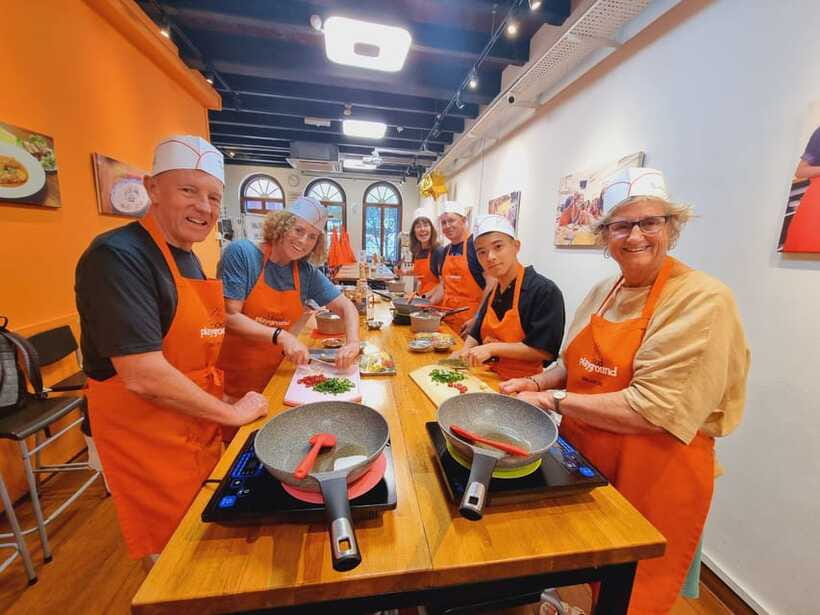
The class starts with a light ice-breaker game focused on Singaporean heritage, food, and culture. It is a useful way to set the scene before anyone reaches for a knife. You learn where the dishes come from, how they fit into local food traditions, and which ingredients give them their particular character.
The instructors also talk about local ingredients and the stories behind the recipes. The food here reflects Singapore’s Malay, Chinese, Indian, and Peranakan influences, and the weekly menus let you sample several of those traditions across different visits.
The cultural portion takes up part of the three hours, so this is not a class built around rushing straight into the kitchen. If you want only fast cooking instruction, the early discussion may feel long. I think it earns its place, especially because many dishes can look familiar on a menu while carrying a more complicated cultural story.
The instructors bring personal stories, too. The experience includes accounts of how they handled difficult life challenges, adding a human side that you will not get from a recipe card alone. Names vary by session, but instructors have included Sara, Helen, Annie, Nur, Cindy, YY, and Mrs Lee. The teaching style is consistently presented as friendly, patient, and willing to explain things at different skill levels.
Three dishes, one fully equipped workstation
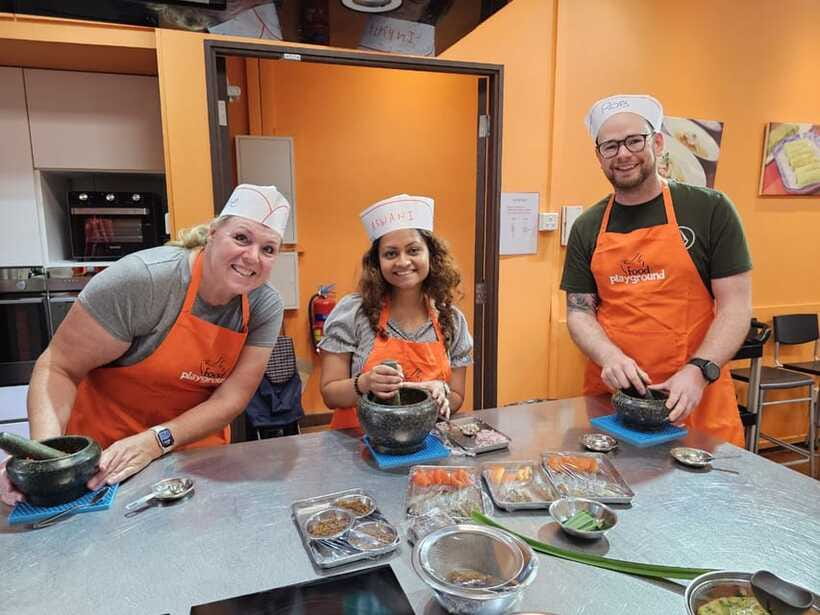
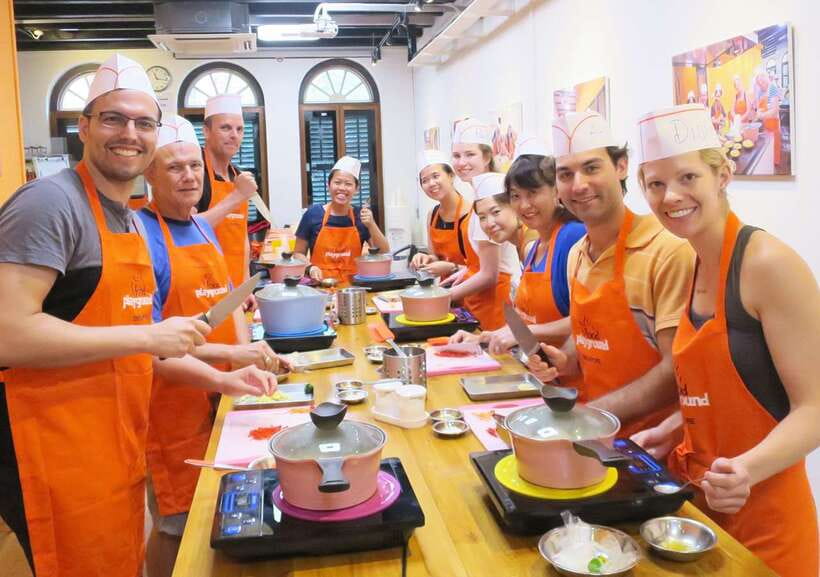
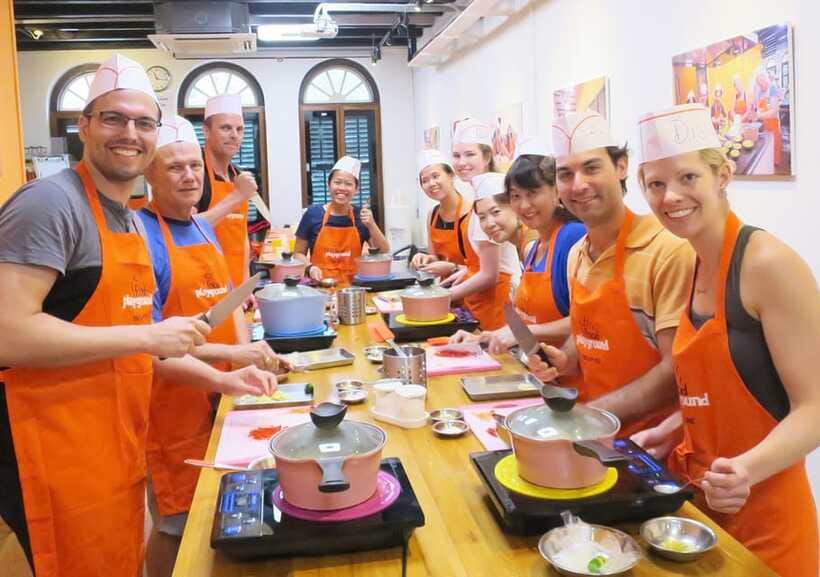
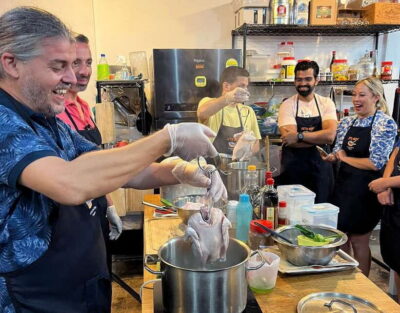
After the introduction, you put on an apron and chef hat and move to the kitchen. Each participant receives a fully equipped workstation, the ingredients needed for the menu, and close help from the instructors.
That hands-on format matters. You are not simply watching someone prepare a curry or dessert at the front of the room. You take part in the steps, ask questions as you go, and learn how the ingredients behave. Several dishes can seem complicated when you first see the finished version, but the instructors break them into manageable stages.
The class is designed so you can repeat the recipes at home. That makes the instruction more useful than a one-off demonstration. You learn preparation methods, ingredient combinations, and the general order of work, rather than just seeing a polished final plate appear.
You should still expect a group class, not private tuition. Instructors guide different skill levels at once, so some steps may move at a shared pace. The good news is that the teaching approach is patient, and the workstations are prepared before you begin. Cleanup is handled by the team, leaving you to focus on cooking and eating.
Choose your menu by booking day
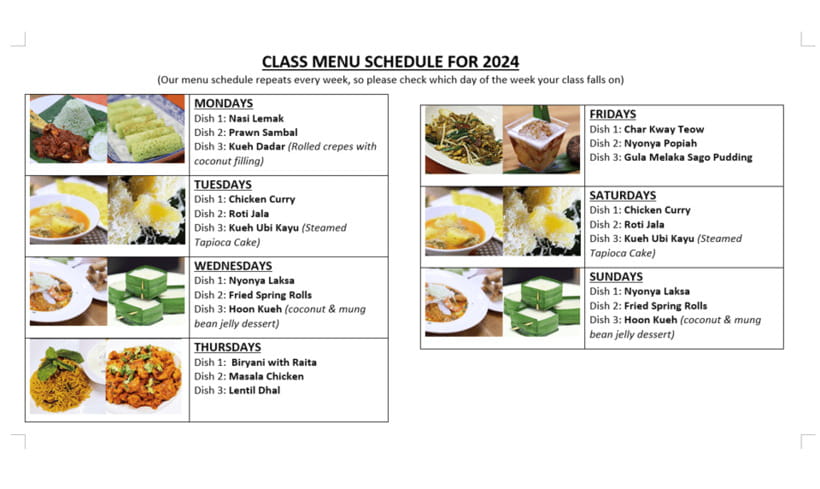
The weekday schedule is one of the most important details. Check the menu before you reserve, particularly if you have your heart set on laksa, nasi lemak, or char kway teow.
- Monday: Nasi lemak, sambal prawns, and kueh dadar
- Tuesday: Curry chicken, roti jala, and ondeh ondeh
- Wednesday: Laksa, fried spring rolls, and hoon kueh
- Thursday: Nasi biryani, masala chicken, and lentil dhal
- Friday: Char kway teow, Nyonya popiah, and sago gula Melaka
- Saturday: Curry chicken, roti jala, and ondeh ondeh
- Sunday: Laksa, fried spring rolls, and hoon kueh
This is a generous amount of food for a three-hour activity. You prepare a main dish plus supporting dishes and dessert, then eat the complete spread at the end. The menu also gives you a good sample of Singapore’s varied cooking traditions rather than narrowing the experience to one famous dish.
The fixed schedule is both a strength and a restriction. It keeps the class organized and lets the instructors prepare ingredients in advance, but it gives you less flexibility than a class with several menu choices. If you are visiting Singapore for only a few days, match the class day to the dish you most want to learn.
A few more Singapore days out worth weighing up
- Singapore Night Photography Workshop
★ 5.0 · 20 reviews - Singapore Photography Masterclass – Private Photography Lesson
★ 5.0 · 17 reviews - Singapore: Scent Crafting Workshop with Rainforest Orchids
★ 4.4 · 11 reviews - Pau Making Workshop With Dim Sum Tasting and Factory Tour
★ 5.0 · 6 reviews
The meal is part of the lesson
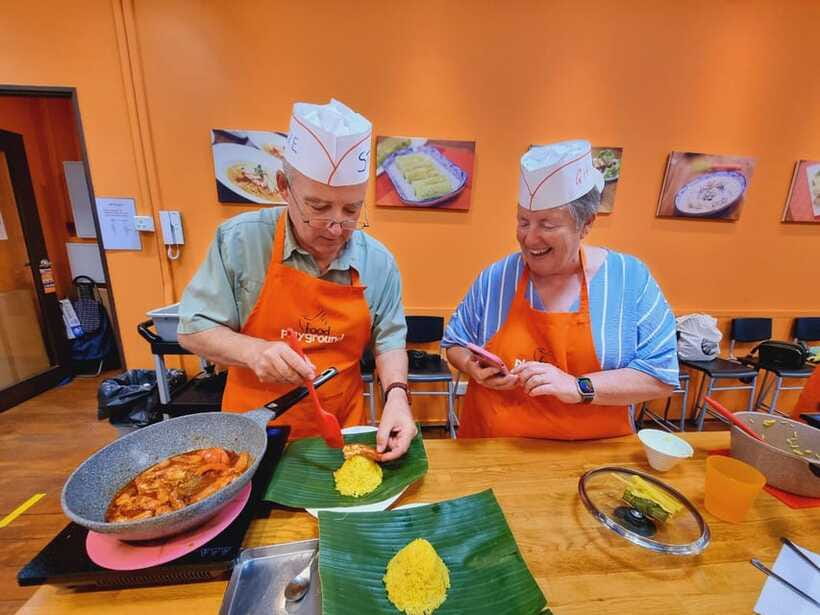
Once the cooking is finished, everyone sits down to eat. This shared meal is the payoff, but it also extends the cultural exchange. You can compare techniques, ask about other Singaporean dishes, and get suggestions for places to eat or things to do during the rest of your stay.
I like that the meal is made by the group rather than served as a separate restaurant course. The food may not have the polished uniformity of a professional kitchen, but that is part of the point. You see the work behind the dish, and the meal feels connected to the morning’s lessons.
The three-course spread also covers lunch, which makes the $94 price easier to assess. You are paying for ingredients, instruction, the cultural presentation, use of the kitchen, and a substantial meal. Coffee, tea, drinking water, and high-speed Wi-Fi are included as well.
At $94 per person, this is not Singapore’s cheapest way to eat lunch. It is good value if you want more than a meal and plan to use the recipes again. It is less compelling if your main goal is simply to taste local food at the lowest cost. Chinatown has plenty of inexpensive eating options, but none gives you this combination of instruction, personal stories, and participation.
Why the teaching makes a difference
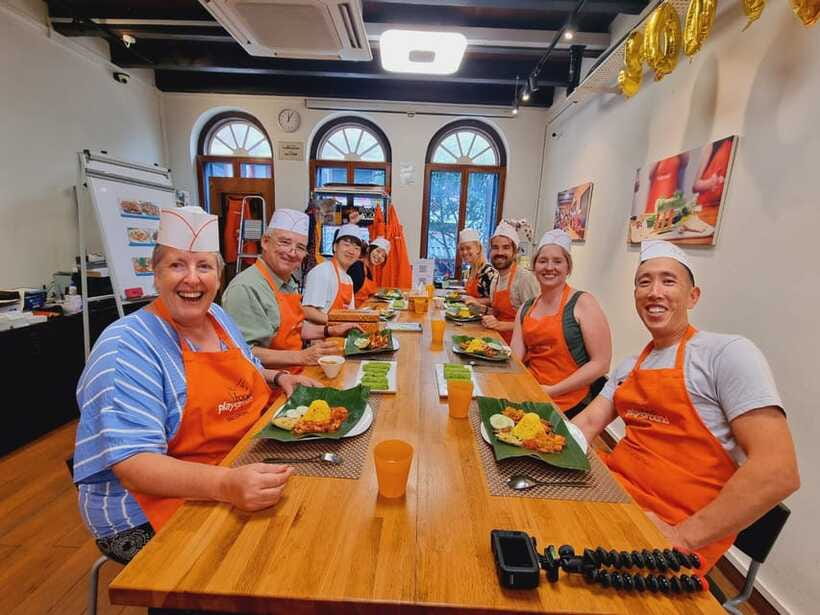
The strongest part of the experience is the human guidance. Instructors such as Sara, Helen, Annie, Nur, Cindy, YY, and Mrs Lee bring different personalities, but the common thread is close help and clear explanations.
You are encouraged to work at your own pace within the class structure. That suits beginners who may be unfamiliar with Singaporean ingredients or cooking methods. It also helps if you are nervous about making mistakes in front of a group. The instructors are there to show you what to do, not to test your professional kitchen skills.
The class also offers useful local advice beyond the day’s menu. Ask about where to eat, which dishes to try, and what else is worth doing in Singapore. These conversations can help you plan the rest of your visit, especially if this is your first time in the city.
One unusual feature is the wider social purpose attached to the organization. The class helps bring women who have been stay-at-home mothers back into the workforce. That gives your booking a practical connection to local livelihoods, while still keeping the focus on food and culture.
What to bring and what to expect
You do not need to bring cooking equipment or ingredients. Aprons and chef hats are supplied, as are coffee, tea, and water. Complimentary Wi-Fi is available, though this is an activity where your attention is better spent on the cooking and conversation.
Video recording is not allowed. That may disappoint you if you hoped to film every technique, so plan to take mental notes and use the recipes afterward. The restriction also keeps the class moving without everyone stopping to set up phones.
English is the teaching language. The activity lasts three hours, with starting times depending on the date you select. Free cancellation is available up to 24 hours in advance, and you can reserve now and pay later, useful if your Singapore plans are still shifting.
The class is not recommended for people with limited mobility because of the stairs to the second-floor studio. The supplied information specifically lists it as unsuitable for people with mobility impairments.
Who will enjoy this Chinatown class
I would recommend this experience to you if food is one of your main reasons for visiting Singapore, especially if you like learning by doing. It works well for couples, friends, solo visitors who enjoy meeting people, and families with participants who can manage the stairs and follow a three-hour class.
It is also a smart choice early in your stay. The meal gives you an introduction to several local flavors, while the instructors can point you toward other places and dishes for the days ahead.
You may want to choose another activity if you dislike group participation, prefer a short demonstration, or need a fully accessible venue. The cultural talk and social meal are central parts of the class, not optional extras.
Should you book it?
Book this class if you want to leave Singapore with more than a list of dishes you tasted. You will cook three local recipes, hear the stories behind them, share a meal, and gain enough practical instruction to try the food at home.
Before booking, check the day’s menu and be realistic about the staircase. If the schedule suits your appetite and you can reach the second floor comfortably, the $94 fee buys a well-rounded morning in Chinatown, with lunch included and plenty of useful local context.
FAQ
How long does the Singapore cooking class last?
The class lasts three hours. It includes the cultural introduction, hands-on cooking, and the shared meal at the end.
Where is the cooking studio?
The studio is next to Buddha Tooth Relic Temple and Museum in Chinatown. Look for an orange sign with the local partner’s name near the landmark.
What dishes will I cook?
The menu changes by day. Monday includes nasi lemak, sambal prawns, and kueh dadar. Wednesday and Sunday feature laksa, fried spring rolls, and hoon kueh. Friday includes char kway teow, Nyonya popiah, and sago gula Melaka. Other days focus on curry chicken, roti jala, ondeh ondeh, nasi biryani, masala chicken, and lentil dhal.
Are ingredients and cooking equipment included?
Yes. All ingredients required for the class and fully equipped cooking workstations are provided. Aprons and chef hats are also included.
Is the class suitable for people with limited mobility?
No. The studio is on level two of a conservation shophouse and has no lift access. The activity is not recommended for people with mobility impairments.
Can I cancel or pay later?
You can cancel up to 24 hours in advance for a full refund. A reserve-now, pay-later option is also available.
Just added around Singapore
- Skyline Luge and Sky Ride Ticket Sentosa Singapore★ 3.5 · 3 reviews
- Marina Bay Sands SkyPark Observation Deck ticket in Singapore★ 4.0 · 3 reviews
- Singapore Private Full-Day Sightseeing Tour★ 5.0 · 3 reviews
- Singapore: Food and Bike Tour – Downtown★ 4.6 · 3 reviews
- Singapore: Chinatown Street Food Tour★ 5.0 · 3 reviews
- Learn to cook authentic Peranakan food with local market tour★ 3.5 · 3 reviews
- Singapore Brompton Bike Tour from Rail Corridor, with food!★ 5.0 · 3 reviews
- Guided Walking Tour to the Historical Attractions in Farrer Park★ 5.0 · 3 reviews
Cooking Classes, compared.
Private Market Visit and Cooking Class With A Professional Chef
Read our review →
Singaporean Cooking Class With A Professional Chef
Read our review →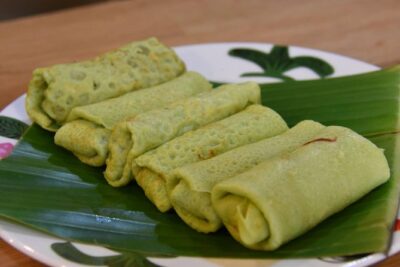
Peranakan Cooking Class in Singapore, near Lavender MRT Station
Read our review →Browse the lists this tour appears in