
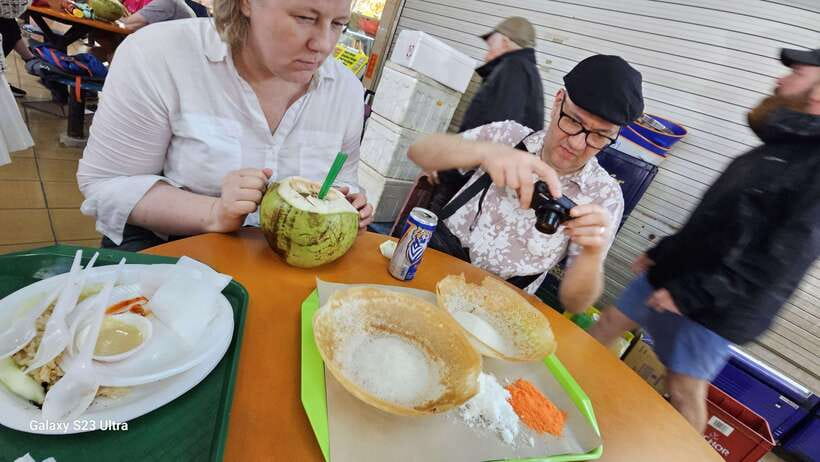
Reviewed · CHINATOWN TOURS
UNESCO Hawker Culture: Chinatown Food Tasting Tour
Singapore’s hawker culture makes the city easiest to understand one bite at a time. This three-hour Chinatown walk pairs 9 to 10 handpicked foods and drinks with stories about immigrant communities, old trades, temples, coffee shops, and the streets that shaped modern Singapore.
I like the way guides such as Ronnie, Jeanette, Kent, and Kelvin balance food with place. I also like the personal touch: guides help you choose dishes, point out murals you might miss, and offer restaurant suggestions for later, including chilli crab. The main consideration is that hawker-center seating and food orders cannot be reserved, so you may wait while the guide finds tables and places orders.
In This Review
- Key points at a glance
- Why this Chinatown walk is more than a food tour
- Pagoda Street and the Chinatown Heritage Centre
- Alleys, murals, and old-style coffee shops
- Ann Siang Hill and Singapore on screen
- Maxwell Food Centre and the serious eating
- Buddha Tooth Relic Temple and Sago Lane
- Chinatown Complex and the final look at hawker life
- What the $69 price really covers
- Food restrictions, walking, and rainy weather
- Which guide style should you expect?
- Who should book this Chinatown experience?
- Should you book it?
- FAQ
- How long is the Chinatown food tour?
- Where does the tour start?
- What food and drinks are included?
- Is the tour private or shared?
- What languages are available?
- Can dietary requirements be accommodated?
- Is the tour wheelchair-accessible?
Key points at a glance
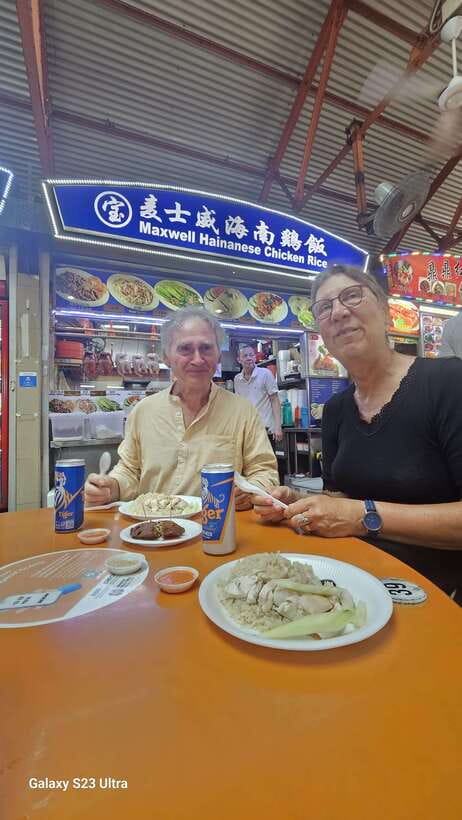
- Nine to ten tastings: Expect a full meal’s worth of small portions, snacks, sweets, coffee, and hawker dishes.
- Stories behind the streets: Pagoda Street, Sago Lane, Ann Siang Hill, and Chinatown’s temples carry the human story of Singapore’s early communities.
- Guides make the difference: Ronnie, Jeanette, Edwin, Janet, Kent, and Kelvin have all led praised tours, with humor and practical local advice.
- Maxwell Food Centre is a major stop: Chicken rice and Fuzhou oyster pancakes are among the featured tastes.
- Murals and movie locations: Yip Yew Chong’s street art and Ann Siang Hill provide some of the best photo stops.
- Plan for walking and weather: Wear comfortable shoes and carry an umbrella or poncho. The route is not wheelchair-accessible.
Why this Chinatown walk is more than a food tour
The food is the hook, but the story gives the tour its shape. You begin with bak kwa, the sweet-salty barbecued meat commonly associated with Singaporean festive eating, then move through streets where Chinese immigrants built homes, businesses, religious institutions, and social networks.
That order matters. Instead of tasting unfamiliar dishes without context, you learn why Chinatown developed as it did and how food became part of daily life. A guide can explain a dish, show you where it fits into local culture, and help you decide what to try next.
I would choose this experience early in a Singapore visit. It gives you a useful map of Chinatown and a list of foods to seek out later. It also suits a short stopover, since three hours covers several landmarks without asking you to spend an entire day on one neighborhood.
The tour costs $69 per person. That is not the cheapest way to eat at a hawker center, where individual dishes can cost much less. But the fee includes a licensed guide, a bottle of mineral water, the food and drinks, and three hours of interpretation. You are paying for access, selection, ordering help, and local explanation as much as for the food itself.
More walks through Chinatown:
- Chinatown, Little India, Kampong Gelam City Highlights Tour
★ 5.0 · 224 reviews - Singapore: Chinatown Hawker Market Food Tour with 7 Food Tastings
★ 5.0 · 213 reviews - Singapore: Chinatown, Little India, Arab Street Walking Tour
★ 4.9 · 207 reviews
Pagoda Street and the Chinatown Heritage Centre
The tour starts at Chinatown MRT Exit A, although the precise meeting point can vary with the option booked. From there, the opening section focuses on Pagoda Street and the Chinatown Heritage Centre.
Pagoda Street is a useful introduction because it connects the modern visitor district with the area’s earlier immigrant life. Your guide explains how people arrived, worked, lived, and formed communities in Singapore. The Chinatown Heritage Centre adds more detail, helping you picture the crowded living conditions and difficult beginnings that are easy to miss among today’s shops and restaurants.
The first food tasting is bak kwa. Starting with something familiar to many Singaporeans gives the guide a natural way to discuss food customs, celebrations, and the movement of people and ingredients across the region.
This portion lasts about 35 minutes, including walking, sightseeing, a photo stop, and tasting. Do not expect a long museum visit. The emphasis is on using the area as a setting for a guided introduction, not on spending hours indoors.
Alleys, murals, and old-style coffee shops
Next, you walk through smaller lanes and side streets, where the neighborhood becomes less polished and more revealing. The Yip Yew Chong murals are a highlight here. They depict scenes from everyday Singaporean life and give you something concrete to look for as your guide explains older customs and working life.
These murals are also among the tour’s strongest photo opportunities. The appeal is not simply that they look good on a phone. They help you connect a present-day street with the people and routines that once defined it.
The route includes traditional coffee shops, another detail I appreciate. Singaporean coffee culture is easy to overlook if you concentrate only on famous dishes. A guide can explain what makes the coffee shop experience distinct and suggest how to approach local drinks and sweets.
This is also a good section for questions. The guides praised most highly, especially Ronnie and Jeanette, were described as warm, funny, and generous with information. That matters on a walking tour. A guide who only recites dates can make a short route feel long. A guide who responds to your interests can turn the same streets into a conversation.
Ann Siang Hill and Singapore on screen
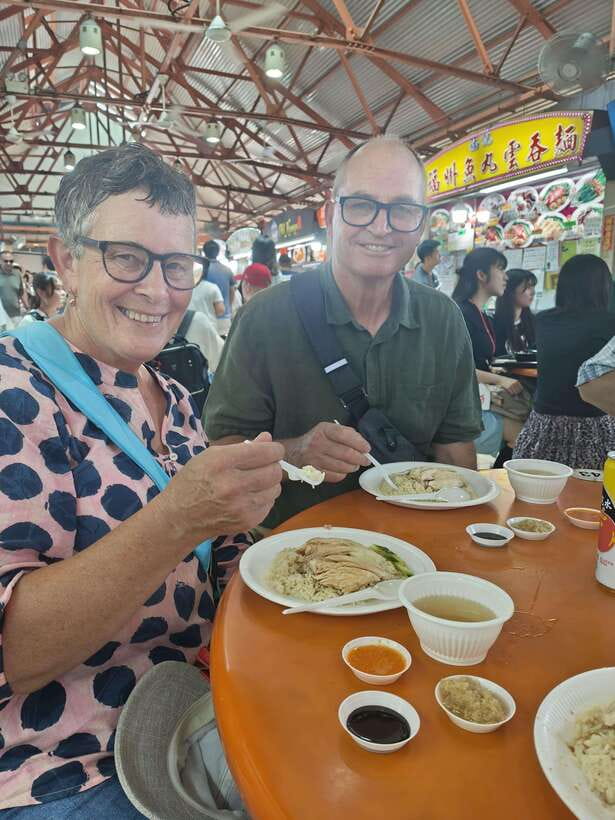
Ann Siang Hill changes the mood. Its historic shophouses and narrow streets offer a different look at central Singapore, with photo stops connected to locations seen in Crazy Rich Asians.
You will not spend the full 35 minutes taking movie photographs. The stop combines walking, sightseeing, commentary, and time to look around. Your guide places the buildings and streets in context rather than treating the neighborhood as a film set alone.
I like this part because it shows how Chinatown is not one single scene. It includes old temples, food centers, restored shophouses, murals, coffee shops, and streets now known for design, nightlife, and film. That mix can be confusing if you explore alone. The guide helps explain how the pieces fit together.
Ann Siang Hill may also be one of the more camera-friendly parts of the route. If you enjoy architecture and street photography, keep your phone ready, but do not let the photo stops distract you from the stories about the district’s past.
More hawker centres and street food walks:
- Small Group: Michelin and Local Hawker Food Tour with 9 tastings
★ 5.0 · 1,890 reviews - Small Group: Singapore Street Food & Night Tour with 9 tastings
★ 5.0 · 1,240 reviews - The Award-Winning PRIVATE Food Tour: 10 Tastings of 3 Cultures
★ 4.5 · 1,017 reviews - Singapore: Chinese, Indian & Arabic Quarters, Culture & Food Tour
★ 5.0 · 789 reviews
Maxwell Food Centre and the serious eating
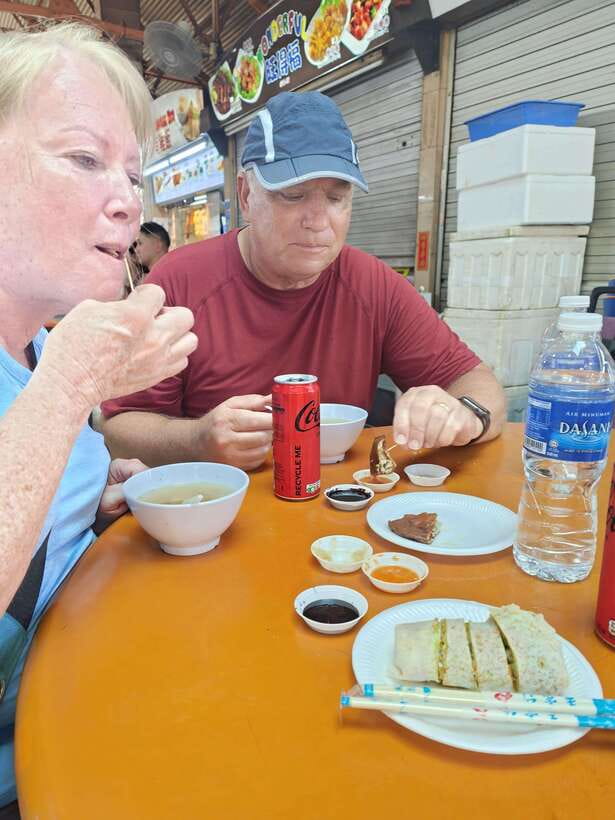
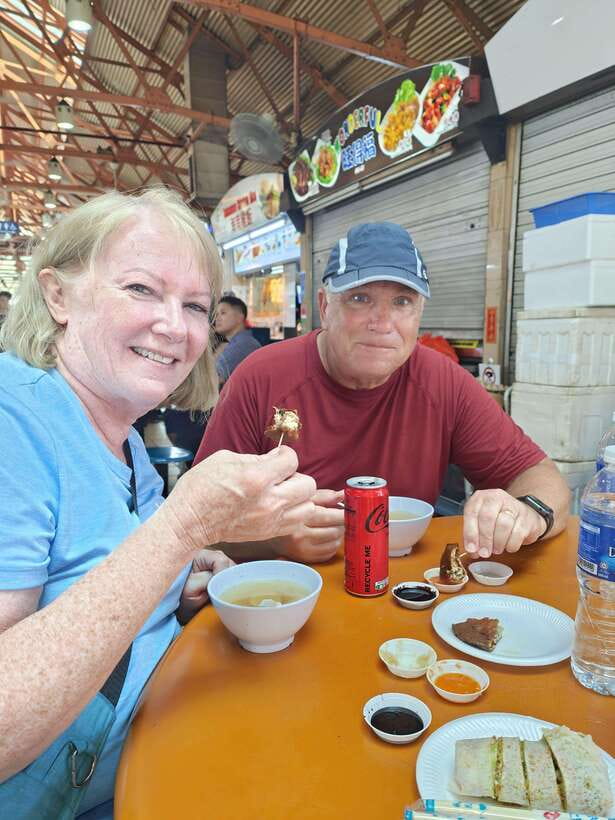
Maxwell Food Centre is where the tour becomes a proper meal. You receive local snacks and food tastings from selected stalls, with famous or Michelin-listed local hawker shops included among the possible choices.
The featured dishes include Hainanese chicken rice and Fuzhou oyster pancakes. Chicken rice is often treated as a simple dish, but the guide can direct your attention to the rice, seasoning, texture, and accompanying sauces. One guide also recommended trying the rice without the chicken, a useful reminder that the dish is more than its headline ingredient.
The Fuzhou oyster pancake offers a different taste and texture. It is the kind of food many first-time visitors might skip because the name or stall menu is unfamiliar. Having a guide choose and explain dishes removes much of the guesswork.
You may also try additional small bites, sweets, and drinks. The exact selection can vary, so you should not assume every advertised food will appear on every departure. The stated package includes 9 to 10 handpicked foods and drinks, which is enough to leave most people full. Several guests specifically advised arriving hungry, and I agree with that practical tip.
The 35-minute food-center stop includes a break, walking, ordering, and tasting. Hawker centers do not work like a restaurant with a reserved table waiting for you. Your guide cannot pre-order food or book seats, and you may need to wait while the guide secures tables and gathers dishes.
That small uncertainty is worth understanding before you book. If you dislike shared seating, queues, or eating on a timetable, this may feel less comfortable than a restaurant meal. If you want the real hawker-center experience, the wait is part of the setting.
Buddha Tooth Relic Temple and Sago Lane
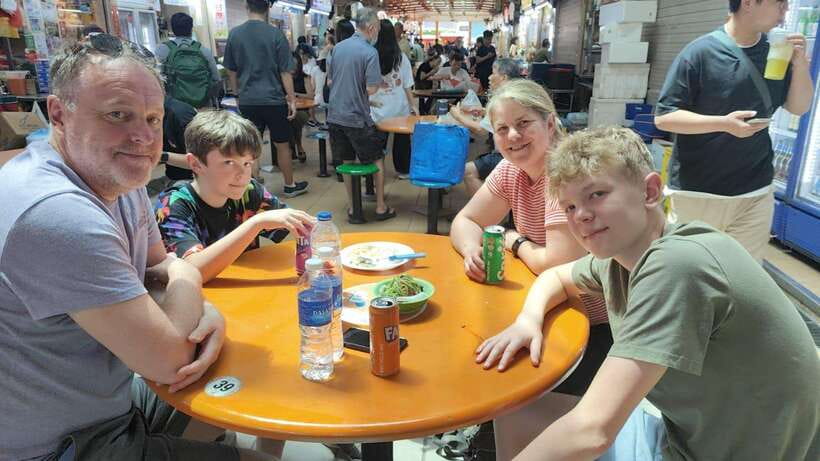
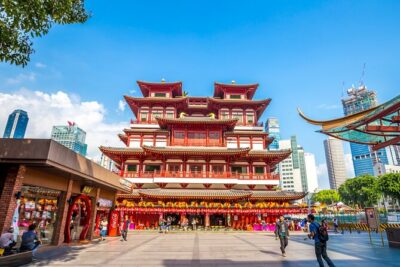
After eating, the route turns toward the Buddha Tooth Relic Temple and Museum. The stop lasts about 20 minutes and includes guided sightseeing.
This is not just a quick exterior photograph. Your guide provides cultural context and explains what you are seeing. Dress and behave respectfully in the temple, and be ready for the pace to remain fairly brisk because several stops are packed into three hours.
The route also includes Sago Lane, remembered as the street of the dead. That name points to an older and more difficult side of Chinatown’s story. The area was once associated with death houses, where seriously ill people were taken because it was believed they would not die in an ordinary family home.
This is an important counterweight to a food-focused itinerary. Singapore’s famous cleanliness, order, and modern development can make the past seem tidy. Sago Lane brings back the hardship, beliefs, and social conditions that shaped the district.
The guide’s role is especially useful here. You may walk past the location without knowing why it matters. With an explanation, an ordinary lane becomes part of a much larger story about family, religion, illness, and migration.
Chinatown Complex and the final look at hawker life
The tour ends at Chinatown Complex, with drop-off at Chinatown Complex or Chinatown complex. The guide gives you a final look at the building’s unusual architecture and its busy food scene.
This stop helps you compare two major hawker settings. Maxwell Food Centre is well known to first-time visitors, while Chinatown Complex gives you another view of how food stalls operate within a larger neighborhood center.
You should use this final section to ask practical questions. Which dishes deserve a second try? Where should you eat dinner? What should you order if you return alone? Ronnie was able to recommend a chilli crab restaurant to one couple, and guides have also helped solo participants with MRT directions.
That advice can be more valuable than a generic list of restaurants. Your guide has already learned what you like during the tasting, so recommendations can be more personal.
What the $69 price really covers
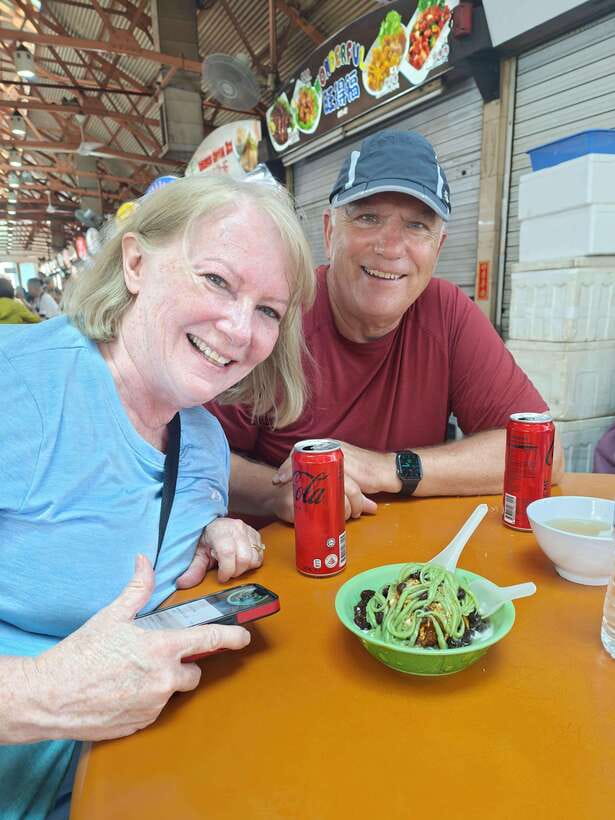
At $69, this is best judged as a guided experience rather than a cheap lunch. If you visited the food centers alone, you could spend less on the dishes. You would also need to choose the stalls, manage unfamiliar menus, find seats, and research the historical sites yourself.
The tour bundles those tasks into a single route. You receive the guide’s selection of food, the stories that connect each stop, help with ordering, and a bottle of water. Private and small-group options are available, and private tours include a personalized experience.
Group size can change the feel of the food-center stops. A small group is easier to seat and makes it simpler to hear the guide. A private option costs more in many tour settings, but the supplied price is listed per person and does not specify a separate private-tour surcharge, so check the exact booking choice before paying.
I see the best value for first-time visitors, solo visitors, couples, and anyone on a short stopover. Repeat visitors can also benefit. One person who had already visited Singapore three times still gained new insight into the city’s past and present.
Food restrictions, walking, and rainy weather
The operator says special dietary needs may not be catered to unless you book a private tour. Contact the provider before booking if you are vegan, vegetarian, allergic to an ingredient, or follow another strict diet.
One vegan participant was accommodated with extra effort from the guide, but that should not be treated as a guarantee. A private booking gives you a better chance of discussing substitutions in advance.
The tour is not wheelchair-accessible. You will walk through streets, alleys, food centers, and temple areas, so comfortable footwear is essential. Singapore’s weather can change quickly, and the operator recommends carrying an umbrella or poncho.
You should also allow some patience at hawker centers. Seats may not be ready, and the guide cannot control queues. This is a walking and eating tour, not a timed restaurant tasting with every course waiting at a reserved table.
Children aged 0 to 2 can join free. The child-ticket rule limits one child ticket per adult, two per two adults, and so on. Additional children pay the full adult price.
Which guide style should you expect?
Several guides are named for this experience, including Ronnie, Jeanette, Kent, Kelvin, Edwin, and Janet. The most consistent strength is not one fixed personality but the way the guides combine local history, food explanations, and practical help.
Ronnie is associated with humor, strong command of Singapore’s past, and a clear love of hawker food. Jeanette is described as upbeat, friendly, and good at making landmarks come alive. Kelvin helped a solo participant find the correct MRT station, while Edwin was praised for explaining both the food and the culture.
That matters if you are nervous about joining a walking tour alone. The guide is not just there to point at buildings. You can expect help with ordering, navigation, and deciding what to eat after the tour.
The language options are Chinese, English, and Japanese. Confirm your preferred language when booking.
Who should book this Chinatown experience?
I would recommend it if you want Singaporean food but do not know where to start. It is also a strong choice if you prefer a guide who explains the setting instead of leading you from stall to stall without context.
Book it early if you want restaurant suggestions for the rest of your visit. The tour can help you identify dishes you like before you spend money on a full meal.
It suits food-focused visitors, first-time visitors, short-stop travelers, and curious repeat visitors. It is less suitable if you need guaranteed seating, strict dietary control, step-free access, or a quiet indoor tasting.
You can cancel up to 24 hours before the activity for a full refund, and the reserve-now, pay-later option keeps the booking flexible. Check the starting time and meeting point for your selected option, since these can vary.
Should you book it?
Book this tour if you want a generous amount of food and a clear explanation of why Chinatown matters. The strongest parts are the guide-led storytelling, the mix of famous and less obvious food stops, Yip Yew Chong’s murals, Ann Siang Hill, and the contrast between Maxwell Food Centre and Chinatown Complex.
Skip it if you would rather browse hawker stalls alone or if waiting for shared tables would frustrate you. For most visitors, though, $69 is fair for three hours of food, navigation, cultural explanation, and local advice. Arrive hungry, wear good shoes, and leave room for the possibility that lunch will also be breakfast and dinner research.
FAQ
How long is the Chinatown food tour?
The tour lasts three hours, including walking, guided sightseeing, food tastings, and breaks.
Where does the tour start?
There are two starting location options listed, with Chinatown MRT Exit A as one meeting point. The exact meeting point may vary according to the option you book.
What food and drinks are included?
The experience includes 9 to 10 handpicked foods and drinks from famous or Michelin-listed local hawker stores. Featured examples include bak kwa, Hainanese chicken rice, Fuzhou oyster pancakes, coffee, sweets, and other local snacks.
Is the tour private or shared?
Private and small-group options are available. Private tours include a personalized experience.
What languages are available?
Live guiding is available in Chinese, English, and Japanese.
Can dietary requirements be accommodated?
Special dietary needs may not be catered to unless you book a private tour. Contact the operator before booking to discuss your requirements.
Is the tour wheelchair-accessible?
No. The activity is not wheelchair-accessible. Comfortable footwear is recommended, and you should carry an umbrella or poncho in case of rain.
More Food Tasting Experiences
- Singapore Market to Table Culinary Experience (Wet Market Tour included)
★ 5.0 · 479 reviews - Singapore Private Food, Culture and Heritage Tour with 9 tastings
★ 5.0 · 394 reviews - Singapore: Foodie Experience Guided Tour with 5 Tastings
★ 4.7 · 291 reviews - Singapore: Private Food Tour – 10 Tastings with Locals
★ 4.7 · 194 reviews
Just added around Singapore
- Skyline Luge and Sky Ride Ticket Sentosa Singapore★ 3.5 · 3 reviews
- Marina Bay Sands SkyPark Observation Deck ticket in Singapore★ 4.0 · 3 reviews
- Singapore Private Full-Day Sightseeing Tour★ 5.0 · 3 reviews
- Singapore: Food and Bike Tour – Downtown★ 4.6 · 3 reviews
- Singapore: Chinatown Street Food Tour★ 5.0 · 3 reviews
- Learn to cook authentic Peranakan food with local market tour★ 3.5 · 3 reviews
- Singapore Brompton Bike Tour from Rail Corridor, with food!★ 5.0 · 3 reviews
- Guided Walking Tour to the Historical Attractions in Farrer Park★ 5.0 · 3 reviews
Chinatown Tours, compared.
Chinatown, Little India, Kampong Gelam City Highlights Tour
Read our review →
Chinatown Hawker Market Food Tour with 7 Food Tastings
Read our review →Chinatown, Little India, Arab Street Walking Tour
Read our review →
Kampong Glam, Little India & Chinatown with Local Street Food Tastings
Read our review →
Browse the lists this tour appears in