
Reviewed · HAWKER & STREET FOOD TOURS
Street Food, Cultural & Historical Tour of 3 Ethnic Quarters
Singapore’s story is easiest to understand with a plate in front of you. This six-hour tour links Chinatown, Little India, and Kampong Glam, using food, old photographs, markets, and public transport to show how immigrant communities shaped the city. Gerry, a Singapore-born Chinese Peranakan guide, brings family roots that reach back to Fujian in 1910.
I like two things in particular: the small group of no more than eight keeps the walking and conversation personal, and the food is included, from hawker-centre dishes and local drinks to Indian food and dessert. The main consideration is stamina. You’ll walk about 6,000 steps, move through markets, and eat a lot, so this is not a gentle sightseeing ride.
In This Review
- Key points
- Three quarters, six hours, one useful introduction
- Chinatown: food, faith, and difficult chapters
- Little India: markets that explain the menu
- Kampong Glam: textiles, murals, and a sweet finish
- What the food pace is really like
- Why the public transport matters
- Gerry’s stories are the tour’s strongest feature
- Walking, timing, and what to bring
- Is $148 a fair price?
- Should you book this Singapore food tour?
- FAQ
- How long is the tour?
- Which areas does the tour visit?
- Is food and drink included?
- Is public transport included?
- Who leads the tour?
- How large is the group?
- Where does pickup take place?
- Is the tour suitable for people with dietary or mobility needs?
Key points
- Three historic quarters in one day: Chinatown, Little India, and Kampong Glam each reveal a different part of Singapore’s past and present.
- Gerry’s local perspective: His family connection to Singapore and old photographs add a personal layer to the historical stops.
- Food is central: Expect hawker dishes, market foods, drinks, Indian and Malay flavours, and dessert, with some food listed in the Michelin Guide.
- Public transport is part of the lesson: Short MRT or public transport journeys show you how locals move around the island.
- Small-business focus: The route visits family eateries, market stalls, textile shops, and other local businesses.
- Good practical value: The $148 price includes food, drinks, beer, transport tickets, and hotel pickup and drop-off where available.
Three quarters, six hours, one useful introduction
Singapore can feel polished and modern to the point of being hard to read. Glass towers, spotless trains, and carefully restored shophouses tell only part of the story. This tour gives you a clearer route through the city’s Chinese, Indian, and Malay communities.
The British planned these three ethnic settlements in 1822. That colonial arrangement shaped where communities lived, worked, worshipped, and traded. The tour does not treat the neighbourhoods as sealed museum pieces. Instead, you move through markets, food halls, clothing shops, religious sites, and small eateries where daily life still carries those older connections.
Gerry is the key to the experience. He was born in Singapore six years after independence in 1965, and his Chinese Peranakan background gives him a useful position between cultures. His great grandparents arrived from Fujian in 1910, so the wider story of migration is also part of his family story.
He uses old pictures to show what places looked like during earlier periods of hardship. That matters because Singapore’s present prosperity can make its immigrant past seem distant. You’ll hear about struggle, crowded living conditions, changing government policies, and the gradual shift from colonial port to modern city.
More hawker centres and street food walks:
- Small Group: Michelin and Local Hawker Food Tour with 9 tastings
★ 5.0 · 1,890 reviews - Small Group: Singapore Street Food & Night Tour with 9 tastings
★ 5.0 · 1,240 reviews - The Award-Winning PRIVATE Food Tour: 10 Tastings of 3 Cultures
★ 4.5 · 1,017 reviews
Chinatown: food, faith, and difficult chapters
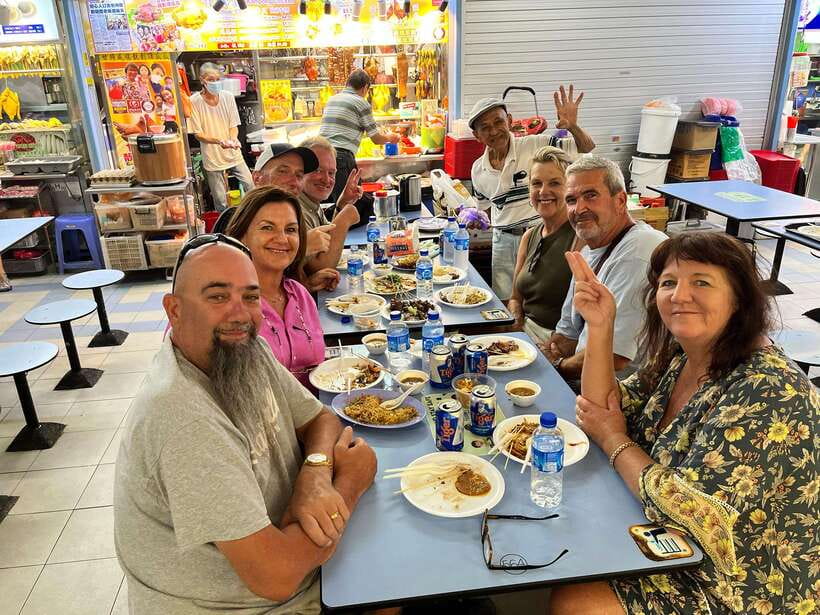
Chinatown is the first major stop, with about an hour spent walking, tasting, and hearing the district’s older stories. The area is not presented only as a row of photogenic shophouses. Gerry connects the food stalls and street markets to the people who built their lives here.
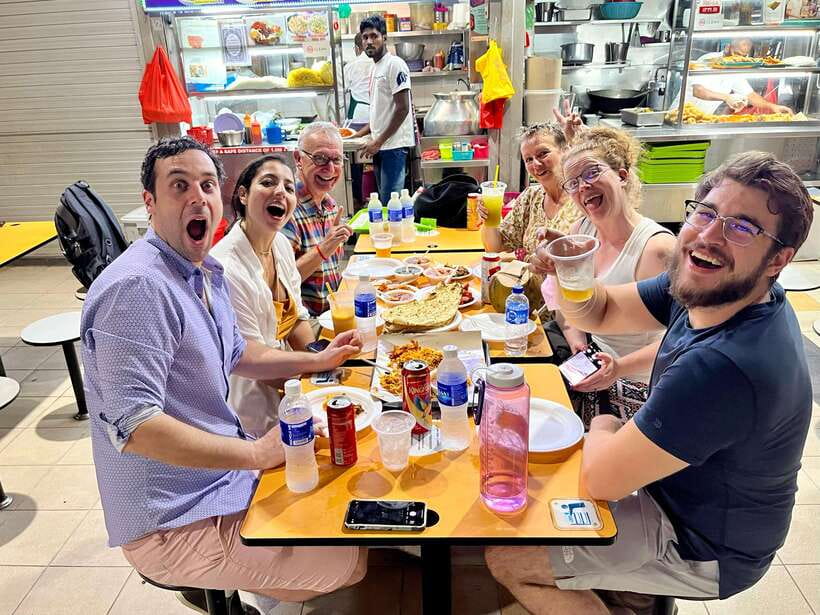
The hawker centre is the heart of this section. Singapore’s hawker culture is inscribed by UNESCO, and the tour uses that setting in the right way: you eat while learning how ordinary food became a major part of the city’s identity. You’ll sample local Chinese food and drink, with the exact selection depending on the day and the available stalls.
The advantage of having food included is that you can try more than one item without worrying about ordering a full meal at every counter. You can also ask what you’re eating, how it fits local habits, and which ingredients or cooking methods matter.
The route also includes a Buddhist temple and a street market. These stops add welcome variety after the food hall. Market stalls show the practical side of the neighbourhood, while the temple offers a place to discuss faith and community life.
The historical material is less cheerful. You’ll hear about the Street of the Dead, red lanterns and private chambers, and opium dens. These subjects point to the risks and pressures faced by early immigrants. The stories help explain why Chinatown was not simply an attractive cultural district, but also a hard-working settlement shaped by poverty, vice, family separation, and limited choices.
I especially like this balance. Singapore’s heritage areas can be polished for visitors, but this route leaves room for uncomfortable parts of the past. Gerry’s photographs help connect those chapters to actual streets rather than turning them into vague background information.
Little India: markets that explain the menu
A short public transport ride, listed at about 10 minutes, brings you to Little India. Here the tour shifts from Chinese food and temple culture to produce markets, spice stalls, clothing, and a family-run eatery.
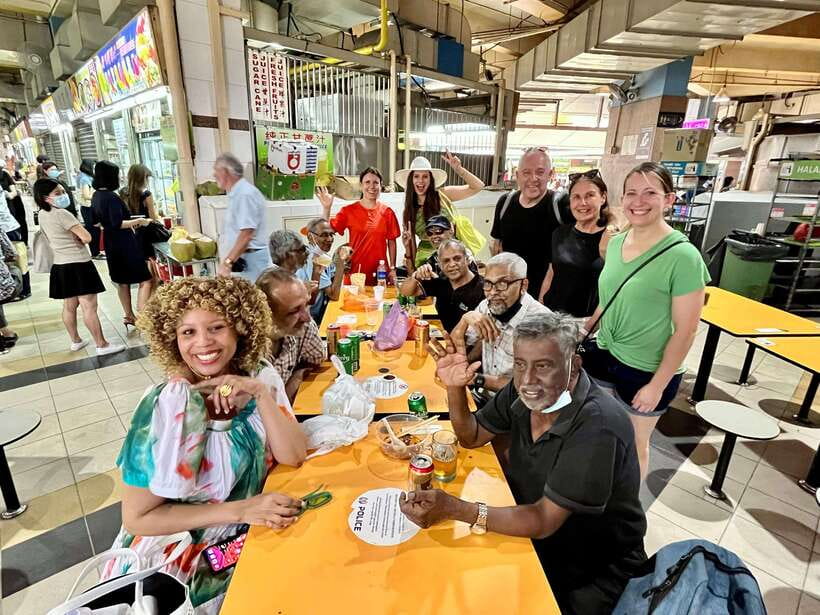
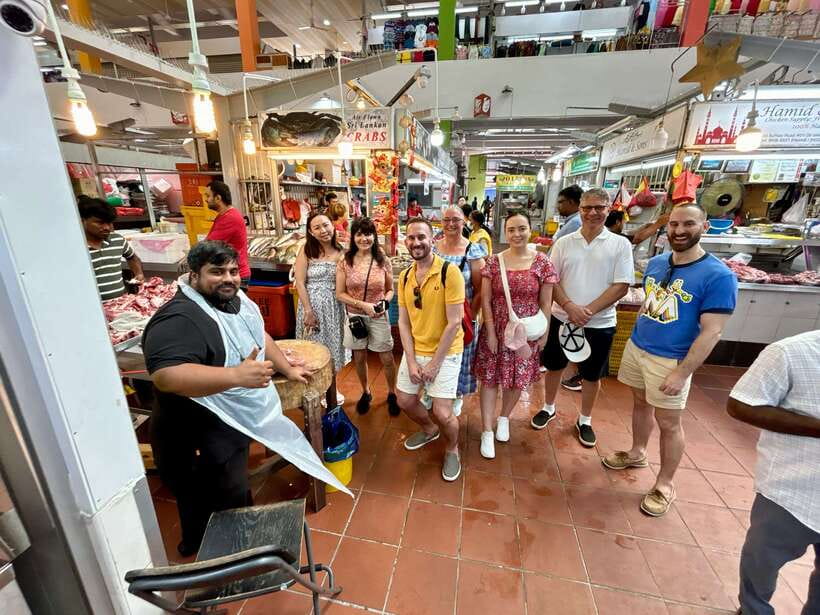
The market portion is one of the most useful parts for anyone who wants to understand South Asian food. You’ll see seafood, meat, fruit, vegetables, herbs, and spices in the places where they are sold for everyday cooking. Instead of learning food names from a restaurant menu alone, you get to see the ingredients in their working setting.
This is also where the route feels most connected to the people who keep Singapore’s food culture going. Traders and stallholders are not just scenery. The experience is designed to help you get to know some of the hawkers, shopkeepers, and local community members behind the food.
You’ll visit an Indian clothing market and other street stalls before stopping at a family eatery. Food and drink here can include Indian and Malay choices, local snacks, coffee, tea, beer, and other refreshments. Some foods on the route are listed in the Michelin Guide, though the experience is about everyday local eating rather than formal dining.
That distinction is important. If you want a sit-down restaurant meal with set courses and a quiet room, this is not the right format. If you want to understand how Singapore eats in ordinary neighbourhood settings, it is a much better fit.
Little India can also be a demanding stop. Wet markets have strong smells and damp floors, and the route includes meat and seafood stalls. The tour is not suitable for people with respiratory issues, vertigo, or certain mobility concerns, so take those warnings seriously rather than treating them as routine booking language.
Kampong Glam: textiles, murals, and a sweet finish
The final neighbourhood is Kampong Glam, the Malay quarter, with about an hour and a half set aside for walking and food. This is the longest individual neighbourhood section, and it offers a different mood from the markets of Chinatown and Little India.
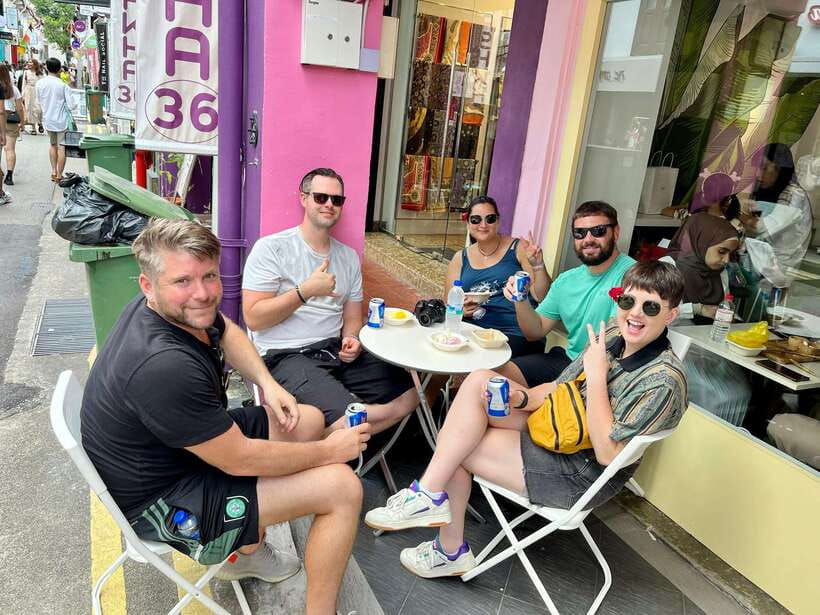
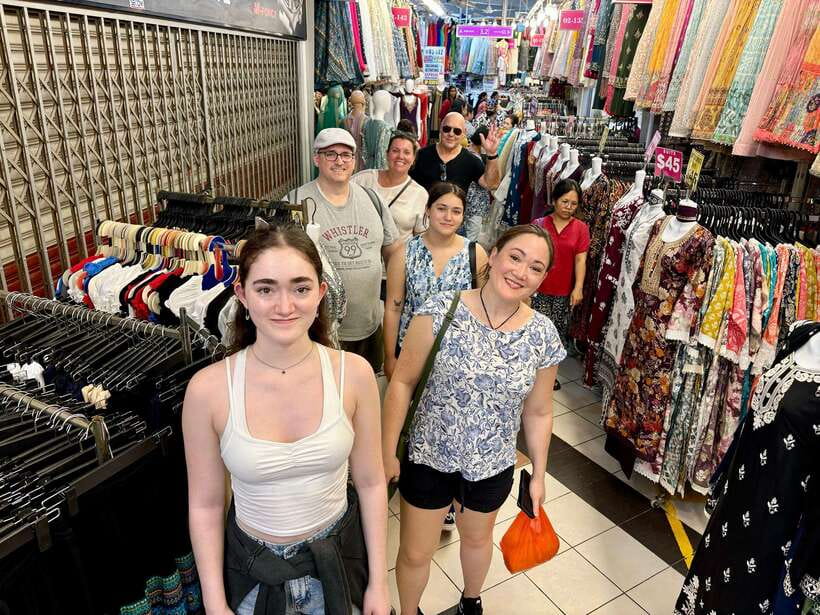
Haji Lane brings narrow streets, colourful walls, and independent shops. The neighbourhood’s graffiti and painted walls make it a popular place for photographs, but Gerry adds context so you can see more than decoration. The route also includes Arab Street, where textile shops connect to the district’s Malay and Muslim trading traditions.
You’ll receive an introduction to Singapore’s first Sultan Mosque. The stop provides a useful link between the quarter’s religious identity and its commercial history. The surrounding shophouses and textile businesses show how trade, faith, and migrant communities developed side by side.
Dessert comes in an old shophouse accommodation once used by Muslim pilgrims during the 19th century. That is a memorable choice because the building itself carries part of the story. You are not simply ending at a modern café with something sweet. You are eating in a place tied to the movement of people through Singapore.
One point to keep in mind is that the final food stop is more dessert focused than the earlier neighbourhoods. If you expect a full savoury meal in Kampong Glam, adjust your expectations. The dessert is paired with drinks and a cultural walk, not another large food spread.
More history and heritage around Singapore:
- Historical Singapore Bike Tour on Full-Sized Bicycles
★ 5.0 · 1,421 reviews - Singapore: Historical Half-Day Bike Tour
★ 4.8 · 399 reviews - Singapore Private Food, Culture and Heritage Tour with 9 tastings
★ 5.0 · 394 reviews - Singapore Group History & Culture Walking Tour
★ 5.0 · 160 reviews
What the food pace is really like
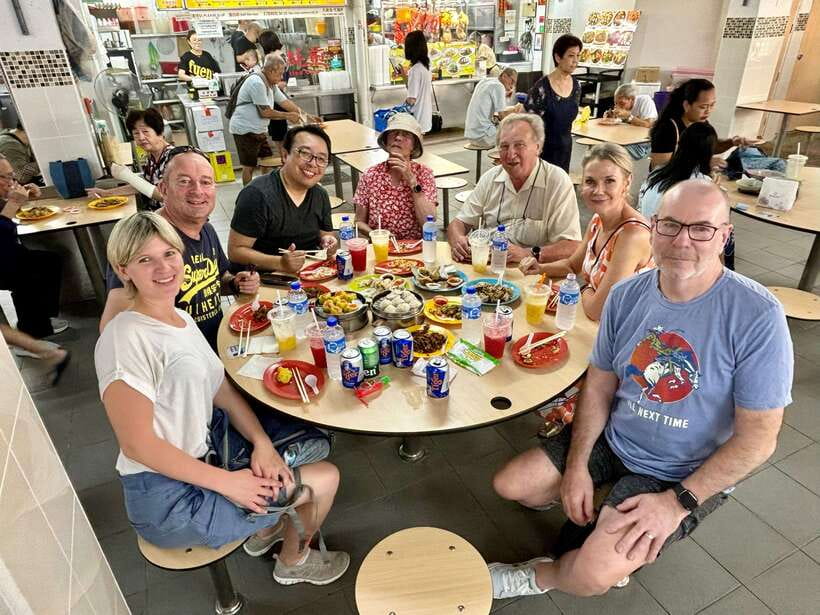
Come hungry. The food is described as plentiful, and the day includes morning refreshments, hawker food, local drinks, Indian and Malay dishes, snacks, beer, and dessert. You may not need breakfast before the tour, although a light meal could make sense if you have dietary or medical needs.
The generous food schedule is a major part of the $148 value. You are not paying only for a guide who points out buildings. The price includes tastings across three districts, drinks including beer, public transport tickets, and hotel pickup and drop-off when your location qualifies.
Still, value depends on how you eat. The tour is not suitable for vegans or people with gluten intolerance, and the food is not designed around extensive dietary substitutions. The information also advises against joining if you are pregnant, have back problems, have low fitness, or need a wheelchair, walking frame, mobility scooter, or non-folding stroller.
Food preferences are worth discussing before booking. The experience can accommodate some fussy eaters, but no detailed list of possible substitutions is provided. If you have a serious allergy or strict diet, contact the provider before paying.
Why the public transport matters
The short rides between neighbourhoods are not wasted time. Public transport is clean, efficient, comfortable, and well connected, and the tickets are included. You’ll see one of the systems that makes modern Singapore work for people who live there.
There is also a practical benefit. Instead of staying inside one tourist zone, you learn how the quarters relate to each other across the city. The transfers break up the walking and give the six-hour route a natural rhythm.
Pickup and drop-off are available from city-area hotels, but this depends on location. You can also meet at the first stop or at a nearby MRT station. City Hall MRT and Raffles City are listed as pickup and return options, so confirm the exact meeting point and time through your booking.
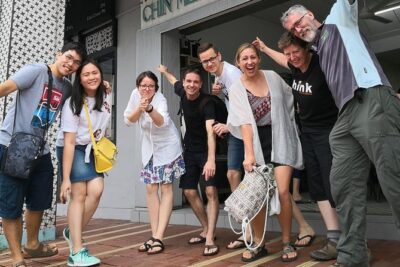
The group is limited to eight people. That size is small enough for questions and conversation, but it does not mean you’ll have a private tour. If several people are keen to ask about food, family history, or local customs, the day should feel social and interactive.
Gerry’s stories are the tour’s strongest feature
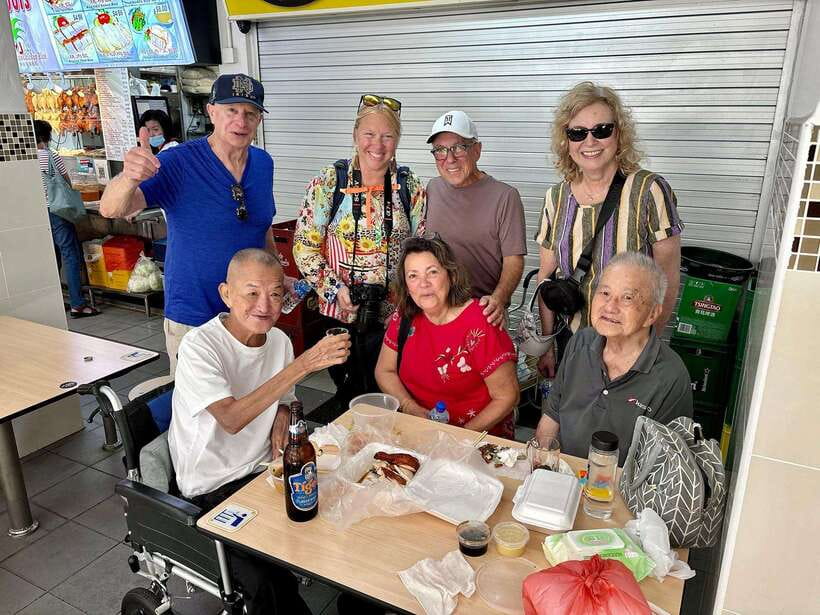
Food tours often rise or fall on the guide. Here, Gerry does more than explain what is on the plate. He uses humour, photographs, family background, and local knowledge to connect individual stops into a larger story.
His style appears relaxed rather than lecture-like. The tour is built around questions and conversation, so you can ask about Singapore’s past and present as you walk. That helps the day feel less like a checklist of attractions and more like an introduction from someone who knows the city personally.
The old images are especially useful. You can compare earlier streets and buildings with what you see now, then consider how Singapore changed after independence. The food and markets become evidence of that change, not separate entertainment.
I also like the focus on small businesses. Family-run eateries, hawkers, traders, textile shops, and market sellers are given a place in the story. The tour encourages you to see the people behind local culture and to spend money in businesses that have remained part of their communities.
Walking, timing, and what to bring
The total walking distance is about 6,000 steps. That is manageable for many people, but the day includes markets, streets, food halls, temple areas, and transfers. Comfortable shoes are essential, as are light, comfortable clothes.
Six hours is long enough to make the route worthwhile, but it can feel full. Each neighbourhood has only a set amount of time, so you will not have hours for independent shopping or detailed museum visits. The focus is food, stories, and seeing how the districts fit together.
Bring a small bag rather than luggage. Oversize luggage, large bags, baby strollers, non-folding wheelchairs, walking frames, and mobility scooters are not allowed. Since food and drinks are included, there is no need to carry much beyond water, a phone, and personal essentials.
The tour is in English. It suits couples, solo visitors, families with older children, and small groups who enjoy asking questions. A 15-year-old joined one successful outing, so older teenagers can find the food and history engaging. Babies under one year are not suitable for this experience.
Is $148 a fair price?
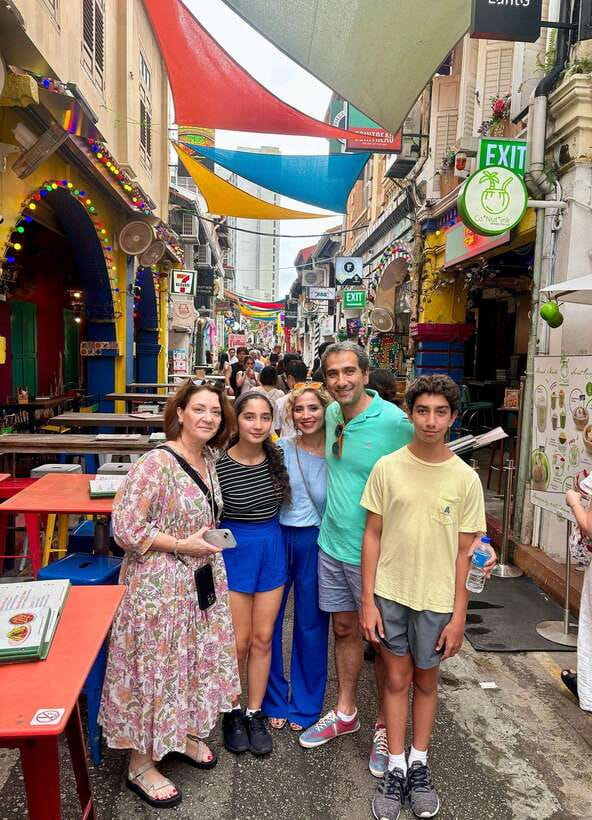
At $148 per person, this is not Singapore’s cheapest food outing. You could eat at hawker centres for far less if you planned the day yourself. The value comes from the combination of food, transport, access to local context, and six hours of guided time.
The price includes all food and drinks, beer, public transport tickets, and city-area pickup and drop-off where available. It also saves you the work of choosing dishes across three ethnic quarters, finding the markets, and working out the transport connections.
For me, the strongest value is the interpretation. Eating a Michelin-listed hawker dish is pleasant, but understanding its place in Singapore’s working food culture makes the meal more useful. The same applies to the markets and shophouses. You can visit them independently, but Gerry’s photographs and stories help you read what you are seeing.
You should compare this tour with your own priorities. If you mainly want a large number of tastings at the lowest possible cost, book a shorter hawker-centre food tour. If you want food linked to migration, colonial planning, religion, markets, and modern Singapore, the higher price is easier to justify.
Should you book this Singapore food tour?
Book it if you want an active introduction to Singapore and enjoy trying unfamiliar foods in local settings. It is particularly good for a first or second visit, when you want a clear framework for understanding Chinatown, Little India, and Kampong Glam without spending days planning each district.
I would also choose it if you value a strong guide. Gerry’s humour, personal connection, and use of old pictures are central to the experience. The perfect five-star rating from 23 recorded ratings supports the idea that the guide and food delivery are consistently strong, but you should still read the physical and dietary limits carefully.
Skip it if you need a wheelchair-accessible route, have a strict vegan or gluten-free diet, dislike markets with meat and seafood, or find six hours of walking and eating too much. For everyone else, this is a well-rounded way to meet Singapore through its kitchens, shops, religious buildings, and working streets.
FAQ
How long is the tour?
The experience lasts six hours, including walking, food tastings, sightseeing, and public transport between the three neighbourhoods.
Which areas does the tour visit?
You visit Chinatown, Little India, and Kampong Glam, the Chinese, Indian, and Malay quarters of Singapore.
Is food and drink included?
Yes. Food and drink are included, including beer. The route includes hawker food, Indian and Malay food, local snacks, coffee, tea, and dessert.
Is public transport included?
Yes. Public transport tickets to all three quarters are included in the price.
Who leads the tour?
The tour is led in English by Gerry, a Singapore-born Chinese Peranakan guide whose great grandparents arrived from Fujian, China, in 1910.
How large is the group?
The group is limited to eight participants.
Where does pickup take place?
City Hall MRT and Raffles City are listed as pickup options. Hotel pickup and drop-off may be available in city areas, depending on your location. You can also meet at the first stop or at the nearest MRT station after confirming details through your booking.
Is the tour suitable for people with dietary or mobility needs?
It is not suitable for vegans, people with gluten intolerance, pregnant women, people with back problems, mobility impairments, vertigo, respiratory issues, or low fitness. Wheelchair users, mobility scooter users, and people bringing non-folding strollers or walking frames cannot join.
Just added around Singapore
- Skyline Luge and Sky Ride Ticket Sentosa Singapore★ 3.5 · 3 reviews
- Marina Bay Sands SkyPark Observation Deck ticket in Singapore★ 4.0 · 3 reviews
- Singapore Private Full-Day Sightseeing Tour★ 5.0 · 3 reviews
- Singapore: Food and Bike Tour – Downtown★ 4.6 · 3 reviews
- Singapore: Chinatown Street Food Tour★ 5.0 · 3 reviews
- Learn to cook authentic Peranakan food with local market tour★ 3.5 · 3 reviews
- Singapore Brompton Bike Tour from Rail Corridor, with food!★ 5.0 · 3 reviews
- Guided Walking Tour to the Historical Attractions in Farrer Park★ 5.0 · 3 reviews
Hawker & Street Food Tours, compared.
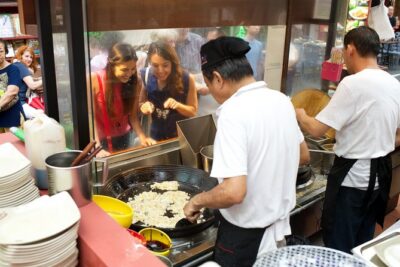
Small Group: Michelin and Local Hawker Food Tour with 9 tastings
Read our review →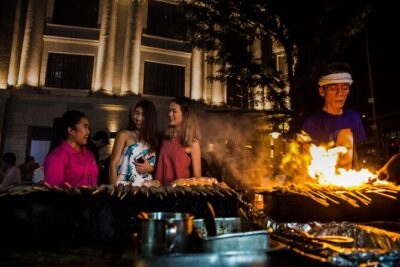
Small Group: Singapore Street Food & Night Tour with 9 tastings
Read our review →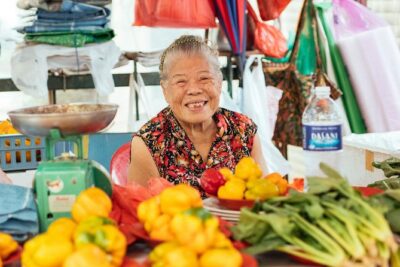
The Award-Winning PRIVATE Food Tour: 10 Tastings of 3 Cultures
Read our review →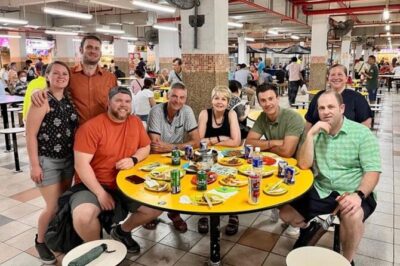
Chinese, Indian & Arabic Quarters, Culture & Food Tour
Read our review →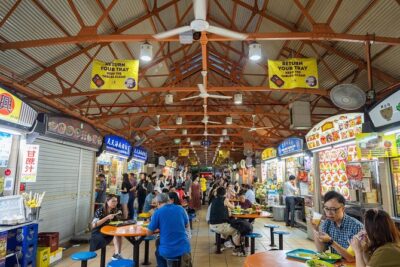
Small-Group Food Tour With Hawker Center: Eat Like A Local
Read our review →
Browse the lists this tour appears in