
Reviewed · HAWKER & STREET FOOD TOURS
Small-Group Food Tour With Hawker Center: Eat Like A Local
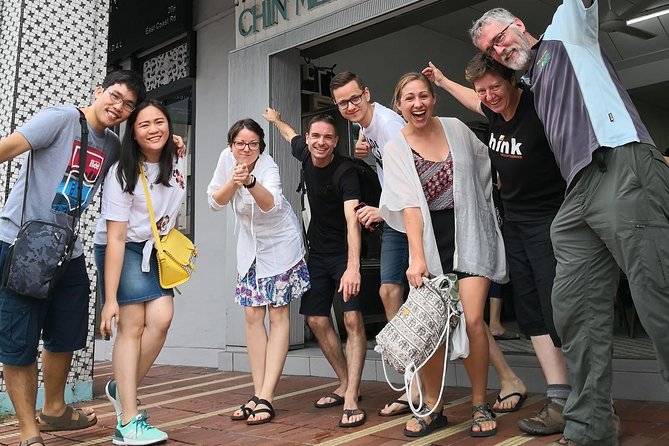
Singapore’s food story comes alive one bite at a time on this six-hour neighborhood tour. You move from Peranakan Katong to Old Airport Road Hawker Centre, then on to Malay Kampong Gelam and Indian Little India, using your feet and public buses to connect the dots.
I like the small group of eight or fewer, which gives guides such as Su Ling, Pam, Richard, Kwang, and Gee Soo room to answer questions and adjust the pace. I also like the broad menu: kaya toast, kuehs, laksa, Hokkien mee, rojak, popiah, dosa, and other local dishes. The catch is simple: this is a long, hot, food-heavy day with about 3 kilometers of walking, and the $161.62 price may feel high if you mainly want a few famous dishes.
In This Review
- Key points before you book
- Why this tour works as a Singapore introduction
- Starting in East Coast and Katong-Joo Chiat
- Old Airport Road and the hawker center hour
- Kampong Gelam, Sultan’s Mosque, and Haji Lane
- Little India and the final round of food
- What the food portions are really like
- Walking, buses, weather, and comfort
- Is $161.62 a fair price?
- Who should book this food tour?
- Booking details worth knowing
- FAQ
- How long is the Singapore food tour?
- How many people are in each group?
- What food is included?
- Where does the tour start and end?
- Is the tour suitable for vegetarians or people with allergies?
- How much walking is involved?
- Should you book it?
Key points before you book
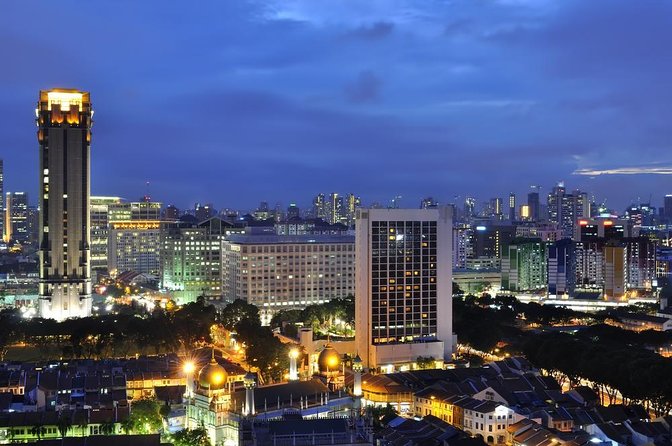
- Four very different districts: See Katong-Joo Chiat, Old Airport Road, Kampong Gelam, and Little India in one connected food and culture route.
- At least 10 tastings: Expect small portions and a wide range of Chinese, Peranakan, Malay, Indonesian, Arabic, and Indian food.
- A maximum of eight people: The group size makes it easier to hear the guide, share dishes, and ask questions.
- Public buses are part of the experience: You do not simply sit in a private vehicle. You get a practical look at how Singapore moves.
- Plan for heat and rain: Wear walking shoes, carry a hat or umbrella, and bring at least 1 liter of water per person.
- Not suitable for many dietary restrictions: The food can include pork, meat, seafood, dairy, wheat, gluten, spice, and other common allergens.
Why this tour works as a Singapore introduction
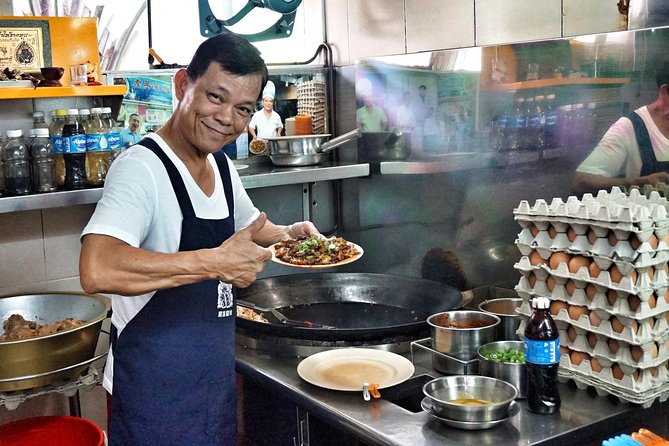
Singapore can feel polished and modern at first glance. The food tells a more interesting story. Chinese, Malay, Indonesian, Indian, Arabic, and Peranakan influences meet in hawker centers and neighborhood eateries, often in dishes that do not fit neatly into one category.
This tour uses food as the thread connecting those communities. Your guide explains how immigrant groups settled in different parts of the city, how dishes developed, and how Singapore’s food culture became distinctly local. I like that you are not confined to one hawker center. You see several districts and get a sense of how the city changes from one neighborhood to the next.
The guides are a major part of the experience. Su Ling is praised for keeping the route organized and the pace comfortable. Pam is especially good at combining food advice with practical help, including directions for catching a ride after the tour. Richard brings a strong focus on cultural background, while Kwang has been especially appreciated for explaining food, architecture, and city life.
Your guide will shape the day. That is normal on a small-group experience, but it also means the tone can vary. The common thread is a focus on local food and history rather than a formal sightseeing lecture.
More hawker centres and street food walks:
- Small Group: Michelin and Local Hawker Food Tour with 9 tastings
★ 5.0 · 1,890 reviews - Small Group: Singapore Street Food & Night Tour with 9 tastings
★ 5.0 · 1,240 reviews - The Award-Winning PRIVATE Food Tour: 10 Tastings of 3 Cultures
★ 4.5 · 1,017 reviews
Starting in East Coast and Katong-Joo Chiat
The morning starts at BibiNogs@Tides217 on East Coast Road at 9:00 a.m. The first part of the experience, called Hello Singapore, sets up the day and introduces the mixed group. Tours normally run on Tuesdays, Thursdays, and Saturdays, with a maximum of eight people.
The first neighborhood focus is Katong-Joo Chiat, a good place to begin because it introduces Peranakan culture. Your guide discusses early Chinese immigrants and the way Chinese and Southeast Asian traditions blended into a culture with its own food, clothing, buildings, and customs.
This is where dishes such as kuehs and other traditional sweets make more sense. Kueh is a broad family of colorful cakes and snacks, and tasting them alongside an explanation of their cultural place is more useful than simply picking one from a display case. You may also try items such as kaya toast and bak chang, depending on the day’s food stops.
Katong-Joo Chiat is also one of the more pleasant areas for walking and looking around between tastings. The tour includes commentary about the streets and attractions as you go, so you are not just moving from one table to the next.
The limitation is timing. You have about an hour here, not a full neighborhood tour. If you want detailed architecture photography or time in every shop, this route will feel brisk. The goal is to understand the area and eat its food, not cover every lane.
Old Airport Road and the hawker center hour
The next major food stop is Old Airport Road Hawker Centre in the Mountbatten area. This is one of the practical strengths of the tour. Hawker centers can be confusing for a first-time visitor, especially when several stalls sell dishes with unfamiliar names and long lines may make it hard to know what is worth trying.
Your guide takes you into a place known for long-running hawker stalls and selects one or two distinctly Singaporean dishes from options such as:
- Hokkien mee
- Rojak
- Popiah
- Carrot cake
Singaporean carrot cake is not the sweet baked dessert many people expect. It is a savory dish made with radish cake, usually cooked with other ingredients and sauces. Rojak is a mixed salad with a strong sweet and savory dressing. Popiah is a fresh spring roll, while Hokkien mee brings noodles and seafood flavors together.
This is a useful moment to ask questions. You can learn how dishes differ from versions found elsewhere in Southeast Asia, and your guide can explain what you are eating before you take the first bite.
The stated time here is about 30 minutes, so do not expect a long, leisurely hawker-center lunch at this stop. The tour continues through the day, and food arrives in several rounds. Some people appreciate the steady sampling. Others find that nine or ten stops over six hours is simply too much.
Kampong Gelam, Sultan’s Mosque, and Haji Lane
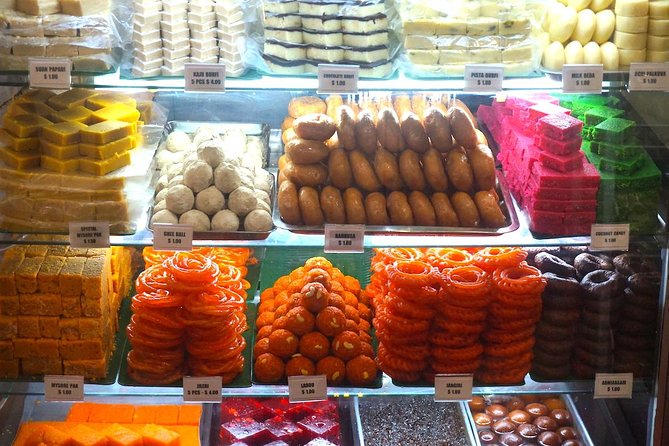
Kampong Gelam shifts the cultural focus toward Singapore’s Malay community. The district is also linked with Arabic and Indonesian food, giving you another set of flavors after the Chinese and Peranakan dishes earlier in the day.
Sultan’s Mosque is a key landmark here. It is named after Sultan Hussain Shah and is now a national monument. Your guide places the mosque and neighborhood within Singapore’s broader story, then leads you through food stops connected to Malay, Arabic, and Indonesian traditions. Tea, including teh, is also part of the planned refreshments.
The route includes Haji Lane, the narrow street known for its shops and colorful setting. It is a useful change of pace after the hawker center, though you should remember that this remains a walking food tour. Haji Lane is not a long shopping stop. You will have time to look around, but the food route and schedule come first.
I like the way Kampong Gelam adds context to the meal. A dish tastes different when you understand the community behind it and the neighborhood where it is served. Still, the six-hour format means you should not expect a deep visit inside Sultan’s Mosque or a long independent wander through the district.
A different sort of day out, same city:
- Lion City Bike Tour of Singapore
★ 5.0 · 6,211 reviews - Singapore: Gardens by the Bay Bundle Entry Ticket
★ 4.3 · 3,726 reviews - Singapore: Big Bus Hop-On Hop-Off Tour by Open-Top Bus
★ 4.5 · 3,261 reviews - Singapore: Lion City Highlights Bike Tour
★ 4.9 · 2,010 reviews
Little India and the final round of food
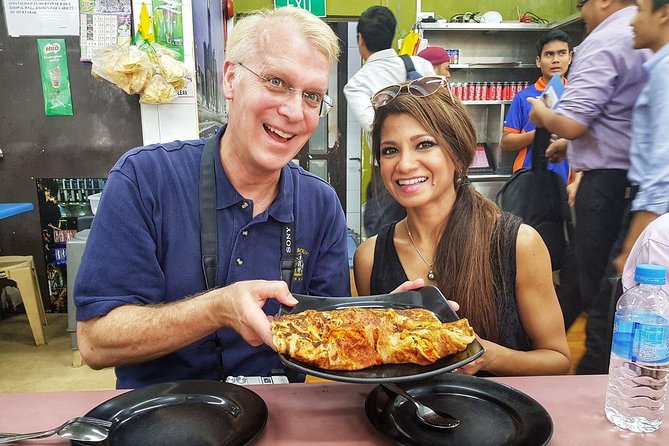
The final neighborhood is Little India, where the guide explains why the Indian community settled in this part of Singapore and how the district developed. This gives the tour a clear cultural arc, moving from Peranakan and Chinese influences to Malay, Arabic, Indonesian, and Indian food traditions.
You visit an indoor market and try dosa, a savory South Indian crepe served with dips. This is one of the more approachable foods for first-time visitors because you can see how the crisp or soft crepe works with the accompanying sauces.
Some of the tastings in Little India may feel similar to one another, especially if you prefer meat dishes. One important criticism of the tour is that chicken rice, an iconic Singapore dish, is not part of the standard food list. If that dish is a top priority, you may need to arrange it separately.
That point matters because the tour promises breadth rather than a complete checklist of Singapore’s most famous foods. You can sample more than 10 items and still miss chicken rice, chili crab, or another dish you had hoped to try. Tell your guide what you most want to eat at the start, but do not assume the route can be changed.
The tour ends in Little India. That is handy if you plan to keep exploring the district afterward, and it gives you a natural place to continue eating or sightseeing. Transportation from the endpoint is not included, so plan your next move in advance.
What the food portions are really like
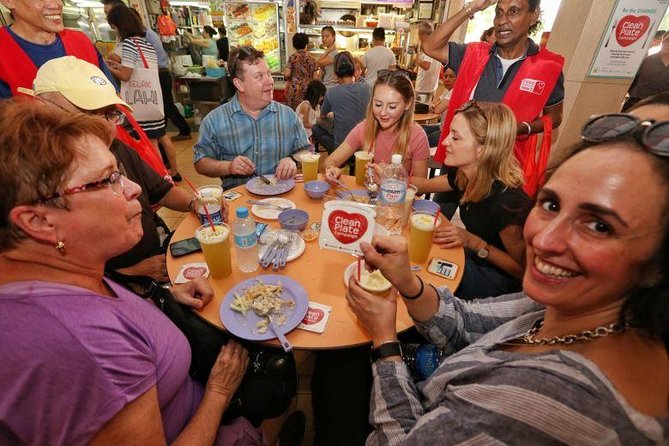
This is not a restaurant tasting menu. You are eating street and hawker-center food, usually in shared or small portions. That lets you sample a wide range without ordering a full plate of everything.
The food list includes kaya toast, bak chang, kuehs, laksa, Hokkien mee, rojak, popiah, carrot cake, dosa, tea, and coffee. The exact selection can vary, and some days include around 18 foods and drinks according to the guide’s choices and group appetite.
The range is the main value. You might move from a sweet breakfast item to a spicy noodle dish, then to a Malay or Indonesian snack and an Indian specialty. If you like trying unfamiliar food, this format saves you from guessing at several stalls on your own.
The downside is that the meal can feel uneven. Some people want more protein, while several dishes may be vegetarian or starch-based. One published experience specifically found that the food did not justify the price and wished the route had included chicken rice. Another found the day almost too filling.
My advice is to treat this as a food education tour with lunch included, not as a luxury dining experience. Come hungry, but do not book a large evening meal. You may finish comfortably full, or you may reach what one guide described as a happy food coma.
Walking, buses, weather, and comfort
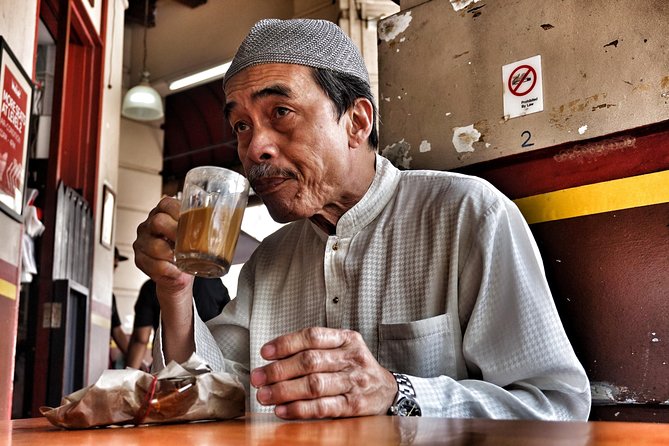
You need to walk about 2 miles, or 3 kilometers, at a reasonable pace. Singapore is hot and humid, and much of the route is outdoors. You will also ride public buses, which is a practical way to connect the districts and gives the day a more local feel.
Wear comfortable walking shoes. Bring sun protection, a hat, and an umbrella. Rain is common, and the tour continues in wet weather, so a light raincoat is sensible. The operator asks each person to bring at least 1 liter of water because dehydration is a real risk in the heat.
Bathroom breaks are not the focus of the schedule. One account specifically found the day low on comfort, with a lot of walking and few toilet stops. If you need frequent breaks, have mobility concerns, or are traveling with a young child who may not keep up, a private tour would be the better fit.
Children under 6 should be booked on a private Singapore food tour instead. Service animals are allowed, and most people who can manage the walking and heat can take part.
Is $161.62 a fair price?
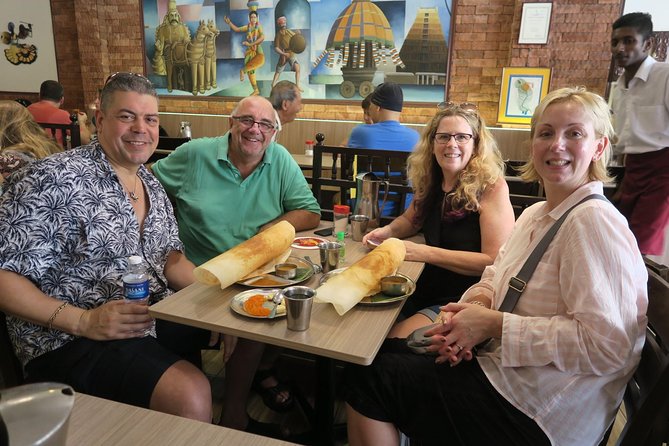
At $161.62 per person, this is not a cheap hawker-center outing. You are paying for a professional guide, public-bus transportation during the route, lunch, snacks, tea and coffee, at least 10 tastings, taxes, and a small group.
The price makes more sense if you have only a short time in Singapore or want a guided introduction to several food traditions at once. You also gain the convenience of having someone choose stalls, explain dishes, organize transport, and connect food with neighborhood history.
The value is weaker if you are comfortable using public transport, researching hawker stalls, and ordering small portions on your own. You could spend much less eating independently, though you would not get the same guided route or cultural explanation.
I would also compare the price with your personal food priorities. If you want a broad survey and enjoy moving through several districts, the tour offers a full day. If you want four carefully chosen dishes, a shorter three-hour tour may suit you better.
Who should book this food tour?
I would choose this tour if you are visiting Singapore for the first time, have limited time, and want food to guide your sightseeing. It is especially useful if you are curious about the links between Chinese, Peranakan, Malay, Indonesian, Arabic, and Indian communities.
It also suits confident eaters who enjoy seafood, meat, pork, wheat, dairy, and spice. The group size is small enough for conversation, and the public-bus rides add a bit of everyday city life to the route.
I would hesitate if you have strict dietary restrictions or allergies. The tour is explicitly unsuitable for vegetarians and for many restricted diets. The food may contain milk, meat, pork, prawns, fish, wheat, gluten, and spice.
I would also think twice if you dislike heat, walking, shared tastings, or long food days. This is not a relaxed café crawl. It is an active, six-hour route with food arriving again and again.
Booking details worth knowing
The usual start time is 9:00 a.m., but when demand is high a second group may start at 10:00 a.m. The booking confirmation may still show 9:00 a.m., so check your email for the final time.
The tour needs at least three people to operate. If the minimum is not met and the activity is canceled, you are offered another date or experience, or a full refund.
The supplied cancellation terms say you can cancel at least 24 hours before the start time for a full refund. Changes or cancellations inside 24 hours are not refunded, and the local time controls the cutoff. Since another operational note gives a different earlier cancellation window, check the exact terms attached to your booking before paying.
FAQ
How long is the Singapore food tour?
The tour lasts approximately six hours, with the itinerary listing about five hours and 30 minutes of touring time. It starts at 9:00 a.m. unless you are notified that your group has been moved to the later 10:00 a.m. departure.
How many people are in each group?
The tour has a maximum of eight travelers. A minimum of three people is required for the tour to run.
What food is included?
The tour includes more than 10 tastings. Listed examples include kaya toast, bak chang, kuehs, laksa, Hokkien mee, rojak, popiah, carrot cake, and dosa, along with tea and coffee.
Where does the tour start and end?
It starts at BibiNogs@Tides217, East Coast Road, #02-05, Singapore 428915. It ends in Little India. Transportation to the meeting point and from the endpoint is not included.
Is the tour suitable for vegetarians or people with allergies?
No. The tour is not suitable for vegetarians or people with dietary restrictions and allergies. The food may contain milk, meat, pork, prawns, fish, wheat, gluten, and spice.
How much walking is involved?
You must be able to walk about 2 miles, or 3 kilometers, at a reasonable pace in hot, humid weather. Comfortable shoes, sun protection, rain protection, and at least 1 liter of water per person are recommended.
Should you book it?
Book this tour if you want a wide, energetic introduction to Singapore through food and neighborhoods. The combination of small-group guiding, hawker centers, public buses, and cultural explanation gives you a useful start, especially on a short visit.
Skip it if you want a short gourmet tasting, a fixed list of iconic dishes, or a low-cost way to eat. At this price, you should value the guide and the six-hour cultural route as much as the food itself. If you do, the day can be one of the most useful ways to get your bearings in Singapore.
Just added around Singapore
- Skyline Luge and Sky Ride Ticket Sentosa Singapore★ 3.5 · 3 reviews
- Marina Bay Sands SkyPark Observation Deck ticket in Singapore★ 4.0 · 3 reviews
- Singapore Private Full-Day Sightseeing Tour★ 5.0 · 3 reviews
- Singapore: Food and Bike Tour – Downtown★ 4.6 · 3 reviews
- Singapore: Chinatown Street Food Tour★ 5.0 · 3 reviews
- Learn to cook authentic Peranakan food with local market tour★ 3.5 · 3 reviews
- Singapore Brompton Bike Tour from Rail Corridor, with food!★ 5.0 · 3 reviews
- Guided Walking Tour to the Historical Attractions in Farrer Park★ 5.0 · 3 reviews
Hawker & Street Food Tours, compared.
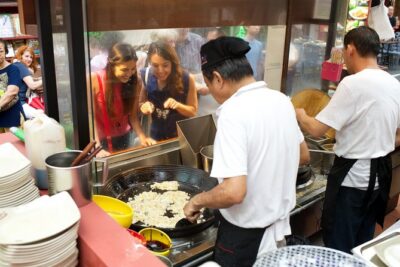
Small Group: Michelin and Local Hawker Food Tour with 9 tastings
Read our review →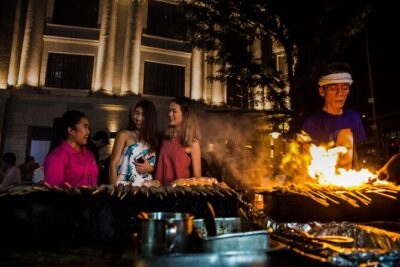
Small Group: Singapore Street Food & Night Tour with 9 tastings
Read our review →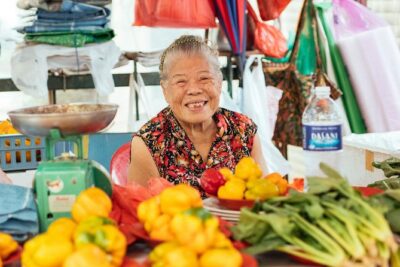
The Award-Winning PRIVATE Food Tour: 10 Tastings of 3 Cultures
Read our review →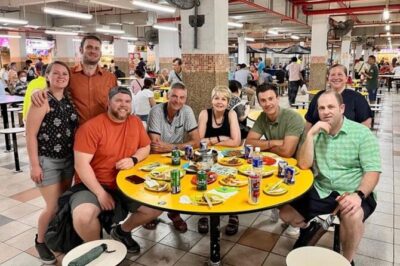
Chinese, Indian & Arabic Quarters, Culture & Food Tour
Read our review →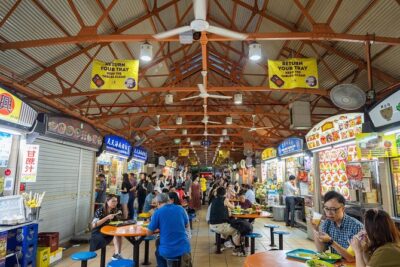
Chinatown Hawker Market Food Tour with 7 Food Tastings
Read our review →Browse the lists this tour appears in