
Reviewed · HAWKER & STREET FOOD TOURS
Singapore: Street Food & Ethnic Quarters Kick Scooter Tour
Singapore’s best food stories are often found between the famous sights. This evening kick scooter tour links six ethnic quarters with seven local foods, taking you from Little India to Kampong Glam by way of temples, hawker stalls, old shophouses, and grand civic buildings. I like the smart route and the chance to cover about 5.7 km without spending the evening in taxis.
I also like the vegetarian-friendly tasting plan, which includes dosai, popiah, chwee kway, muah chee, bubur pulut hitam, pisang goreng, and masala tea. Guide Ping has earned especially strong praise for her warm, personal approach and deep local knowledge. The main consideration is the scooter itself: you need reasonable fitness and balance, and walking may replace riding in poor weather.
In This Review
- Key points
- Why this route works so well in Singapore
- Little India begins with color and spice
- From Bugis temples to hawker food
- Churches, CHIJMES, and the civic centre
- Kampong Glam finishes with sweets and mosque views
- What you eat during the three and a half hours
- Ping’s guiding style matters
- The real value of the $54 price
- Who should book this scooter tour
- Should you book it?
- FAQ
- Where does the kick scooter tour start?
- Where does the tour finish?
- How long does the experience last?
- How far do participants ride?
- What food and drinks are included?
- Is the tour suitable for children?
- What should I bring?
- Can I cancel the booking?
Key points
- Seven local tastes: Try dosai with chutneys and masala tea, plus Chinese, Malay, and hawker-centre favorites.
- A 5.7 km city crossing: The kick scooter lets you connect Little India, the civic district, Bugis, and Kampong Glam in one evening.
- Six cultural quarters: See places linked with Indian, Chinese, Malay, Muslim, Jewish, and European communities.
- Ping as your guide: Her friendly, personal style has made the tour particularly memorable for several participants.
- An evening schedule: The cooler air and city lights make the timing pleasant, though food stops and sightseeing keep the pace active.
- Know your limits: Children under 8, pregnant women, and anyone over 220 pounds or 100 kilograms cannot join.
Why this route works so well in Singapore
Singapore can feel compact on a map, yet its cultural districts are spread across several busy parts of the central city. This tour solves that problem with a kick scooter. You move quickly enough to connect places that would be tiring on foot, but slowly enough to stop for food, photos, and short explanations.
The route begins at Little India MRT Station Exit E and ends at 73 Dunlop Street. That point-to-point design is useful. You do not finish where you started, so you can continue your evening in Little India, Kampong Glam, or nearby central Singapore without retracing the route.
The tour lasts 210 minutes, or three and a half hours. That is long enough for a serious introduction to Singapore’s food and communities, but it is not a quick snack crawl. You’ll spend portions of the evening riding, standing, eating, and listening. Wear shoes you can comfortably use for the full outing and bring water.
The kick scooter is not an electric scooter. You provide the movement, so balance matters. The distance is moderate, but the route includes city streets and a number of stops. If you are comfortable on a scooter and enjoy active sightseeing, the format should feel lively. If you prefer a slow, seated food tour, this may not be the right choice.
More hawker centres and street food walks:
- Small Group: Michelin and Local Hawker Food Tour with 9 tastings
★ 5.0 · 1,890 reviews - Small Group: Singapore Street Food & Night Tour with 9 tastings
★ 5.0 · 1,240 reviews - The Award-Winning PRIVATE Food Tour: 10 Tastings of 3 Cultures
★ 4.5 · 1,017 reviews
Little India begins with color and spice
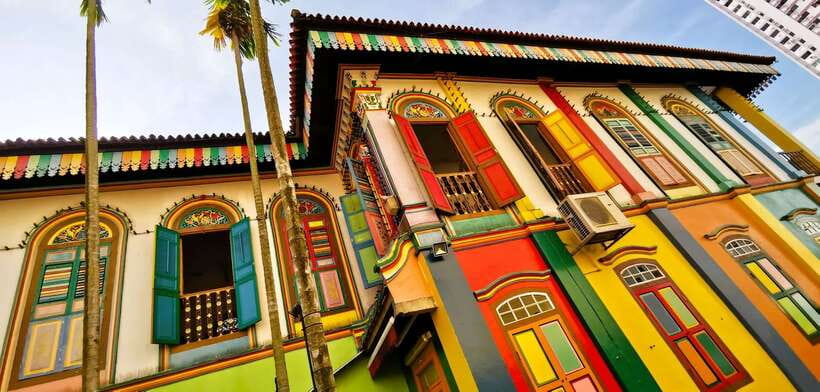
Meet at Little India MRT Station Exit E, at street level. From there, the first stop is Tan Teng Niah, a colorful former house that makes an immediate photo stop and sets the tone for the evening. The route quickly shows that Singapore’s cultural quarters are not museum displays. They are working neighborhoods with shops, food businesses, places of worship, and daily city traffic.
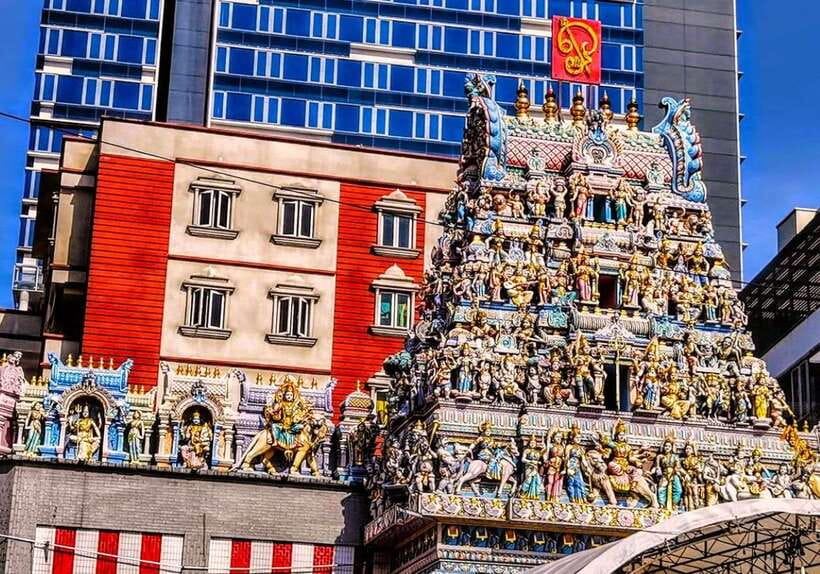
Next comes Sri Veeramakaliamman Temple, one of Little India’s key religious landmarks. The stop is brief, about 10 minutes, but it gives Ping a chance to explain local religious traditions and the role of the district’s Indian community. You should dress in a way that feels respectful around religious buildings, even when the visit is mainly outside for photographs.
The first major tasting takes place at Komala Vilas Restaurant. You’ll have tea, dinner, street food, and a tasting here, with about 40 minutes allowed. The highlight is a dosai cone, described as especially photogenic, served with chutneys and masala tea. Dosai is a crisp, thin South Indian crepe, and the cone shape makes this more memorable than a standard restaurant serving.
This is a good first meal because it gives you time to sit, taste, and ask questions before the ride moves on. If you have vegetarian dietary needs, tell the guide clearly at the start. The tour is designed to be vegetarian-friendly, and Ping has accommodated vegetarian participants personally, but clear communication is still sensible.
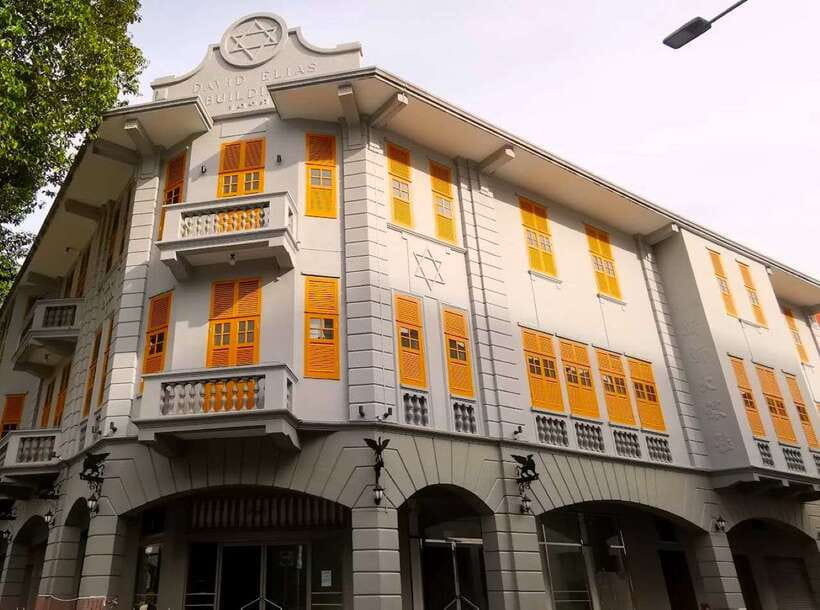
Campbell Lane follows, with a 10-minute stop. This short stretch helps you see Little India beyond one restaurant and one temple. The route then reaches the David Elias Building, a photo stop tied to Singapore’s Jewish quarter. The information provided does not promise an extended visit inside, so think of this as a quick architectural and cultural marker rather than a museum tour.
From Bugis temples to hawker food
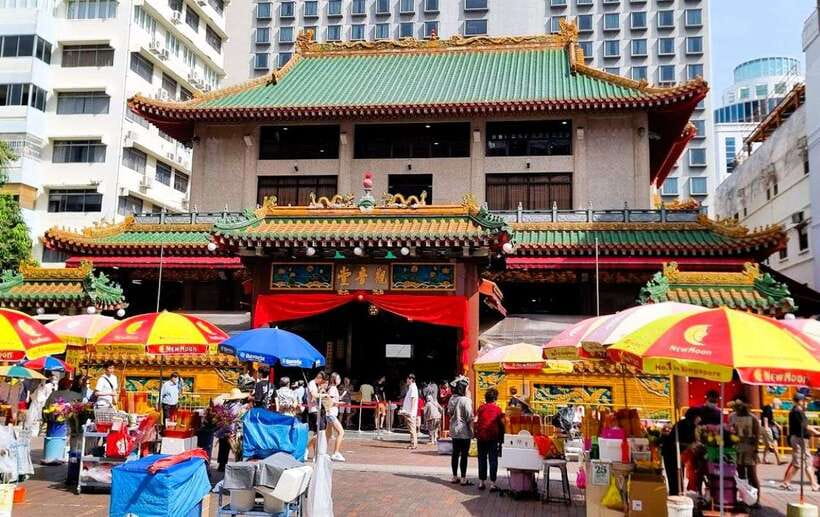
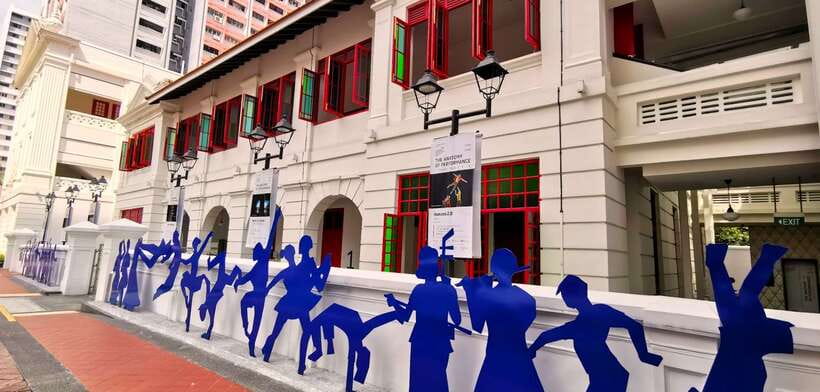
The next part of the route shifts toward the Bugis area. At Stamford Arts Centre, you’ll pause for about five minutes. Then come two very different religious landmarks: Sri Krishnan Temple and Kwan Im Thong Hood Cho Temple. Each stop is short, only around two minutes, but together they show how several faiths occupy the same central district.
Sri Krishnan Temple is a Hindu site, while Kwan Im Thong Hood Cho Temple is associated with Chinese Buddhist worship. You may not have time for a long visit at either one, but Ping’s explanations help turn quick photo stops into a connected story about Singapore’s religious mix.
The main food break at Albert Centre lasts about 30 minutes. This is where the tour’s hawker-centre character comes through. You’ll sample local snacks and dinner items, including freshly made popiah, chwee kway, and muah chee.
Popiah is a soft Chinese spring roll filled with savory ingredients. Chwee kway is steamed rice pudding topped with salted radish and spicy sambal, a small dish with a strong contrast of mild rice, salty topping, and chili heat. Muah chee consists of chewy glutinous rice pieces rolled in crushed peanuts and sugar. It is simple, sweet, and satisfying.
The food is not just fuel for the scooter ride. These small portions let you compare textures and cooking traditions without committing to one large meal. You’ll also get a better sense of how Singapore’s food culture works: many local specialties are inexpensive, shared, and found in everyday food centres rather than formal dining rooms.
Bugis Street comes next, with a short photo and shopping stop. Five minutes is enough to take in the atmosphere, but not enough for serious browsing. Bugis Junction follows, also for about five minutes, giving you a quick look at the area’s modern retail side.
This is one of the tour’s trade-offs. You see many places, but several stops are brief. If you want to shop, inspect buildings at length, or visit every religious site inside, you will need to return on your own.
Churches, CHIJMES, and the civic centre
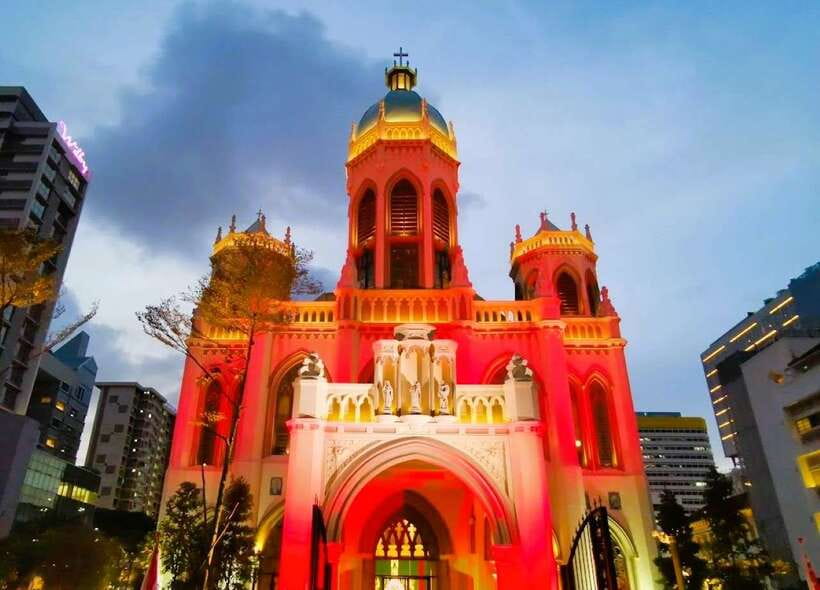
The route then passes St Joseph’s Church on Victoria Street and the Cathedral of the Good Shepherd. Each receives about two minutes for a photo and short explanation. These stops widen the story beyond Little India, Bugis, and Kampong Glam by showing Singapore’s Christian heritage and colonial-era civic setting.
CHIJMES receives a longer stop of around 10 minutes. Its former religious buildings and courtyards make it one of the more atmospheric places on the route. This is a useful pause after a series of quick landmarks, and it gives you time to take photographs without feeling rushed.
Raffles Hotel comes next, with about 20 minutes for a break, photos, guided information, and shopping. The hotel is one of Singapore’s best-known names, but the value here is not simply taking a picture outside a luxury property. It provides a contrast with the hawker centres and neighborhood lanes you have just visited.
You will have a chance to rest, and the guide can place the hotel within the larger story of central Singapore. Shopping is listed, but do not expect a long retail session. The stop is better viewed as a pause and a chance to see one of the city’s grandest addresses.
By this point, the scooter format proves its value. On foot, connecting Little India, Albert Centre, Bugis, the churches, CHIJMES, and Raffles Hotel would take much longer. The ride also keeps you outdoors, where you can feel the evening air and see the change from local market streets to formal city buildings.
A few more Singapore days out worth weighing up
- Singapore: Kampong Glam & Civic District Vespa Sidecar Ride
★ 4.9 · 49 reviews - Singapore: Sunset City Tour by Kick Scooter
★ 4.9 · 23 reviews - Secrets of Singapore Kick Scooter Tour with Dinner
★ 5.0 · 11 reviews - Secrets of Singapore Kick Scooter Tour with Dinner
★ 5.0 · 11 reviews
Kampong Glam finishes with sweets and mosque views
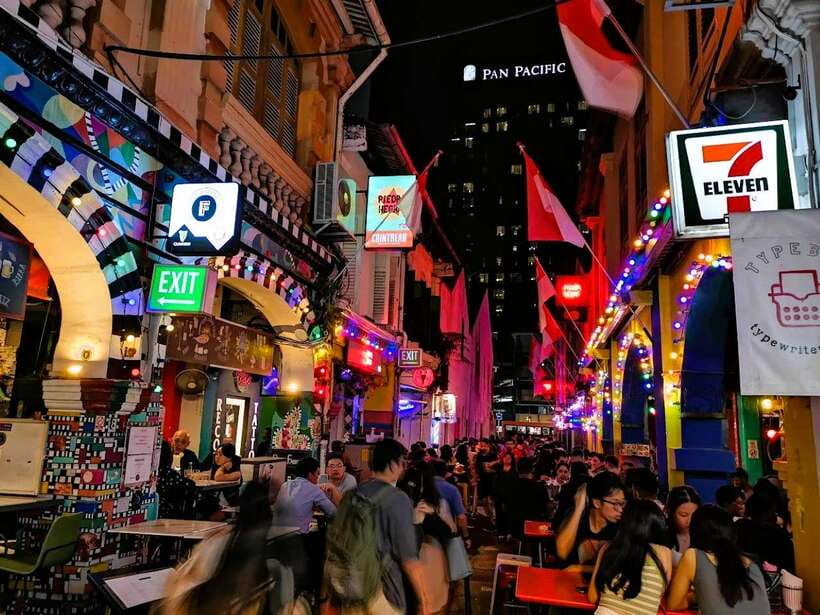
The final section brings you into Kampong Glam, one of the most visually distinctive parts of the route. Haji Lane is a 10-minute stop for dessert, street food, photos, and a guided look at the area. Its compact lane and street art make it a natural place for pictures, while the food tasting gives you another change in flavor and texture.
The Malay-style tasting includes pisang goreng, or crispy banana fritters. You’ll also try bubur pulut hitam, a black glutinous rice dessert served with coconut cream. The dessert course is a good way to end the food side of the tour, especially after the savory dishes at Komala Vilas and Albert Centre.
Sultan Mosque follows with about five minutes for a photo and explanation. Its large dome and prominent position make it an important visual anchor for Kampong Glam. Bussorah Street comes last, with a two-minute stop before the tour finishes at 73 Dunlop Street.
The final location is convenient for continuing into the district, but it is not the original meeting point. You will need to arrange your own way back to your hotel. No hotel pickup or drop-off is included, so check the map before booking if you are staying far from central Singapore.
What you eat during the three and a half hours
The tour includes seven types of local street food or drink. The supplied food details name the following:
- Dosai cone with chutneys
- Masala tea
- Popiah
- Chwee kway with salted radish and sambal
- Muah chee with crushed peanuts and sugar
- Bubur pulut hitam with coconut cream
- Pisang goreng
The portions are intended as tastings, not seven full restaurant meals. That is a plus for anyone who wants variety. You can sample foods from Indian, Chinese, and Malay traditions in one evening, without spending extra time deciding where to eat.
There are also a few practical food points. Chwee kway includes spicy sambal, and the desserts contain peanuts or coconut-based ingredients. If you have allergies or strict dietary needs, speak with Ping before eating. Vegetarian-friendly does not automatically mean suitable for every allergy or religious diet.
Because the tour is active, the food schedule matters. You will not simply sit in one hawker centre for hours. You eat, listen, ride, and stop again. Bring water, particularly if you do not usually exercise in Singapore’s warm climate.
Ping’s guiding style matters
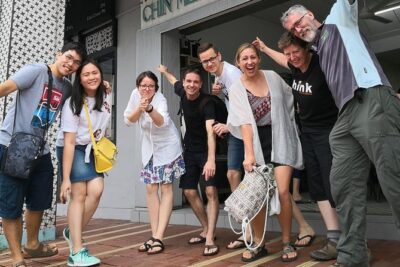
A strong guide makes a route like this work. Several participants singled out Ping for her friendly manner, clear explanations, and ability to adjust the experience. When a family of four joined, the scooter ride became part of the fun, with everyone trying to keep up and laughing along the way.
The tour can also feel personal when the group is small. One couple had a private-feeling outing with Ping, while another family received help with vegetarian requirements. You should not assume every departure will be private, but the guide’s willingness to adapt is a meaningful advantage.
Ping’s role is especially important at the short stops. Two minutes at a building or temple can otherwise feel like a glance from the street. Her explanations give those stops a reason to be there, linking the architecture and religious sites to Singapore’s multicultural development.
The experience is offered in English with a licensed tour guide. If you want a silent ride with only food stops, this is not the format. The cultural explanations are a central part of the evening.
The real value of the $54 price
At $54 per person, the tour costs more than simply eating seven inexpensive snacks on your own. You are paying for the scooter rental, a licensed English-speaking guide, seven food and drink tastings, and a carefully connected route through central Singapore.
The strongest value comes from combining transportation and interpretation. You could visit Little India, Bugis, CHIJMES, Raffles Hotel, and Kampong Glam independently, but you would need to plan the route, find the foods, manage the timing, and understand what you are seeing. This tour handles that work in one evening.
It is less valuable for someone who already knows Singapore’s central districts well or wants large portions. The food is a tasting experience, and the sightseeing is brisk. For a first or second visit, though, the mix of movement, food, and local stories makes the price reasonable.
Free cancellation up to 24 hours before the start and reserve-now, pay-later booking also reduce the risk of committing too early. A disposable poncho is provided if the weather turns wet, though you should still dress for Singapore’s heat and bring water.
Who should book this scooter tour
I would recommend it most strongly to adults and older children who enjoy active sightseeing and want a fast introduction to Singapore’s food traditions. It suits solo visitors, couples, and families who like doing something more involved than a standard walking tour.
It is also a good choice for vegetarians. The food plan is designed around vegetarian-friendly dishes, and Ping has shown care with dietary requests. You should still explain allergies and restrictions before the first tasting.
This is not suitable for children under 8, pregnant women, or people over 220 pounds, or 100 kilograms. You also need reasonable fitness and a sense of balance. If the weather makes riding impractical, the outing may be done on foot, as happened during one weather-affected experience. That can still work, but you will lose the main advantage of the scooter.
Should you book it?

Book this tour if you want to eat across several communities while covering a lot of central Singapore in one evening. The route is thoughtfully packed, the food selection gives you real variety, and Ping’s personal guiding style adds value to the short cultural stops.
Skip it if you want a slow food crawl, substantial sit-down meals, or long visits inside every temple and landmark. For everyone else, $54 is a fair price for the transport, tastings, guide, and three-and-a-half-hour introduction to Little India, Bugis, the civic centre, and Kampong Glam.
FAQ
Where does the kick scooter tour start?
It starts at Little India MRT Station Exit E, at street level.
Where does the tour finish?
The tour finishes at 73 Dunlop Street.
How long does the experience last?
The tour lasts 210 minutes, or three and a half hours.
How far do participants ride?
Participants ride for about 5.7 km on kick scooters.
What food and drinks are included?
The experience includes seven types of vegetarian-friendly local food or drink, including dosai with chutneys, masala tea, popiah, chwee kway, muah chee, bubur pulut hitam, and pisang goreng.
Is the tour suitable for children?
Children under 8 years old cannot participate. Participants also need reasonable fitness and a sense of balance.
What should I bring?
Bring water and comfortable shoes. A disposable poncho is provided during inclement weather.
Can I cancel the booking?
You can cancel up to 24 hours in advance for a full refund. Reserve-now, pay-later booking is also available.
Just added around Singapore
- Skyline Luge and Sky Ride Ticket Sentosa Singapore★ 3.5 · 3 reviews
- Marina Bay Sands SkyPark Observation Deck ticket in Singapore★ 4.0 · 3 reviews
- Singapore Private Full-Day Sightseeing Tour★ 5.0 · 3 reviews
- Singapore: Food and Bike Tour – Downtown★ 4.6 · 3 reviews
- Singapore: Chinatown Street Food Tour★ 5.0 · 3 reviews
- Learn to cook authentic Peranakan food with local market tour★ 3.5 · 3 reviews
- Singapore Brompton Bike Tour from Rail Corridor, with food!★ 5.0 · 3 reviews
- Guided Walking Tour to the Historical Attractions in Farrer Park★ 5.0 · 3 reviews
Hawker & Street Food Tours, compared.
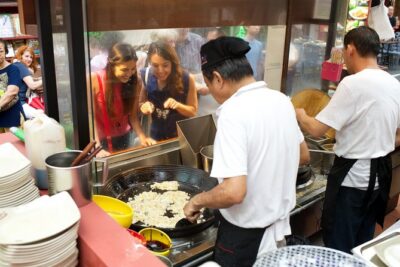
Small Group: Michelin and Local Hawker Food Tour with 9 tastings
Read our review →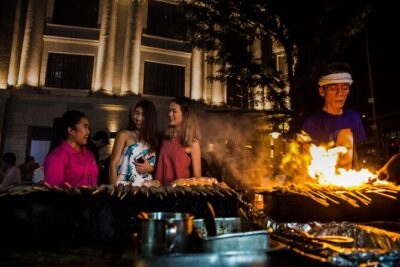
Small Group: Singapore Street Food & Night Tour with 9 tastings
Read our review →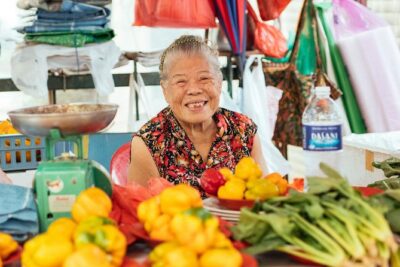
The Award-Winning PRIVATE Food Tour: 10 Tastings of 3 Cultures
Read our review →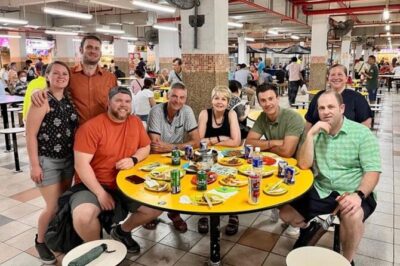
Chinese, Indian & Arabic Quarters, Culture & Food Tour
Read our review →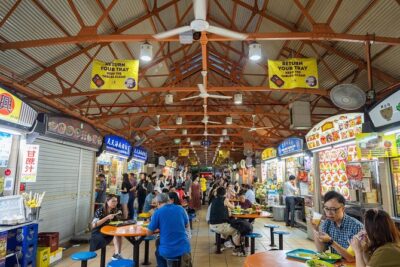
Small-Group Food Tour With Hawker Center: Eat Like A Local
Read our review →
Browse the lists this tour appears in