
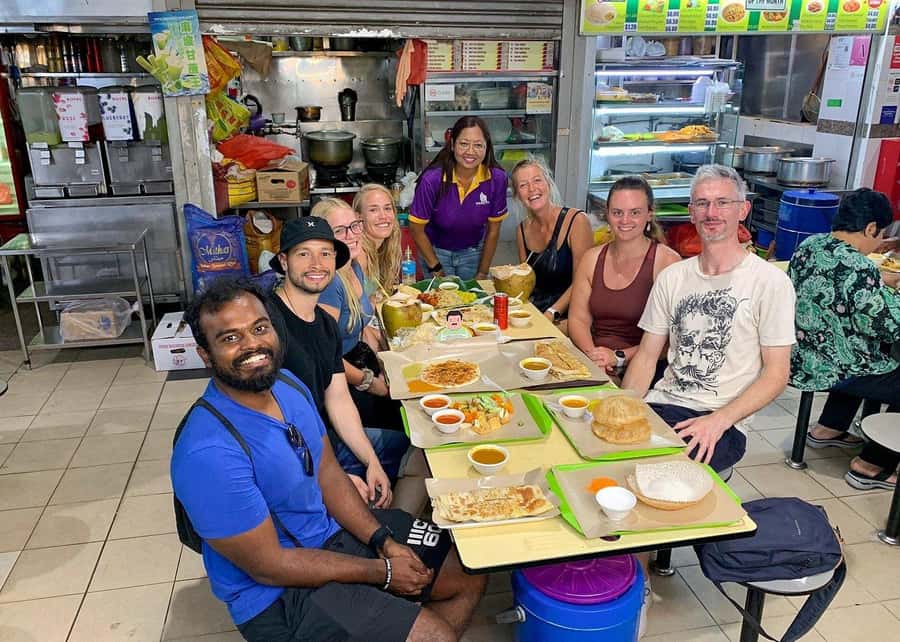
Reviewed · WALKING TOURS
Singapore: Private Food & Heritage Walking Tour
Singapore’s food culture makes the city easiest to understand one bite at a time. This six-hour walk links Chinatown, Little India, and Kampong Glam, with local dishes, public transport, community stories, and a short river cruise along the way. It is a good way to see how several cultures shape one compact city.
I like the generous food selection, usually nine to ten dishes and drinks, and I like the way the tour gets you onto the MRT and buses instead of keeping you in a private vehicle. Guides such as Rayney, Bryan, and Leo have been praised for explaining the food and history clearly. The main catch is simple: you need to walk quite a bit, and this is not a good match for food allergies or strict dietary needs.
In This Review
- Key points to know before you book
- Why this six-hour food walk works well in Singapore
- Starting at Chinatown MRT Station
- Eating your way through Chinatown
- Riding the MRT and bus like a local
- Little India and the flavors of Arab Street
- Kampong Glam and Singapore’s layered identity
- The river cruise adds a welcome change of pace
- What the $196 price includes
- The guides can shape the day
- Who should book this experience
- Practical tips for a smoother six hours
- Should you book the Singapore food and heritage walk?
- FAQ
- Where does the Singapore food and heritage tour start?
- Where does the tour finish?
- How long does the experience last?
- How many foods and drinks are included?
- Is public transport included?
- Is the tour suitable for people with food allergies or mobility needs?
Key points to know before you book
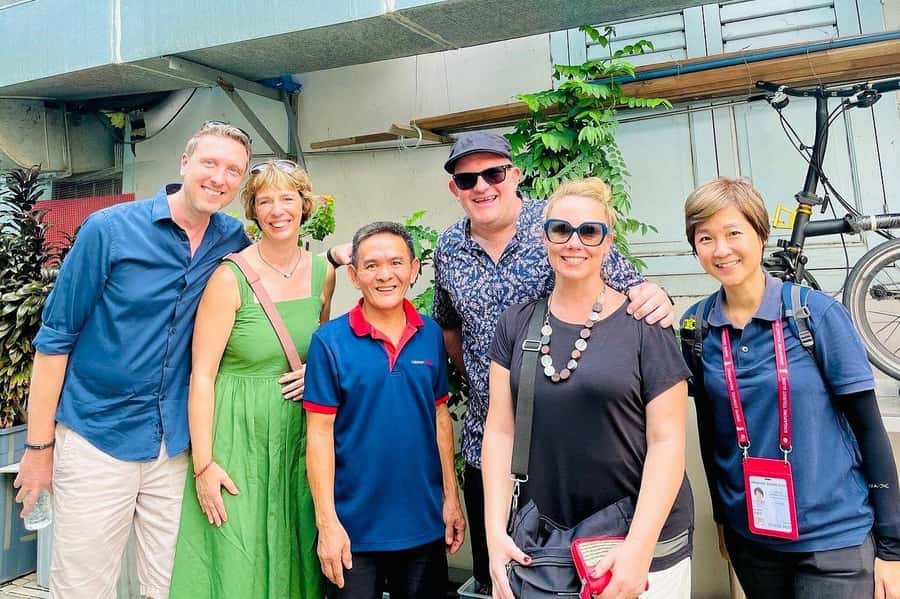
- Three major ethnic quarters in one day: Chinatown, Little India, and Kampong Glam each bring a different food tradition and cultural story.
- A proper tasting session: Expect 9 to 10 local dishes and drinks, including a stop at Maxwell Food Centre and Indian food at Zam Zam on Arab Street.
- Public transport is part of the experience: You travel by MRT and bus, giving you a look at everyday Singapore beyond the main sights.
- Guides add the context: Rayney, Bryan, and Leo have led past tours with a strong focus on food, history, and local communities.
- River cruise included: The tour also includes admission for a river cruise, adding a change of pace after the walking and eating.
- Plan for heat and rain: The tour operates in all weather, with outdoor walking, so bring water, an umbrella, or a poncho.
Why this six-hour food walk works well in Singapore
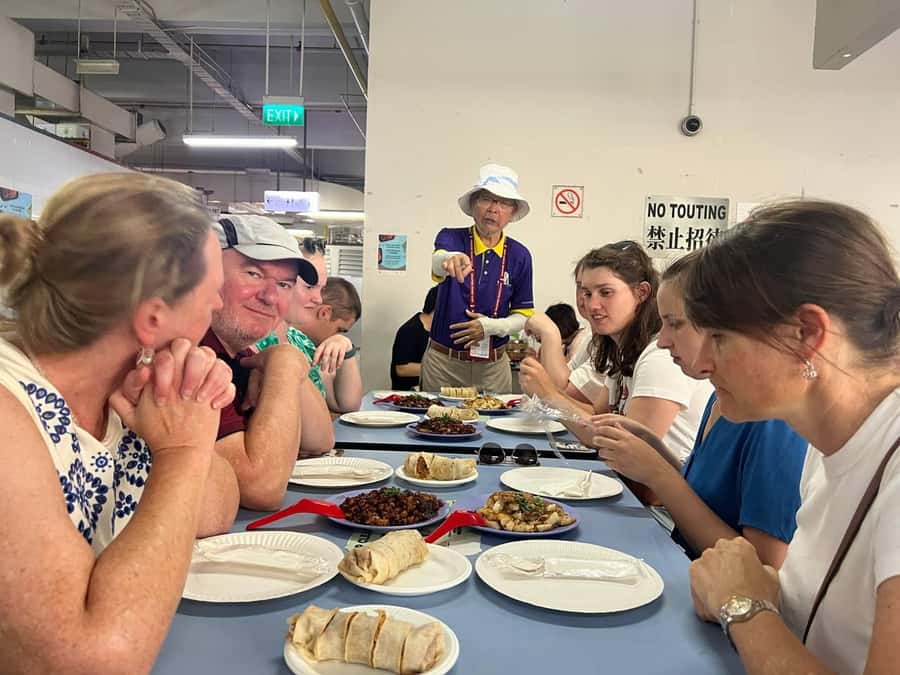
Singapore can feel polished and easy to navigate, but its most interesting stories often sit behind food stalls, temples, shophouses, and family-run eateries. This tour gives you a framework for reading those places. Instead of only looking at buildings, you learn how migration, religion, trade, and daily life shaped the neighborhoods around them.
The route focuses on the city’s three best-known ethnic quarters. Chinatown brings one set of traditions, Little India another, and Kampong Glam a third. The point is not just to collect meals. Your guide explains what you are eating, where the dish fits into local culture, and why a particular neighborhood became associated with that food.
That extra explanation matters. A plate at a food center can look unfamiliar, and it is easy to taste it without understanding it. The guide helps you pay attention to ingredients, preparation, and local habits. The food becomes a way into the city rather than a series of disconnected snacks.
The tour also suits a first full day in Singapore. One previous participant specifically found it useful to take the tour at the start of a stay, then use the food knowledge and neighborhood tips afterward. I agree with that approach. If you book it early, you can return to the areas you liked and make better choices on your own.
More history and heritage around Singapore:
- Historical Singapore Bike Tour on Full-Sized Bicycles
★ 5.0 · 1,421 reviews - Singapore: Historical Half-Day Bike Tour
★ 4.8 · 399 reviews - Singapore Private Food, Culture and Heritage Tour with 9 tastings
★ 5.0 · 394 reviews
Starting at Chinatown MRT Station
The meeting point is Chinatown MRT Station, Exit A, at street level. Look for the guide wearing a purple Monster Day Tours shirt. The precise meeting arrangement matters in Singapore because transport stations can have several exits, and Chinatown’s streets become confusing once you are above ground.
Arrive early. The tour moves through several districts and uses public transport, so a late start can affect the whole group. You do not need hotel transportation because you make your own way to the station, and the tour finishes back at the same meeting point.
Chinatown is a practical opening stop because it gives your guide a place to discuss Singapore’s Chinese community, local food customs, and the role of traditional neighborhoods in a modern city. You can expect street-level stories rather than only landmark facts. The focus is on how people live, eat, work, and gather.
The tour’s pace is likely to feel active. You will be walking outdoors, stopping to eat, listening to explanations, and moving between locations. Wear shoes you can use comfortably for several hours. Sandals or formal footwear may become tiresome before the day is over.
Eating your way through Chinatown
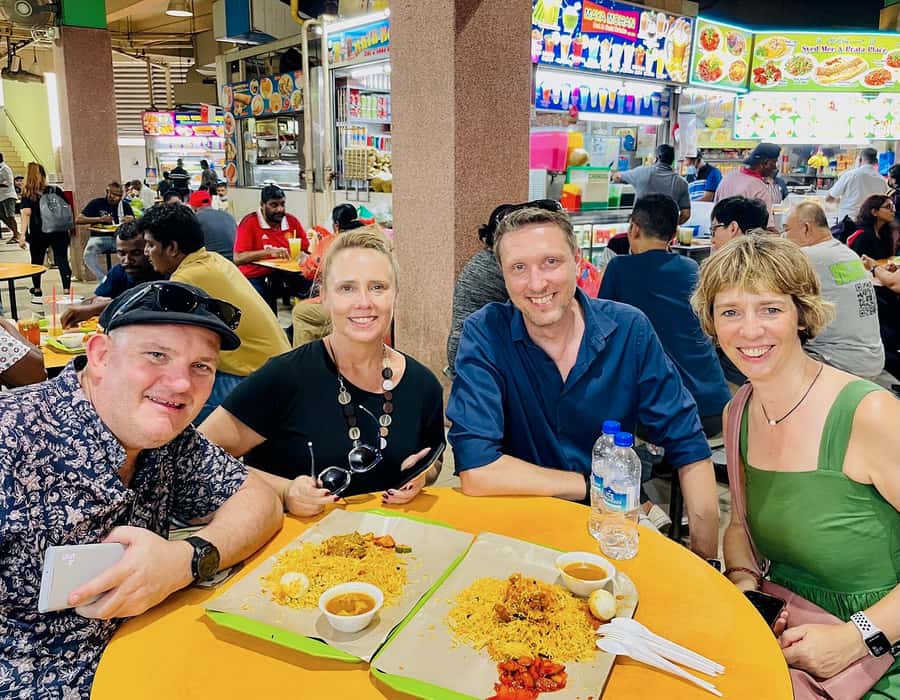
The Chinatown portion includes a visit to Maxwell Food Centre, one of the clearest places to see Singapore’s hawker culture in action. A food center brings many stalls together under one roof, allowing the guide to arrange several tastes without sending you across the city for every dish.
This is where the food format becomes especially useful. Rather than ordering one large meal, you sample several items. That gives you a broader sense of Singaporean cooking and lets your guide compare flavors, ingredients, and preparation methods as you go.
One guide, Rayney, was especially praised for bringing a wide selection of food at Maxwell Food Centre and explaining each item in an entertaining way. You should expect the guide to help with the culinary details, not simply point at a plate and name it. The tour description also promises challenges to your food knowledge, so there is a playful element to identifying or understanding what you are eating.
The exact dishes can vary, and the information does not provide a fixed menu. That is worth remembering if you want to plan around specific foods. You are paying for a broad local tasting, not a guaranteed list of named dishes.
The food center is also a good test of your comfort level. If you like trying unfamiliar food in small portions, the format is strong. If you prefer to choose every ingredient yourself, it may feel less flexible.
Riding the MRT and bus like a local
Public transport is not just a way to fill the gaps between stops. It is part of the experience. You ride the MRT and bus with your guide, mingling with people going about their normal routines rather than sitting in a private vehicle.
That makes the day feel more connected to ordinary Singapore. You see how quickly the city’s districts link together, and you get a practical introduction to a transport system you may use later. The included transport also means you do not need to budget separately for the listed MRT and bus rides.
Your guide can point out the change in surroundings as you move from Chinatown toward Little India and Kampong Glam. Singapore is compact, but its neighborhoods do not all feel the same. Traveling between them helps you notice those shifts.
There is a small tradeoff. Public transport requires standing, station walking, and keeping up with the group. If you have trouble walking or need frequent rest breaks, this tour may be tiring. It is specifically not suitable for people who require walking assistance.
More walking tours around Singapore:
- Singapore: Private Walking Tour with a Local
★ 4.7 · 410 reviews - Private Customised Singapore Walking Tour
★ 5.0 · 370 reviews - Singapore: Chinatown, Little India, Arab Street Walking Tour
★ 4.9 · 207 reviews - Singapore: Chinatown and Little India Guided Walking Tour
★ 4.8 · 190 reviews
Little India and the flavors of Arab Street
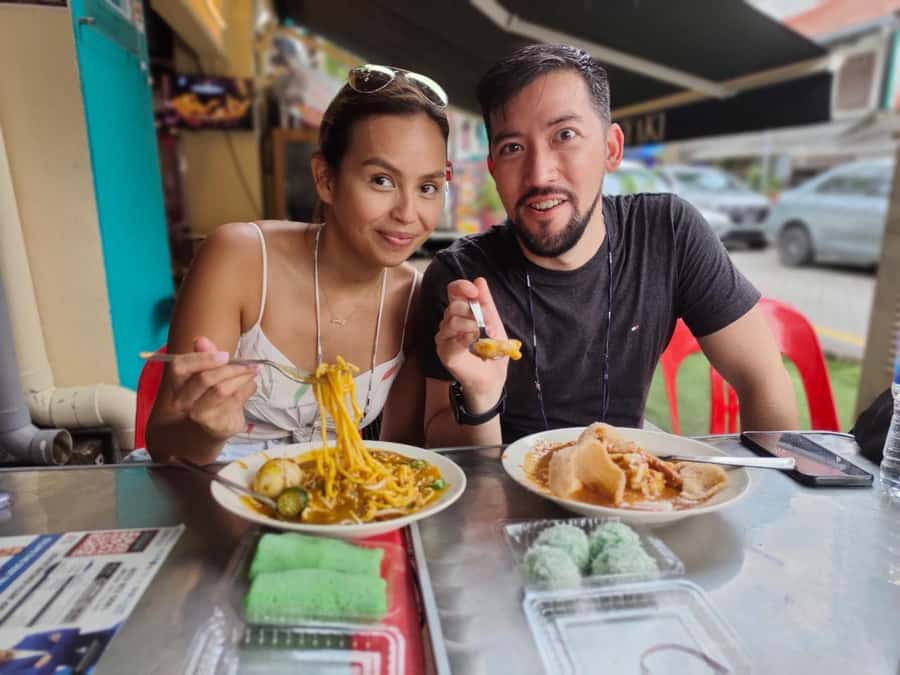
Little India adds another layer of Singapore’s food and cultural story. Here, your guide discusses the local Indian community and takes you through an area known for Indian food, religious sites, shops, and colorful streetscapes.
A named stop from the experience is Zam Zam on Arab Street, where one previous participant particularly enjoyed the Indian food. The location also connects the Little India and Kampong Glam parts of the route, making it a useful place to discuss how different communities and food traditions meet in central Singapore.
You will get more than a quick taste. The guide explains the dishes in detail and gives you the background needed to understand what makes them distinctive. That can include how people eat them, how the food relates to the community, and what to notice in the preparation, though the exact explanations depend on your guide.
This portion is likely to appeal most if you enjoy strong flavors and shared plates. Again, the menu is not fixed in the supplied details, so do not book expecting a specific item. The tour is designed around variety and local context.
Little India also adds more outdoor walking. Singapore’s heat, humidity, and sudden rain can make a short distance feel longer. Carry water, use sun protection, and bring rain gear. The tour operates rain or shine, and an umbrella or poncho is specifically advised.
Kampong Glam and Singapore’s layered identity
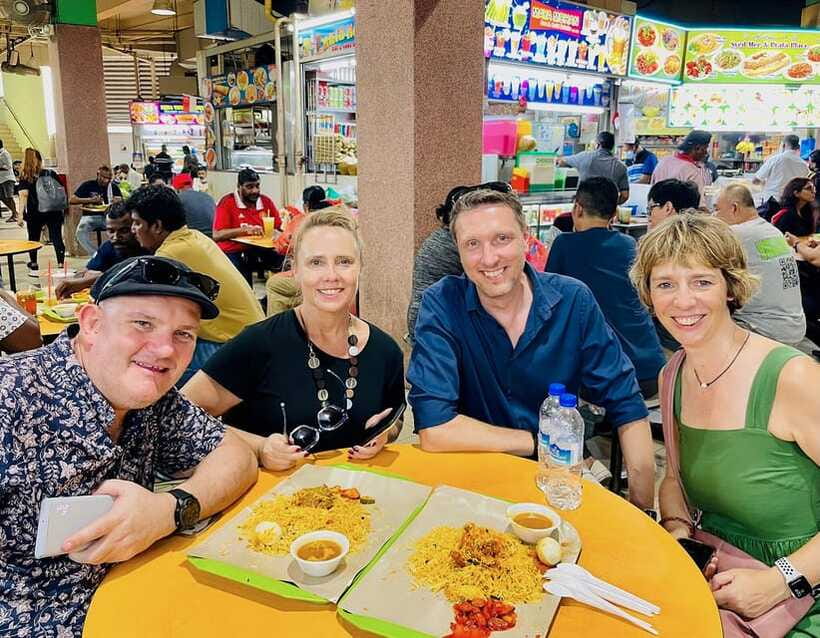
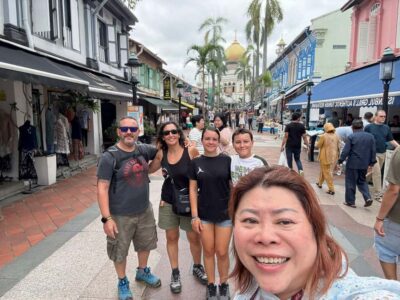
Kampong Glam gives the tour a different cultural focus, with Malay and Muslim heritage forming an important part of the neighborhood’s identity. Walking here helps show that Singapore’s ethnic quarters are not museum displays. They are working communities with food, shops, religious life, and changing city surroundings.
The guide’s job is especially valuable in this section because a casual walk may leave you noticing only the most colorful facades. You get stories about the local community and the historical forces that shaped the area. The tour promises attention to arts and historical landmarks as well as food, so the route is not limited to restaurant stops.
This balance is one of the tour’s best features. You are not spending six hours seated at tables, and you are not spending six hours listening to a history lecture. The food keeps the day lively, while the heritage explanations give the stops meaning.
The tradeoff is time. Three neighborhoods, multiple tastings, public transport, and a river cruise make for a full schedule. You should not expect long, unhurried visits at every landmark. The tour gives you an overview with useful context, then leaves you to return later if a particular area catches your interest.
The river cruise adds a welcome change of pace
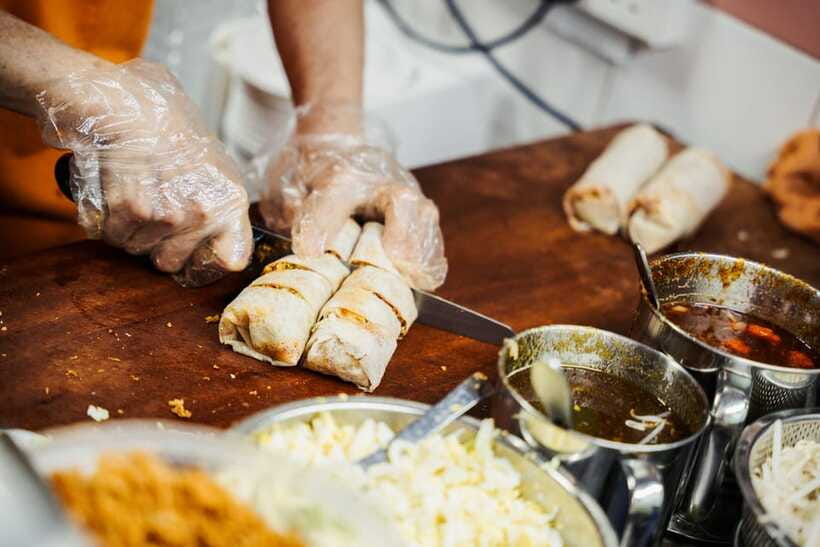
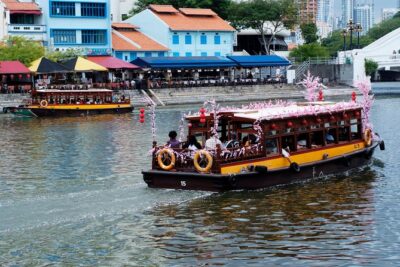
Admission to a river cruise is included, which breaks up the walking and gives you another way to view Singapore. After several food stops and neighborhood walks, sitting back on the water can be a pleasant reset.
The cruise also fits the tour’s wider theme. Singapore’s river helped shape its trade and urban development, so seeing the city from the water connects the food and heritage stories to the city’s commercial past.
The supplied details do not specify the cruise duration or exact boarding point, so you should not plan your day around a particular departure time. Your guide handles the route as part of the six-hour experience. Think of the cruise as one included component of a larger day, not as the main event.
What the $196 price includes
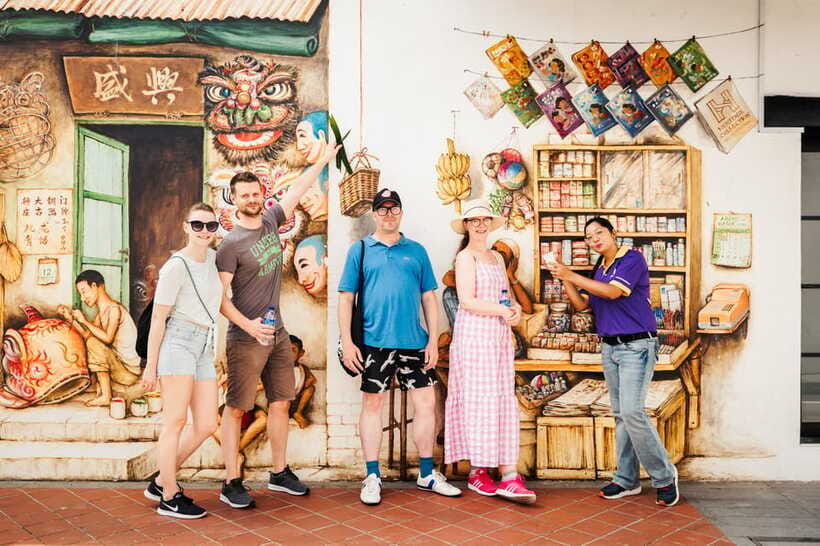
At $196 per person, this is not a cheap food crawl. The value depends on how much structure and explanation you want.
The price includes an English-speaking local guide, 9 to 10 local dishes and drinks, MRT and bus transport, taxes and handling charges, and admission to the river cruise. When you add up the food, transport, cruise, and six hours of guiding, the price becomes easier to justify for someone who wants a full introduction without planning each stop.
The strongest value is the guide’s local knowledge. You could visit Chinatown, Little India, and Kampong Glam on your own, and you could eat for less. But doing that would require choosing the right stalls, ordering enough variety, understanding what you are tasting, and connecting the districts through their history.
I would see this as a good-value splurge for a first visit, especially if you are short on time. It is less attractive if your main goal is simply to eat as cheaply as possible or if you already know Singapore’s hawker centers well.
Optional food, extra drinks, personal spending, and a tip for the guide are not included. Bring some extra money if you want something beyond the arranged tastings.
The guides can shape the day
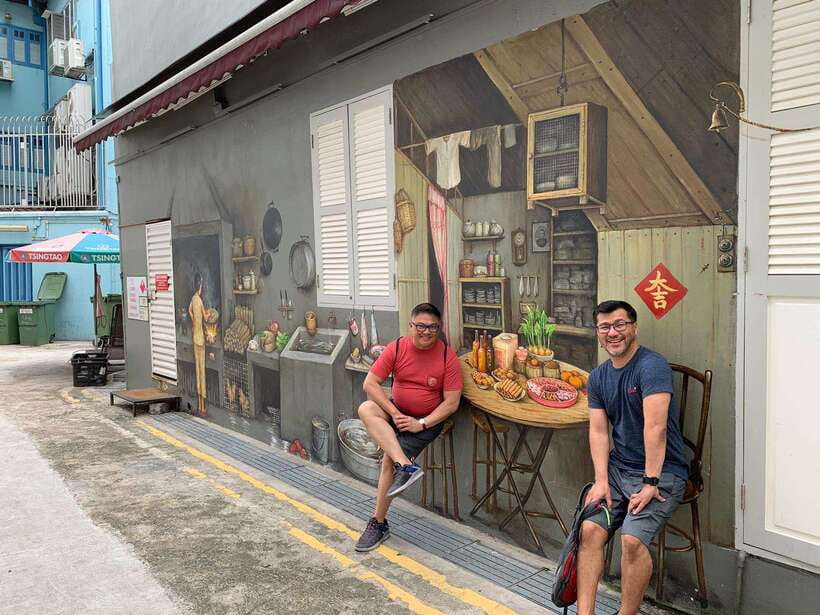
The experience is sold with an English-speaking local guide, and past guide names include Rayney, Bryan, and Leo. Rayney was singled out for entertaining explanations and a generous spread at Maxwell Food Centre. Bryan was valued for easy conversation and for leaving extra Singapore recommendations after the tour. Leo was praised for explaining Singapore’s history and culture clearly.
You may not receive one of those specific guides, so I would not book on the assumption that a particular person will lead your date. Still, these examples show what the tour is aiming for: a guide who can explain food, connect it to community life, and offer useful ideas for the rest of your stay.
The best guide for this format does more than recite facts. You want someone who can answer questions, explain unfamiliar dishes, and help the group feel comfortable on public transport. The available feedback points strongly in that direction.
Who should book this experience
I would recommend this tour to:
- First-time visitors who want a quick introduction to several Singapore neighborhoods
- Food lovers who enjoy tasting many small portions
- Solo visitors who want company and local conversation
- Couples or families with older children who can manage a full day of walking
- Anyone who wants practical help using Singapore’s MRT and bus network
- Visitors who like history best when it is connected to everyday food and neighborhoods
Children aged 3 to 12 are counted as children, and infants under 3 can travel free. The day may still be demanding for very young children because of the walking, heat, transfers, and meal schedule.
I would not choose it if you use a wheelchair, require walking assistance, or have food allergies. The experience is not wheelchair accessible and is not suitable for people with food allergies or dietary restrictions. The food is central to the tour, and there is no promise of a customized menu.
Practical tips for a smoother six hours
Wear comfortable casual clothes and proper walking shoes. Bring water, an umbrella or poncho, and rain gear even if the forecast looks clear. Singapore’s weather can change quickly, and the tour continues in wet conditions.
A face mask or protective covering is also listed among the recommended items. Keep your belongings easy to carry because you will move through stations, buses, streets, and food stops.
Be punctual at Chinatown MRT Station, Exit A. Look for the purple Monster Day Tours shirt at street level, not just somewhere inside the station.
Finally, avoid scheduling a tight activity immediately afterward. The tour lasts six hours, and public transport, food stops, and weather can affect the pace. If you need flexibility, the booking terms allow cancellation up to 24 hours in advance for a full refund, and you can reserve now and pay later.
Should you book the Singapore food and heritage walk?
Book it if you want Singapore explained through its food, neighborhoods, and local transport rather than through a checklist of major sights. The combination of Maxwell Food Centre, Zam Zam, Chinatown, Little India, Kampong Glam, public transport, and a river cruise gives you a lot in one day.
Skip it if you have serious dietary restrictions, dislike walking in heat or rain, or prefer to choose every meal yourself. At $196, the tour is a guided introduction rather than a bargain meal outing.
For a first visit, I would take it early in the trip. You get a useful map of the city, a better sense of what to order, and practical recommendations from a local guide. That is the real payoff: after six hours, Singapore’s food quarters should feel easier to understand and easier to explore on your own.
FAQ
Where does the Singapore food and heritage tour start?
The tour starts at Chinatown MRT Station, Exit A, at street level. Look for the guide wearing a purple Monster Day Tours shirt.
Where does the tour finish?
The activity ends back at the Chinatown MRT Station meeting point.
How long does the experience last?
The tour lasts six hours.
How many foods and drinks are included?
The experience includes 9 to 10 local ethnic food dishes and drinks. The exact menu is not fixed in the provided details.
Is public transport included?
Yes. MRT and bus transport are included in the tour price.
Is the tour suitable for people with food allergies or mobility needs?
No. The tour is not suitable for people with food allergies or dietary restrictions, wheelchair users, or people who require walking assistance.
Just added around Singapore
- Marina Bay Sands SkyPark Observation Deck ticket in Singapore★ 4.0 · 3 reviews
- Singapore Private Full-Day Sightseeing Tour★ 5.0 · 3 reviews
- Skyline Luge and Sky Ride Ticket Sentosa Singapore★ 3.5 · 3 reviews
- Singapore: Food and Bike Tour – Downtown★ 4.6 · 3 reviews
- Singapore: Chinatown Street Food Tour★ 5.0 · 3 reviews
- Learn to cook authentic Peranakan food with local market tour★ 3.5 · 3 reviews
- Singapore Brompton Bike Tour from Rail Corridor, with food!★ 5.0 · 3 reviews
- Guided Walking Tour to the Historical Attractions in Farrer Park★ 5.0 · 3 reviews
Walking Tours, compared.
Chinatown, Little India, Arab Street Walking Tour
Read our review →
Singapore Group History & Culture Walking Tour
Read our review →
Half Day or Full Day Private Custom Walking Tour of Singapore
Read our review →Browse the lists this tour appears in