
Reviewed · PERANAKAN HERITAGE TOURS
Singapore: Peranakan Museum Admission Ticket
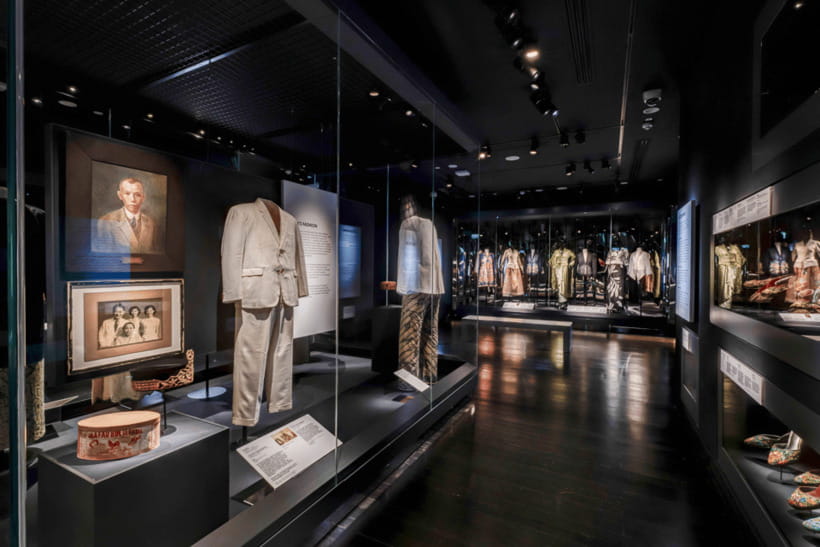
The Peranakan Museum explains how Chinese, Malay, and colonial influences came together in Southeast Asia. Its three floors move from household life and family customs to weddings, clothing, furniture, and finely worked objects such as beaded slippers and jewelry. I like the way the museum uses ordinary personal traditions alongside dazzling craftsmanship, so Peranakan culture feels lived-in rather than sealed behind glass.
I especially like the themed galleries, which give you a clear path through a complicated subject, and the personal stories and recorded demonstrations, which help explain how objects were used. The main consideration is that the $6 ticket does not include the Special Exhibitions Gallery, and the admission is non-refundable.
In This Review
- Key points before you go
- Entering the restored historic building
- Three floors that explain Peranakan life
- Wedding customs, clothing, and family rituals
- Inside the Peranakan home
- Interactive displays and recorded demonstrations
- Contemporary art beside traditional objects
- How much time should you allow?
- Is the $6 price good value?
- Who will enjoy this museum most?
- Practical details that affect your visit
- Should you book the Peranakan Museum ticket?
- FAQ
- Where do I redeem the admission ticket?
- How much does admission cost?
- How long is the ticket valid?
- What are the museum opening hours?
- Is the Special Exhibitions Gallery included?
- Do children need an admission ticket?
- Can I cancel the booking for a refund?
Key points before you go
- Three floors of Peranakan culture: Follow displays about weddings, family life, homes, clothing, and craft.
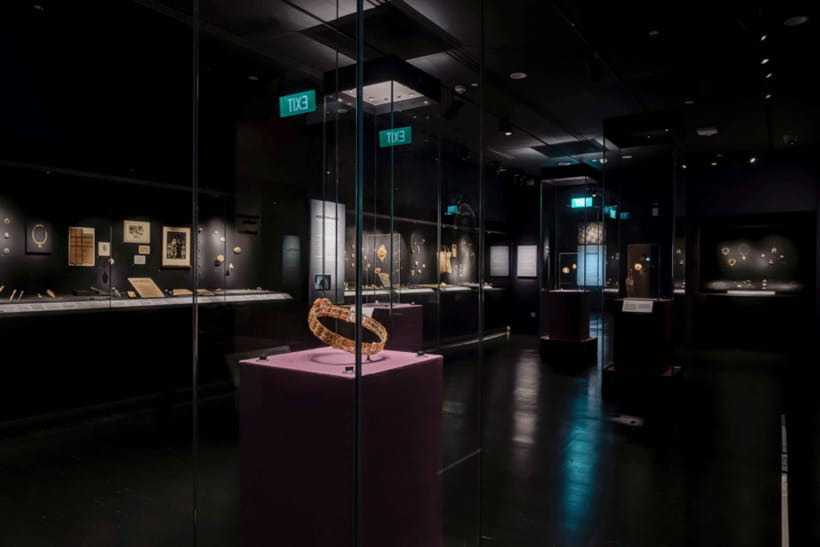
- Fine handwork up close: Look for beaded slippers, jewelry, wedding attire, and ornate furniture.
- Stories beyond the objects: Personal accounts, recorded demonstrations, and interactive displays add context.
- A useful guided option: A guided tour can make the personal backgrounds of the community easier to understand, though no guide is named or guaranteed with this ticket.
- Simple pricing: Admission costs $6 per person and is valid for one day.
- Plan around the extra charge: The Special Exhibitions Gallery is not included.
Entering the restored historic building
Your visit begins at the Visitor Services Counter, where you redeem the admission ticket. There is no transport or group meeting arrangement attached to this experience, so you go directly to the museum and begin at your own pace.
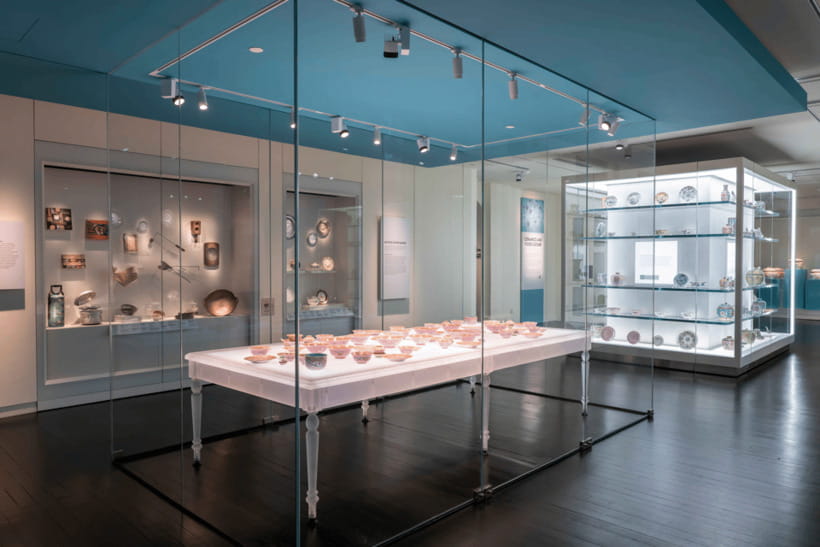
The museum occupies a beautifully restored historic building. That setting matters because the subject is not presented in a modern entertainment complex. You are entering a place with a sense of age and formality, then moving through galleries that explain how Peranakan families shaped their homes, ceremonies, clothing, and social customs.
The ticket is valid for one day rather than a fixed short time slot. The published information says to check availability for starting times, while opening hours are 10 AM to 7 PM daily and 10 AM to 9 PM on Fridays. That makes Friday useful if you prefer a later museum visit, though you should still confirm the available time when booking.
More Peranakan heritage to see:
- Singapore Food & Bike Tour – Katong
★ 5.0 · 289 reviews - Eat Snap Katong Walking Food Tour
★ 5.0 · 174 reviews - The Peranakan Mansion – Experience Singapore’s Unique Culture
★ 5.0 · 117 reviews
Three floors that explain Peranakan life
The museum’s layout gives you a useful sequence. Instead of presenting random beautiful objects, it groups them by themes. This helps you understand not only what an object looks like, but also where it belonged in family life.
One section focuses on Peranakan identity and traditions. Here, the main idea is cultural exchange. Peranakan communities developed from Chinese roots and regional Southeast Asian connections, with Malay and colonial influences shaping language, dress, food, design, and social customs. The displays let you see those connections through material culture rather than a long academic lecture.
You might spend a few minutes admiring a piece of jewelry, then notice how its design relates to clothing or ceremony. That connection is one of the museum’s strengths. The objects are attractive, but their value increases when you understand the role they played in a household or public ritual.
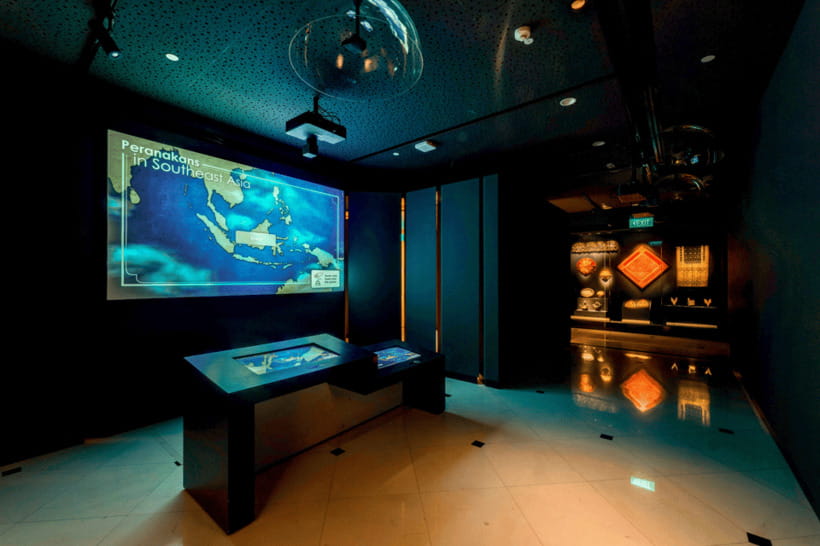
The galleries also connect Singapore’s Peranakan culture to wider Southeast Asia. This regional view is useful because Peranakan identity is not limited to one city. The museum presents Singapore as part of a broader story, while still giving Singaporean traditions a clear place within it.
Wedding customs, clothing, and family rituals
The wedding displays are likely to be a high point for anyone interested in fashion, ceremony, or family history. Peranakan weddings could involve elaborate clothing, formal customs, and carefully arranged objects. The museum uses wedding attire and related pieces to show how a major family event expressed status, tradition, and cultural identity.
Look closely at the workmanship. Beaded slippers may seem small beside a full wedding outfit, but they show the patience and precision that went into personal dress. Jewelry and textiles also help explain how appearance carried meaning. This is not simply a room of pretty things. It is a look at how families marked important transitions.
The museum also covers family traditions beyond the wedding ceremony. Personal stories help bring the subject closer to daily life. They can show how customs were passed between generations and how a community maintained a sense of identity while living in a changing Southeast Asian society.
I would give these galleries more time than a quick photograph stop deserves. The details are small, and the significance is not always obvious at first glance. Read the labels, listen to the recorded material, and give yourself time to connect the objects to the people who used them.
Inside the Peranakan home
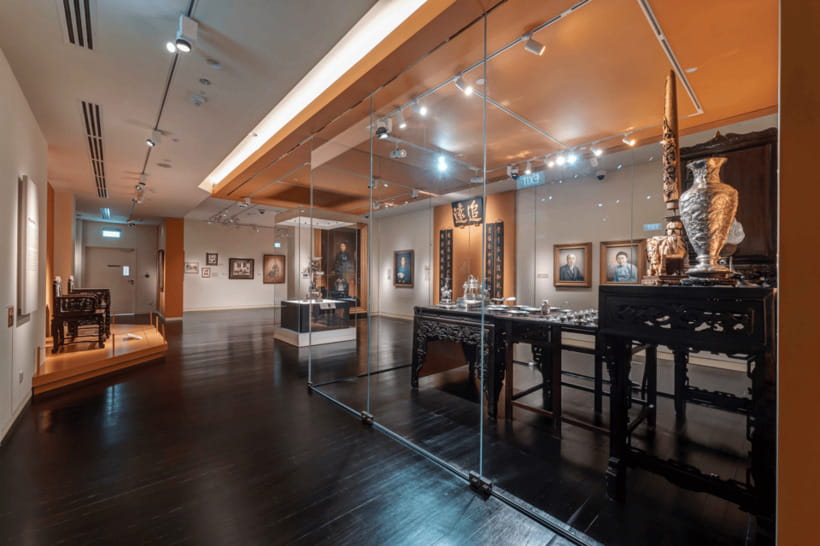
Another strong part of the visit is the presentation of the Peranakan home. Ornate furniture gives you a sense of the care families put into domestic surroundings. Furniture was not just practical. It could express taste, family position, craftsmanship, and links to Chinese, Malay, and colonial styles.
This gallery is especially helpful if you like design. You can compare the shapes, decoration, and materials of household pieces, then relate them to the clothing and jewelry shown elsewhere. The museum’s approach makes the home feel like part of a larger social system, not merely a decorated room.
The drawback is that ornate objects can compete for your attention. If you rush, you may remember the colors and patterns but miss the explanation of how the home functioned. A slower visit pays off here.
More museums and galleries to visit:
- Singapore: Museum of Ice Cream Entrance Ticket
★ 4.3 · 225 reviews - Singapore: National Gallery Singapore Admission Ticket
★ 4.3 · 159 reviews - Singapore ArtScience Museum Admission Ticket
★ 3.5 · 25 reviews - Singapore ArtScience Museum Admission E-Ticket
★ 4.0 · 18 reviews
Interactive displays and recorded demonstrations
The museum is not limited to silent cases. Interactive displays, recorded demonstrations, and personal accounts give you several ways to approach the material. These features are useful when you want more than labels and dates.
Recorded demonstrations can help you understand the labor behind Peranakan craft. A beaded slipper, for example, looks delicate and finished when displayed, but a demonstration can make the skill and time involved easier to grasp. The provided information does not specify every demonstration or its schedule, so you should treat the exact content as something that may vary.
Personal stories are particularly valuable. Objects can tell you about design and materials, but a person’s account can explain memory, family expectations, or the meaning attached to a tradition. One of the strongest reasons to visit is this combination of physical evidence and human voice.
If a guided tour is available during your visit, I would consider taking it. A guided tour has been praised for opening up the personal lives and backgrounds of the Peranakan community, and another visitor described the museum as very informative with plenty to see. No guide’s name or included tour schedule is provided, so check at Visitor Services rather than assuming a guide comes with the $6 ticket.
Contemporary art beside traditional objects
The museum also includes commissioned artworks that offer modern interpretations of Peranakan identity. This is a smart addition. A museum devoted only to historic artifacts can leave you with the impression that the culture belongs entirely to the past.
Contemporary work gives you another question to consider: how should Peranakan identity be represented today? These pieces may not provide the same direct evidence as wedding clothing or household furniture, but they encourage you to connect older traditions with present-day ideas.
I like this balance because it keeps the visit from becoming a costume display. You see the elegance of historic craft, then encounter newer artistic responses. The connection may feel less immediate than the wedding and home galleries, but it adds another layer to the visit.
How much time should you allow?
The ticket is valid for one day, not just a brief entry window. The information provided does not set a required visit length, so your pace depends on how closely you read labels and use the interactive features.
You can make a shorter visit by concentrating on the major galleries, especially weddings, clothing, and furniture. If you like decorative arts, family history, or Southeast Asian culture, you may want to spend longer with the recorded demonstrations and personal stories.
I would avoid scheduling the museum as a rushed stop between several fixed activities. The objects are detailed, and the displays reward attention. A one-day ticket gives you flexibility, but it does not mean you need to stay all day. Think of it as permission to visit at a sensible pace rather than a demand to fill every hour.
Friday’s later closing time, until 9 PM, may make it easier to place the museum after other sightseeing. On the other days, closing is at 7 PM. Opening is at 10 AM every day according to the provided schedule.
Is the $6 price good value?
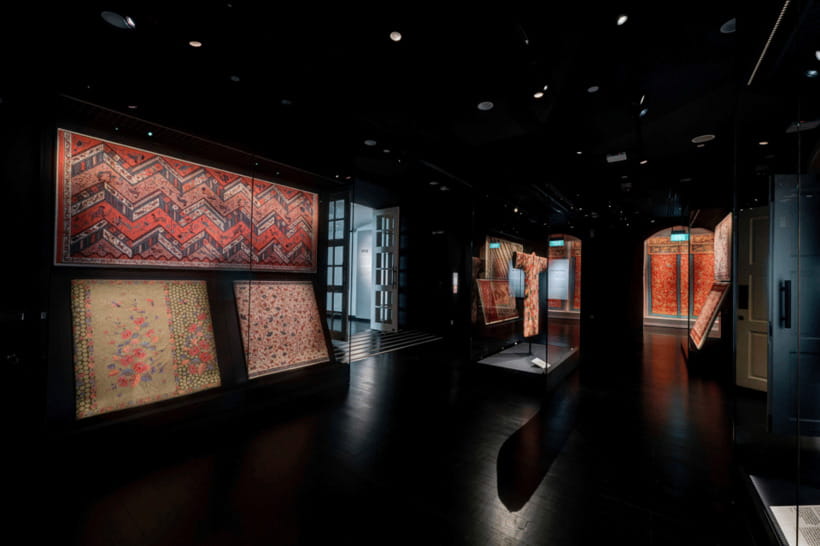
At $6 per person, the admission is easy to justify for anyone with an interest in culture, design, fashion, or Singapore’s past. You receive access to three floors and a broad range of material, from small craft items to furniture and wedding clothing. The interactive displays and personal accounts also give the ticket more value than a simple object-only collection.
The price is less attractive if your main goal is to see every exhibition in the building. The Special Exhibitions Gallery is not included, so you may need to pay separately if you want that additional material. Check the current admission details before booking if the special exhibition is important to you.
The ticket is non-refundable. That is the main financial caution. Choose your date and timing carefully, especially if your Singapore plans are still changing.
Who will enjoy this museum most?
I would recommend it to you if you enjoy:
- Southeast Asian culture and regional connections
- Clothing, jewelry, textiles, and decorative arts
- Family customs and wedding traditions
- Museums that combine objects with personal accounts
- A flexible self-guided cultural visit
- A reasonably priced indoor activity in Singapore
It is also a good choice for visitors who want context before seeing other Peranakan-related sights, food, or neighborhoods. The museum can give you a foundation for recognizing design details and understanding why certain customs matter.
Children can visit, but children aged 7 and above must purchase an entry ticket. All children must be accompanied by adults at all times. The provided information does not describe a special children’s program, so families should decide based on the child’s interest in displays, stories, and craft.
The museum may be less satisfying if you want a live performance, a food tasting, or a long guided walk through several parts of Singapore. This is an indoor museum admission ticket, not a city tour. The exact guide arrangements are not included in the information provided.
Practical details that affect your visit
Go directly to the Visitor Services Counter to redeem the ticket. Keep the visit within the published hours: 10 AM to 7 PM from Saturday through Thursday, and 10 AM to 9 PM on Friday.
Admission is for one day, and the ticket costs $6 per person. Children 7 and older need their own ticket, and adults must stay with children throughout the visit.
The Special Exhibitions Gallery costs extra. If you are most interested in the museum’s main Peranakan displays, the standard ticket should cover the central experience. If temporary or special shows are a priority, confirm the additional admission before you arrive.
The experience is provided by GlobalTix Pte Ltd. The activity is non-refundable, so check your date, opening time, and plans before purchasing.
Should you book the Peranakan Museum ticket?
Book it if you want a focused look at Singapore’s Peranakan heritage without paying for a large, expensive tour. The $6 price is fair, the three-floor format gives the visit substance, and the mix of craft, family stories, wedding customs, home life, and contemporary art makes the subject easier to understand.
I would especially choose it if you enjoy detailed objects. The beaded slippers, jewelry, wedding clothing, and ornate furniture reward close attention, while the recorded demonstrations and personal accounts explain the work and meaning behind them.
Skip it only if your schedule is too tight for a thoughtful museum visit, or if you need the Special Exhibitions Gallery included in the basic price. For most people interested in Singapore’s cultural roots, this is a practical and worthwhile stop. If a guided tour is available, ask about it at the counter, since added explanation can make the personal side of Peranakan life much clearer.
FAQ
Where do I redeem the admission ticket?
Go directly to the Visitor Services Counter for ticket redemption.
How much does admission cost?
The admission ticket costs $6 per person.
How long is the ticket valid?
The ticket is valid for one day.
What are the museum opening hours?
The museum is open from 10 AM to 7 PM daily, except on Friday, when it is open from 10 AM to 9 PM.
Is the Special Exhibitions Gallery included?
No. Admission to the Special Exhibitions Gallery is not included with this ticket.
Do children need an admission ticket?
Children aged 7 and above must purchase an entry ticket. Children must be accompanied by adults at all times.
Can I cancel the booking for a refund?
No. This activity is non-refundable.
Just added around Singapore
- Marina Bay Sands SkyPark Observation Deck ticket in Singapore★ 4.0 · 3 reviews
- Singapore Private Full-Day Sightseeing Tour★ 5.0 · 3 reviews
- Skyline Luge and Sky Ride Ticket Sentosa Singapore★ 3.5 · 3 reviews
- Singapore: Food and Bike Tour – Downtown★ 4.6 · 3 reviews
- Singapore: Chinatown Street Food Tour★ 5.0 · 3 reviews
- Learn to cook authentic Peranakan food with local market tour★ 3.5 · 3 reviews
- Singapore Brompton Bike Tour from Rail Corridor, with food!★ 5.0 · 3 reviews
- Guided Walking Tour to the Historical Attractions in Farrer Park★ 5.0 · 3 reviews
Peranakan Heritage Tours, compared.
The Peranakan Mansion – Experience Singapore’s Unique Culture
Read our review →
Best Ever Katong Food Tour with Local Foodie – PRIVATE TOUR
Read our review →
Peranakan Cooking Class in Singapore, near Lavender MRT Station
Read our review →Browse the lists this tour appears in