
Reviewed · PERANAKAN HERITAGE TOURS
Singapore: Peranakan Culture, Cuisine & Hidden Treasures
Singapore’s Peranakan culture comes alive in the old Katong and Joo Chiat neighborhoods, where pastel shophouses, family food traditions, embroidered clothing, and Malay-Chinese customs all meet. This tour gives you a useful introduction in 150 minutes, with stops at Koon Seng Road, a private Peranakan museum, and Kim Choo Kueh Chang.
I like the private museum visit, which offers a closer look at kebaya clothing, kerosang brooches, and beaded shoes than a simple street walk can provide. I also like the tea stop and the chance to try Nyonya snacks, though the food portion may feel modest for the $113 price, especially if you expect a full meal.
The experience is best for anyone who wants cultural background while walking through one of Singapore’s most photogenic districts. The pace and value deserve some thought: one recent guest found guide Stefan engaging and appreciated the audio earpiece, while another felt the tour moved too slowly and offered too little food for the cost.
In This Review
- Key Points to Know Before Booking
- Why Katong and Joo Chiat Matter
- Koon Seng Road and Its 1920s Shophouses
- Inside a Private Peranakan Home and Museum
- Walking Through Joo Chiat’s Changing Streets
- Kim Choo Kueh Chang and the Nyonya Tea Session
- What the $113 Price Includes
- Pace, Group Size, and Practical Comfort
- Who Will Get the Most From This Tour
- Should You Book the Katong and Joo Chiat Tour?
- FAQ
- How long does the Peranakan culture tour last?
- Where does the tour begin?
- Where does the tour finish?
- Is food included?
- What language is the tour conducted in?
- Is the tour suitable for wheelchair users?
Key Points to Know Before Booking
- Koon Seng Road provides the photo stop: Spend about 30 minutes admiring the pastel-colored shophouses built in the 1920s.
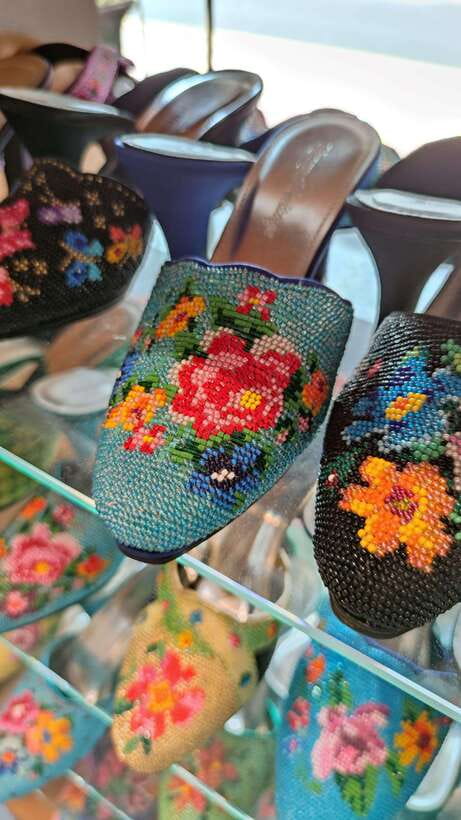
- The private museum adds cultural detail: See Peranakan objects and learn about kebaya, kerosang, and beaded shoes inside an original Peranakan home.
- Katong and Joo Chiat are the real setting: The tour connects architecture, local history, post-war change, cafés, and Peranakan life.
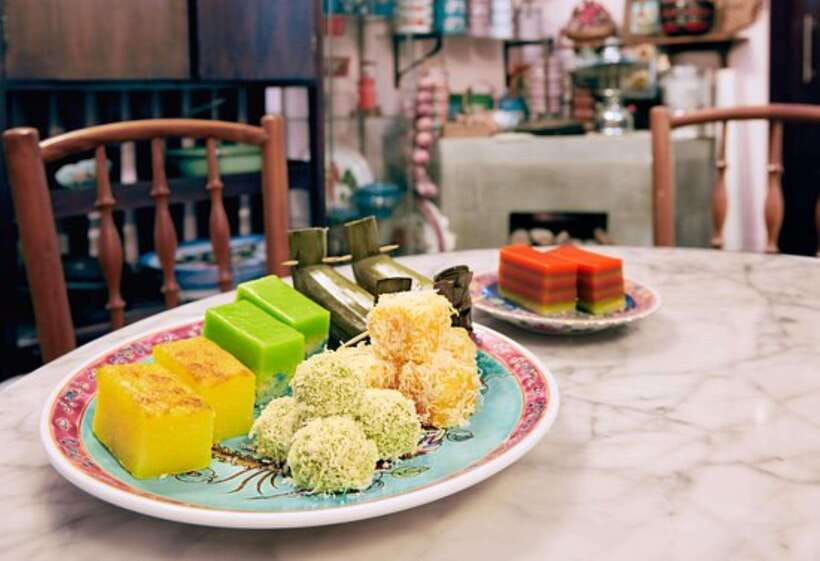
- The tasting is a snack session, not lunch: You try Nyonya treats with Peranakan tea and receive an introduction to laksa.
- Guide quality matters: Stefan was praised for explaining cultural and historical details, and the audio earpiece helped with hearing him.
- The tour needs four participants: It runs in English, lasts 150 minutes, and does not include hotel pickup or drop-off.
Why Katong and Joo Chiat Matter
Katong and Joo Chiat offer a different side of Singapore from the glass towers and polished shopping streets downtown. Here, the streets carry signs of older family businesses, Peranakan homes, food shops, and colorful façades.
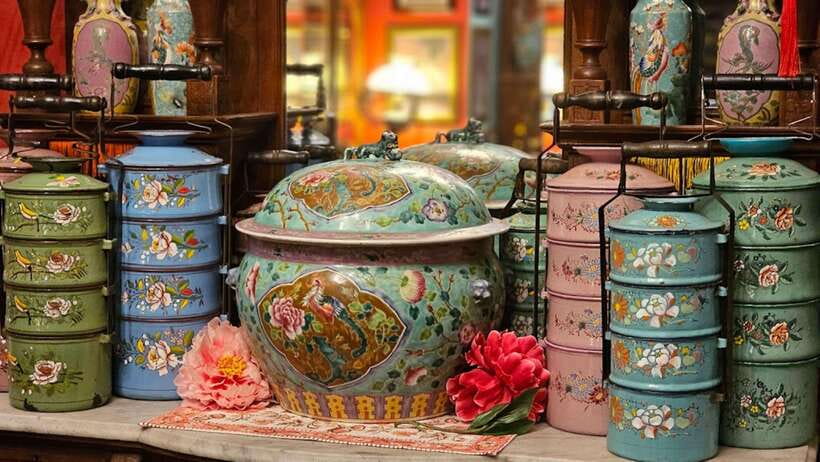
The Peranakans are a Southeast Asian cultural group shaped by Chinese, Malay, and other regional influences. In Singapore, that blend appears in clothing, household objects, architecture, language, and food. The result is not simply Chinese culture with local decoration. It is its own tradition, and this walking tour tries to show how that tradition fits into the neighborhoods where Peranakan families lived.
You begin outside Cold Storage at 291 Joo Chiat Road. There is no hotel transfer, so you need to make your own way to the meeting point. The tour finishes at i12 Katong, which gives you a clear endpoint for continuing your day, though the experience does not include transport back to your hotel.
The walking route covers several stops, with a fair amount of time outdoors. I would wear light, comfortable shoes and bring water, sunscreen, a hat, and a camera. Singapore can feel hot even when the walking distance looks manageable on paper.
More Peranakan heritage to see:
- Singapore Food & Bike Tour – Katong
★ 5.0 · 289 reviews - Eat Snap Katong Walking Food Tour
★ 5.0 · 174 reviews - The Peranakan Mansion – Experience Singapore’s Unique Culture
★ 5.0 · 117 reviews
Koon Seng Road and Its 1920s Shophouses
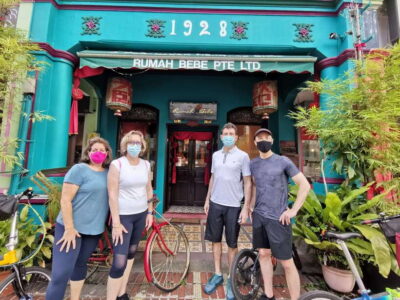
The first major stop is Koon Seng Road, known for its row of pastel-colored shophouses. The guided visit lasts about 30 minutes, giving you time to hear about the buildings and take photographs.
These homes were built in the 1920s and were once part of a mixed community that included Peranakan Chinese families. Their narrow fronts, decorative details, and bright colors make them some of the most recognizable residential buildings in Singapore.
This is the part of the tour most likely to fill your camera roll. The houses look especially appealing from the street, but remember that they are also private residences. You are viewing the architecture from public areas rather than entering a series of decorated homes.
I like having a guide here because the buildings mean more when you understand their connection to the people who lived in the district. Without context, Koon Seng Road can become a quick photo stop. With an explanation of its residents and architectural style, it becomes a useful introduction to Peranakan life in Singapore.
Still, the stop is not a full architectural lecture. If your main goal is photography, you may find the 30 minutes sufficient. If you want detailed information about every façade, this tour may feel light.
Inside a Private Peranakan Home and Museum
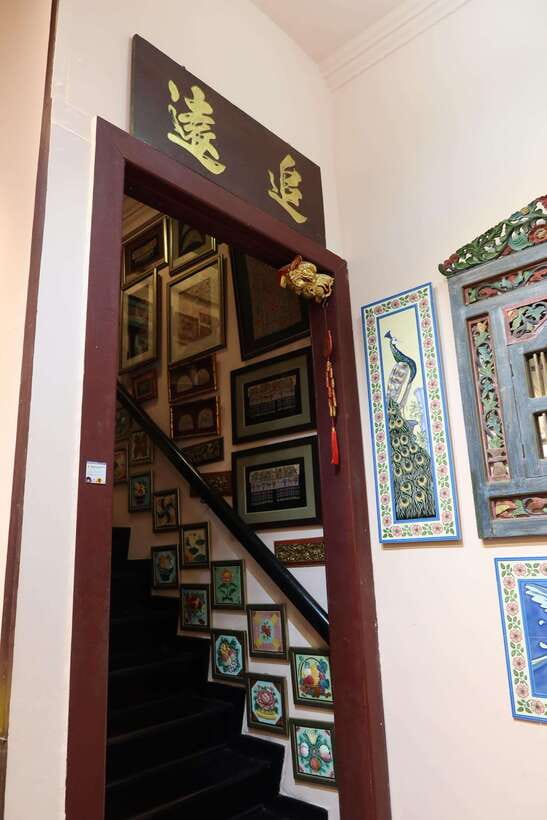
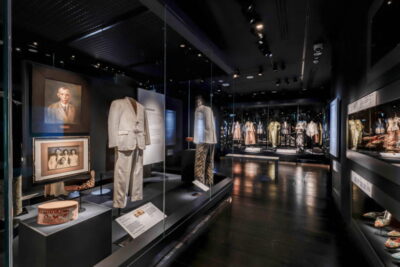
The next guided section lasts about 45 minutes and takes you into a private Peranakan museum. The setting is especially appealing because it is an original Peranakan home, not only a modern display space.
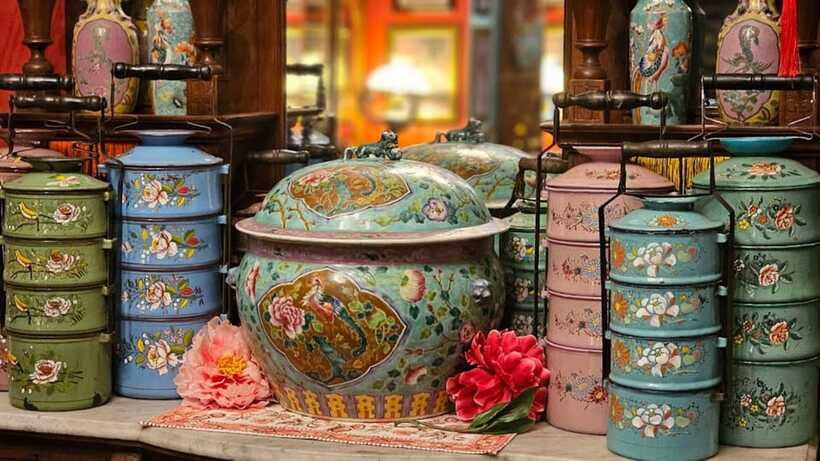
This visit focuses on material culture. You can learn how Peranakan identity appears in objects and clothing, including the kebaya, kerosang, and beaded shoes. The kebaya is a traditional blouse worn in the region, while kerosang refers to the brooch set used to fasten it. Beaded shoes are another familiar Peranakan craft, often linked to careful handwork and detailed patterns.
For me, this is the most useful part of the tour for understanding daily culture. Streets and façades show you where people lived, but clothing and household pieces show how they presented themselves and expressed family traditions.
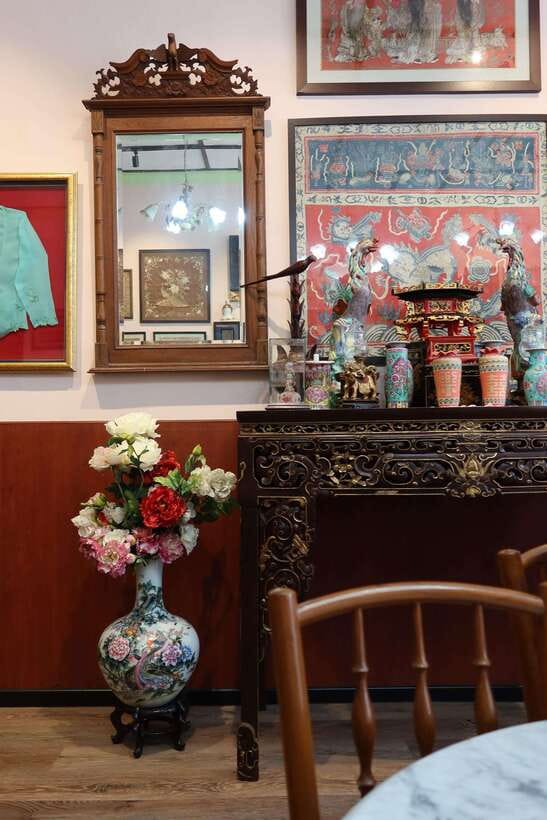
The museum is private, so this is not the same as spending half a day in a large public institution. The benefit is a more focused visit in a domestic setting. The tradeoff is that the amount of material and time is limited. You should expect an introduction rather than an exhaustive study of Peranakan history.
The guide’s role matters here. Stefan was praised for explaining cultural and historical details at length, and an audio earpiece helped one guest follow the commentary. If your group is larger or street noise picks up, the earpiece could make the visit easier to follow.
Walking Through Joo Chiat’s Changing Streets
The itinerary then returns to Joo Chiat Road for another 30-minute guided walk. This section connects the buildings to the area’s wider story.
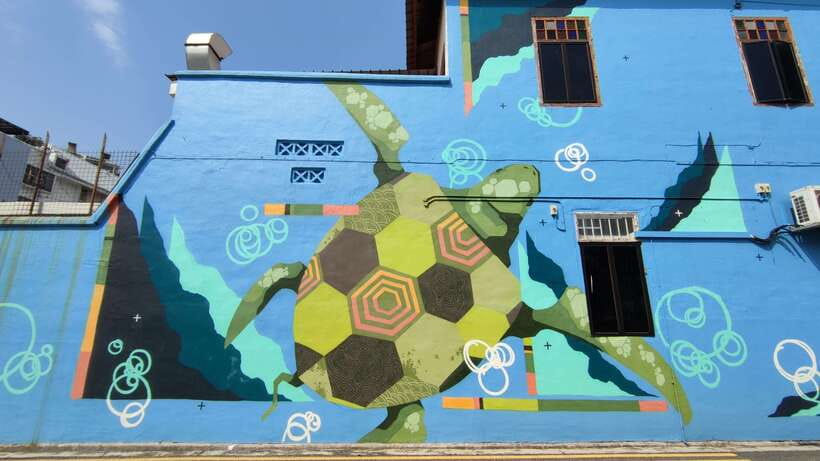
You learn about the association between Katong and the sea turtle, how the district became a place for wealthy residents and Peranakan families, and how it changed after the war. Today, old shophouses share the area with cafés and newer businesses. The tour presents that change as part of the neighborhood’s current identity.
This is where the experience moves beyond pretty architecture. A good walking tour should help you notice what has changed, not only point out what looks old. Joo Chiat’s appeal comes from the mix of preserved buildings, food traditions, local shops, and newer businesses.
The route may suit you if you enjoy seeing how a neighborhood develops over time. It may disappoint you if you expect every stop to be a major historic site. Some of the value lies in the guide’s explanation of ordinary streets and local customs.
One caution comes from the tour’s pacing. A recent guest felt the guide moved slowly and used extra time to visit an artist’s shop that did not offer traditional Peranakan work. That stop is not part of the listed core highlights, so you may want to ask at the start how the time will be divided. If you are paying mainly for Peranakan culture, you have every reason to want the walking time focused on that subject.
A different sort of day out, same city:
- Lion City Bike Tour of Singapore
★ 5.0 · 6,211 reviews - Singapore: Gardens by the Bay Bundle Entry Ticket
★ 4.3 · 3,726 reviews - Singapore: Big Bus Hop-On Hop-Off Tour by Open-Top Bus
★ 4.5 · 3,261 reviews - Singapore: Lion City Highlights Bike Tour
★ 4.9 · 2,010 reviews
Kim Choo Kueh Chang and the Nyonya Tea Session
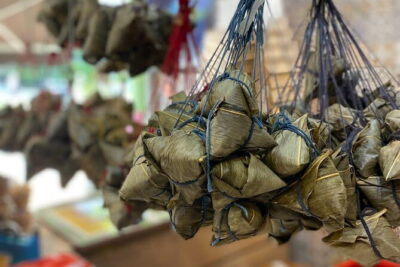
The final 45-minute stop takes place at the Singapore Visitor Centre at Kim Choo Kueh Chang. This family business has served rice dumplings since 1945 and is closely connected to Peranakan food culture.
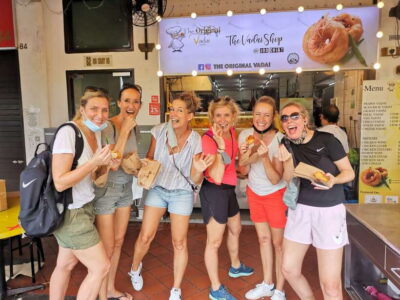
The tasting includes Nyonya snacks and a Peranakan-themed tea session. The rice dumpling is a key item to try, with its chewy texture and place in Peranakan cuisine. You are also introduced to laksa, the spicy coconut broth that shows the Malay-Chinese blend at the heart of Nyonya cooking.
You should set your expectations carefully. This is a tasting session, not a sit-down meal. One guest received only three small snacks and felt the food did not match the price. If you arrive hungry, you may need to plan another meal before or after the tour.
I still see value in the stop because food often explains cultural exchange better than a display case can. Laksa is not presented as an unrelated Singapore dish. It is used to show how Peranakan cooking draws from different food traditions and turns them into something distinctive.
You can also look at batik fabrics if you want a physical reminder of the visit. The fabrics offer a shopping opportunity, but purchasing anything is not included in the tour price. The stop works best if you see it as a cultural tasting with a chance to browse, not as a generous food tour.
What the $113 Price Includes
At $113 per person, this is a premium short walking tour. The price covers the English-speaking guide, the guided visits around Katong and Joo Chiat, entry to the private Peranakan museum, and the tea session with Nyonya snacks.
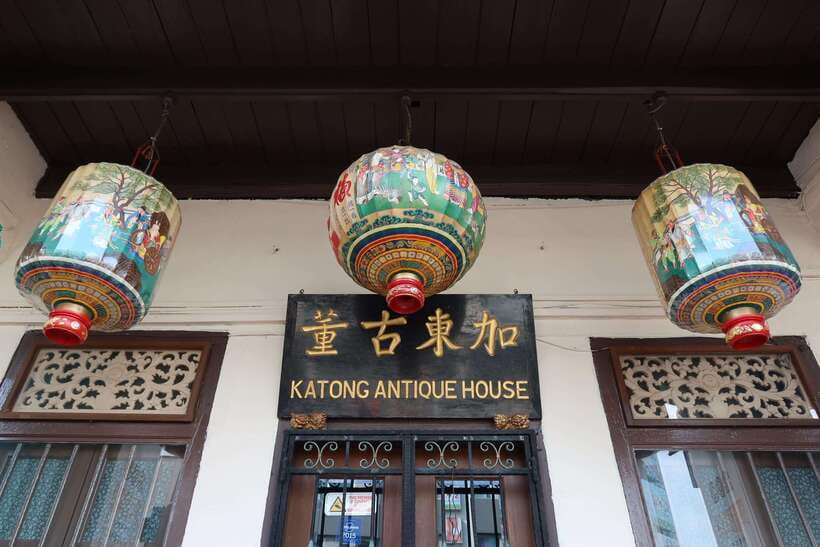
The museum access is the part that helps separate this from a basic neighborhood walk. You are paying for an arranged visit to a private home, along with interpretation of clothing and objects. You also receive a structured route rather than having to find Koon Seng Road, the museum, and Kim Choo Kueh Chang on your own.
The concern is duration and quantity. The tour lasts 150 minutes, but the experience includes walking, explanations, a museum visit, and food sampling. That can feel like a good compact introduction if your schedule is tight. It can feel expensive if you expect a full meal, a large museum, or a packed schedule with constant activity.
One guest compared the cost to a much cheaper tip-based walking tour and considered this experience poor value. That criticism is worth taking seriously, especially if you are mainly looking for a general introduction to Joo Chiat. On the other hand, a free or tip-based walk may not include entry to a private museum or an arranged Peranakan tea session.
I would book this only if those specific inclusions matter to you. If you want the lowest-cost way to see the neighborhood, the price is harder to justify. If you want a short, organized introduction with food and a private cultural stop, the calculation is more favorable.
Pace, Group Size, and Practical Comfort
The tour runs only with a minimum of four participants. That condition matters if you are visiting during a quiet period or have a fixed schedule. Check availability for the starting time before building the rest of your day around it.
The activity is listed as suitable for all ages, but it is not suitable for wheelchair users. You should expect regular walking between stops, outdoor exposure, and some standing during explanations. Comfortable shoes are essential.
Bring a refillable water bottle, sunscreen, and a hat. Singapore’s heat can make a slow walking pace feel longer than expected. A camera is also worthwhile, especially for Koon Seng Road and the surrounding shophouses.
The live guide speaks English. Stefan is one guide associated with the experience, and the audio earpiece was a useful feature for one guest. Since guide style can shape the whole tour, you should expect the amount of detail and pace to vary somewhat depending on who leads your group.
The tour offers free cancellation up to 24 hours before the start and allows you to reserve while paying later. Those policies help if your Singapore plans are still shifting, but they do not change the main value question: are the museum and food stops worth the premium to you?
Who Will Get the Most From This Tour
I would recommend this experience to you if you want a clear first look at Peranakan culture without committing to a full day. The mix of architecture, clothing, food, and neighborhood history gives you several ways into the subject.
It is also a good fit if you care more about local culture than major attractions. Katong and Joo Chiat provide a street-level view of Singapore, with old homes and food traditions alongside newer cafés and shops.
Families may appreciate the mix of photographs, snacks, and short guided sections. Older children can connect the museum objects with the food and buildings they see outside. The amount of walking still means you should judge the tour against your group’s comfort.
I would hesitate if you want a substantial meal, a fast-paced schedule, or a large collection of museum objects. I would also think twice if the $113 cost feels high for a 150-minute activity. A disappointing food portion can affect the whole experience when dining is one of the headline features.
Should You Book the Katong and Joo Chiat Tour?
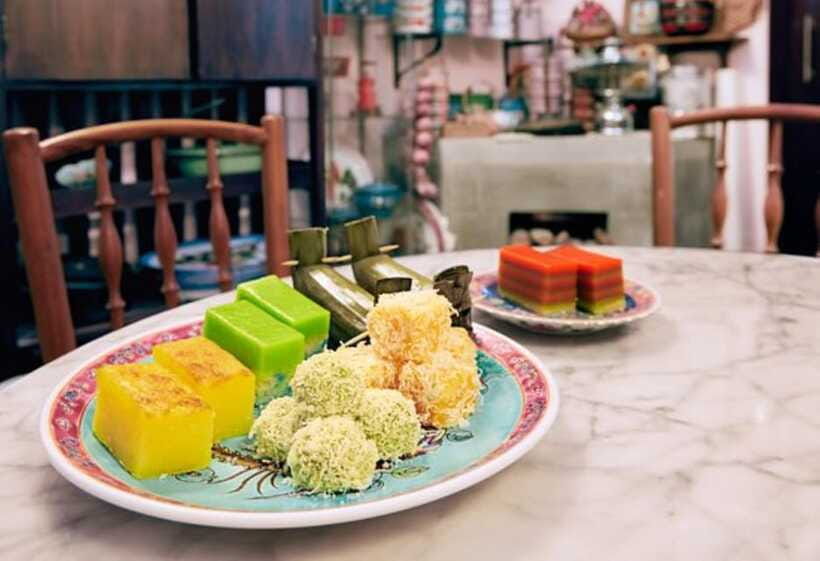
Book it if you want three things in one compact outing: colorful shophouses, access to a private Peranakan home museum, and a guided introduction to Nyonya food. The private setting and focused cultural theme give the walk more shape than a simple photo stop.
Think carefully if your main goal is value or a full meal. The limited tasting and possible slow pace have drawn criticism, and the price is high for a short tour. Ask about the planned route at the beginning and keep your expectations centered on cultural background, not lunch.
For the right reader, this is a pleasant way to understand why Katong and Joo Chiat matter. For a budget-minded visitor, it may make more sense to explore the streets independently and spend the saved money on a proper Peranakan meal.
FAQ
How long does the Peranakan culture tour last?
The tour lasts 150 minutes, or two and a half hours.
Where does the tour begin?
It begins outside Cold Storage at 291 Joo Chiat Road.
Where does the tour finish?
The tour finishes at i12 Katong.
Is food included?
Yes. The experience includes a Peranakan-themed tea session with Nyonya snacks at Kim Choo Kueh Chang. It is a tasting session, not a full meal.
What language is the tour conducted in?
The live tour guide speaks English.
Is the tour suitable for wheelchair users?
No. The experience is not suitable for wheelchair users. You should also wear comfortable walking shoes and bring water, sunscreen, a hat, and a camera.
Just added around Singapore
- Skyline Luge and Sky Ride Ticket Sentosa Singapore★ 3.5 · 3 reviews
- Marina Bay Sands SkyPark Observation Deck ticket in Singapore★ 4.0 · 3 reviews
- Singapore Private Full-Day Sightseeing Tour★ 5.0 · 3 reviews
- Singapore: Food and Bike Tour – Downtown★ 4.6 · 3 reviews
- Singapore: Chinatown Street Food Tour★ 5.0 · 3 reviews
- Learn to cook authentic Peranakan food with local market tour★ 3.5 · 3 reviews
- Singapore Brompton Bike Tour from Rail Corridor, with food!★ 5.0 · 3 reviews
- Guided Walking Tour to the Historical Attractions in Farrer Park★ 5.0 · 3 reviews
Peranakan Heritage Tours, compared.
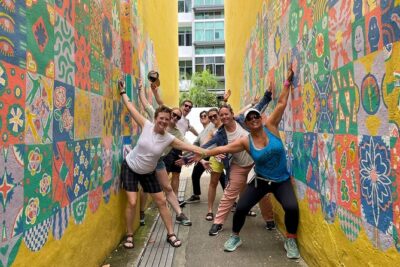
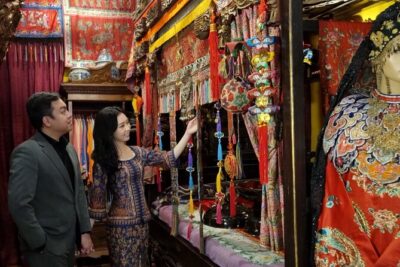
The Peranakan Mansion – Experience Singapore’s Unique Culture
Read our review →
Best Ever Katong Food Tour with Local Foodie – PRIVATE TOUR
Read our review →Browse the lists this tour appears in