
Reviewed · CHINATOWN TOURS
Singapore: Chinatown Food Tour with 6 Tastings
Singapore’s Chinatown becomes a food puzzle on this three-hour hunt. You start with Nanyang Old Coffee, follow riddles from Madam Sampan, and work your way through seven heritage stops while collecting pieces of her Wheel of Fortune. The best part is the mix of eating and discovery: you are not simply led from one café to the next.
I especially like the self-guided pace and the private format. You can stop for a breather, solve clues without a stranger hovering nearby, and enjoy the route with your own family, friends, or date. The main drawback is dietary: the tastings are not suitable for vegetarian, vegan, halal, or gluten-free diets, and serious allergies are a concern.
In This Review
- Key points
- A Chinatown food tour with a puzzle in the middle
- Starting with breakfast at Nanyang Old Coffee
- Two snack stops that introduce familiar local flavors
- A local bakery and the pleasure of a small stop
- Chicken rice at the local restaurant and food market
- Tea and a pause before dessert
- Finishing with a durian dessert
- Why the self-guided format works
- What the $55 price means
- Heat, walking, and food restrictions
- Who will enjoy this Chinatown food hunt
- Should you book it?
- FAQ
- How long does the Singapore Chinatown food hunt last?
- Where does the activity start?
- Where does the activity finish?
- How much walking is involved?
- What food is included?
- Do I need mobile data?
- Can children join the activity?
- Is the food suitable for special diets?
Key points
- Six Singaporean bites: Try kaya toast, bak kwa, pineapple tart, Chinese pastry, chicken rice, and a durian dessert.
- Madam Sampan’s puzzle trail: WhatsApp riddles guide you through Chinatown and reveal local stories along the way.
- Seven heritage stops: The route includes breakfast, snack, bakery, hawker-style food, tea, and dessert.
- Private and self-guided: You explore only with the people in your booking and choose your own pace.
- About two miles of walking: Plan for roughly 6,000 steps in Singapore’s heat.
- A small finish-line reward: Completing the Wheel of Fortune brings a surprise souvenir gift.
A Chinatown food tour with a puzzle in the middle
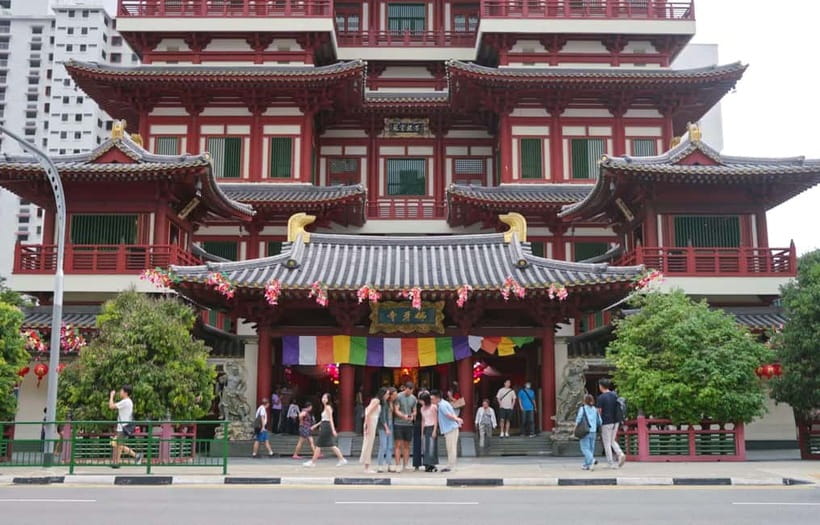
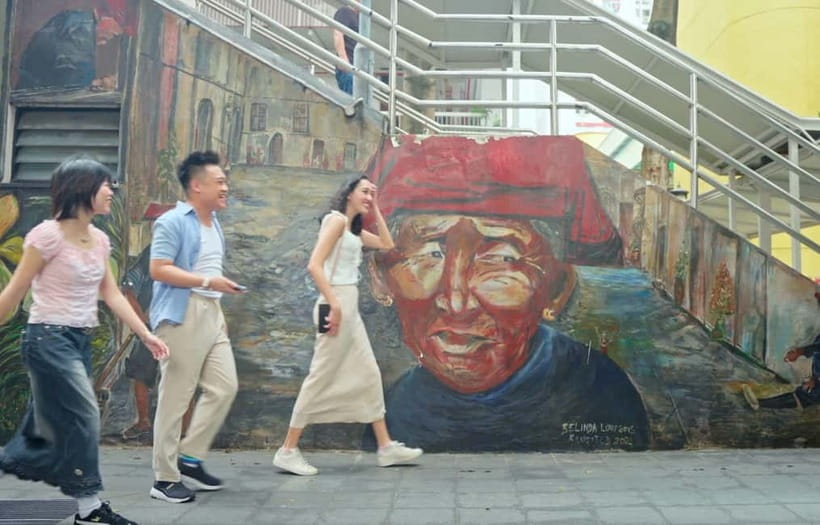
This experience works because it gives you a reason to keep walking. Instead of treating Chinatown as a string of food counters, the hunt turns the neighborhood into a trail of clues, snacks, and old stories.
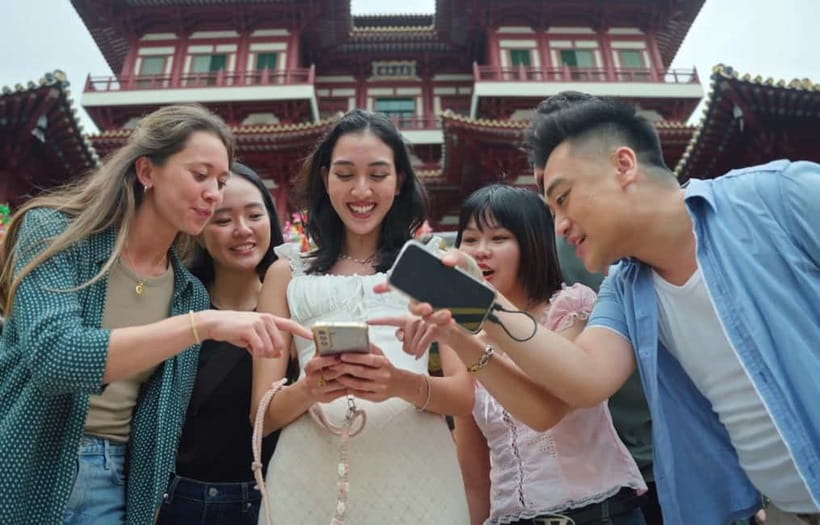
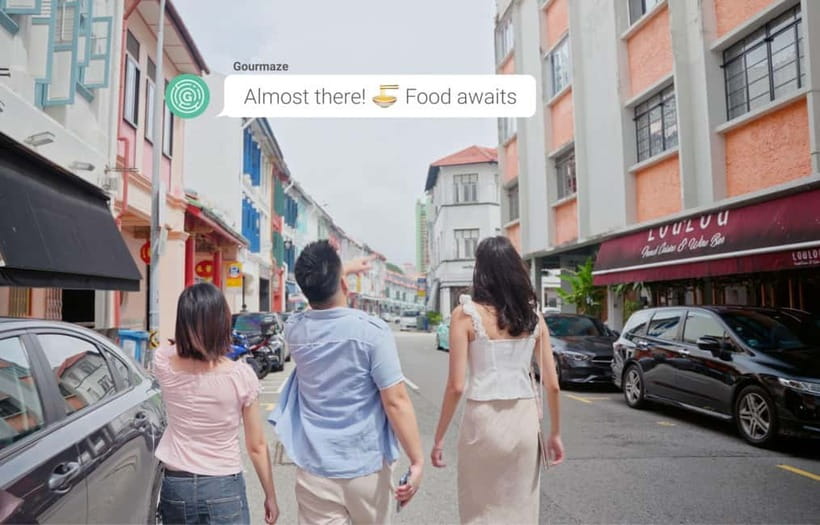
Your fictional guide is Madam Sampan, a fortune teller from the 1900s. She sends the first clue at Nanyang Old Coffee, then communicates with you through WhatsApp. You solve each riddle on your phone, find the next stop, and collect a missing piece of her Wheel of Fortune.
I like this setup for people who prefer some independence. You are not tied to a guide’s speaking pace or a fixed group schedule. At the same time, you do need to keep your phone ready and have mobile data, since WhatsApp is central to the experience.
The route covers about two miles, or around 6,000 steps. That is manageable for most people, but Singapore’s heat can make a short walk feel longer. Bring light clothing, sunscreen, and an umbrella. You will be outside between stops, so this is not a good choice if you want a fully air-conditioned food outing.
More walks through Chinatown:
- Chinatown, Little India, Kampong Gelam City Highlights Tour
★ 5.0 · 224 reviews - Singapore: Chinatown Hawker Market Food Tour with 7 Food Tastings
★ 5.0 · 213 reviews - Singapore: Chinatown, Little India, Arab Street Walking Tour
★ 4.9 · 207 reviews
Starting with breakfast at Nanyang Old Coffee
The hunt begins at Nanyang Old Coffee on South Bridge Road, near Maxwell MRT. This gives you a straightforward starting point, especially if you are already visiting Chinatown or arriving by train.
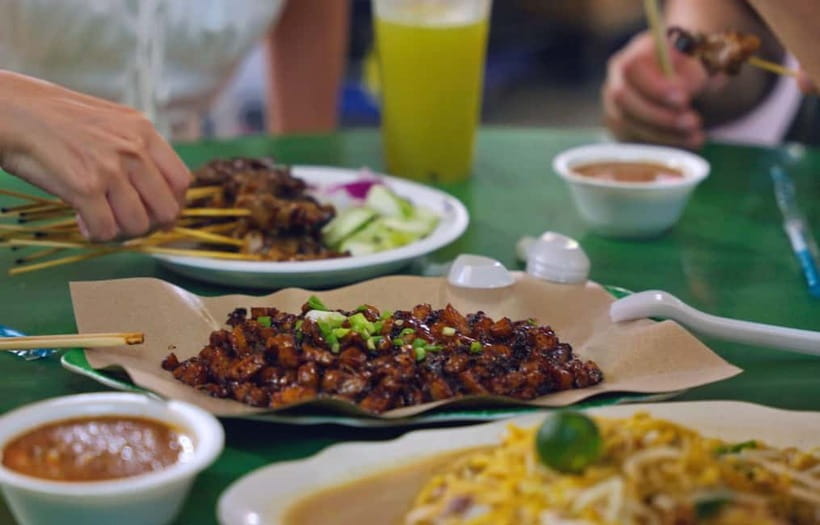
Your first tasting is kaya toast, a familiar Singaporean breakfast bite. Kaya is a sweet coconut and egg spread, usually paired with toast, and it gives you an early taste of the local breakfast tradition. The point is not just to eat something small. It sets up the food trail with a dish tied to everyday Singaporean life.
At this first stop, you receive the opening clue from Madam Sampan. The story element is playful rather than formal, which suits families, couples, and groups of friends. You will need to pay attention to the riddle, but the puzzles are designed to be approachable rather than intimidating.
I would arrive with enough time to get settled before beginning. The activity lasts about three hours, and the clock matters less than your pace, but you still have seven places to reach. Starting calmly makes the hunt more enjoyable than rushing through the first clue.
Two snack stops that introduce familiar local flavors
After breakfast, two secret stops provide local snacks. Each is scheduled for about 15 minutes, so you should expect a quick tasting rather than a long sit-down meal.
One of the featured bites is bak kwa, a sweet-savory grilled meat snack commonly associated with Singaporean Chinese food culture. It is a useful contrast to kaya toast: breakfast is soft and sweet, while bak kwa brings a stronger grilled flavor and a denser texture.
The second snack selection includes pineapple tart. This pastry is closely associated with festive eating, especially during Chinese New Year, but it is also a well-known local treat. It gives the food trail a different angle, showing how small sweets can carry seasonal and cultural meaning.
The exact order of the tastings may depend on the route and the stops operating that day. You should think of these locations as clue-led discoveries rather than a conventional tasting counter where everything is served at once.
That distinction matters. The experience is built around finding the next place, not only sampling food. If you enjoy puzzles, the pauses between bites add interest. If you mainly want a large meal, the portions and short stop times may feel light.
A local bakery and the pleasure of a small stop
The bakery stop adds a Chinese pastry to the tasting list. Bakery items are easy to overlook when you are focused on larger dishes, but they are useful for understanding how traditional flavors appear in everyday snacks.
You receive about 15 minutes here. That is enough for the tasting and clue work, but it is not designed as a long bakery visit. I like this short format because it keeps the route moving. You get a taste, look around, and continue before the experience loses its rhythm.
The bakery also breaks up the flavor pattern. After kaya toast, meat, and pineapple tart, a Chinese pastry offers another texture and style of sweetness. You may find it especially useful if you want to sample several kinds of local food without committing to full portions at each stop.
Keep your expectations sensible. Six bites over three hours do not add up to a full Singapore lunch for everyone. You can enjoy the food trail and still want an extra meal afterward, particularly if you have a large appetite.
More hawker centres and street food walks:
- Small Group: Michelin and Local Hawker Food Tour with 9 tastings
★ 5.0 · 1,890 reviews - Small Group: Singapore Street Food & Night Tour with 9 tastings
★ 5.0 · 1,240 reviews - The Award-Winning PRIVATE Food Tour: 10 Tastings of 3 Cultures
★ 4.5 · 1,017 reviews - Singapore: Chinese, Indian & Arabic Quarters, Culture & Food Tour
★ 5.0 · 789 reviews
Chicken rice at the local restaurant and food market
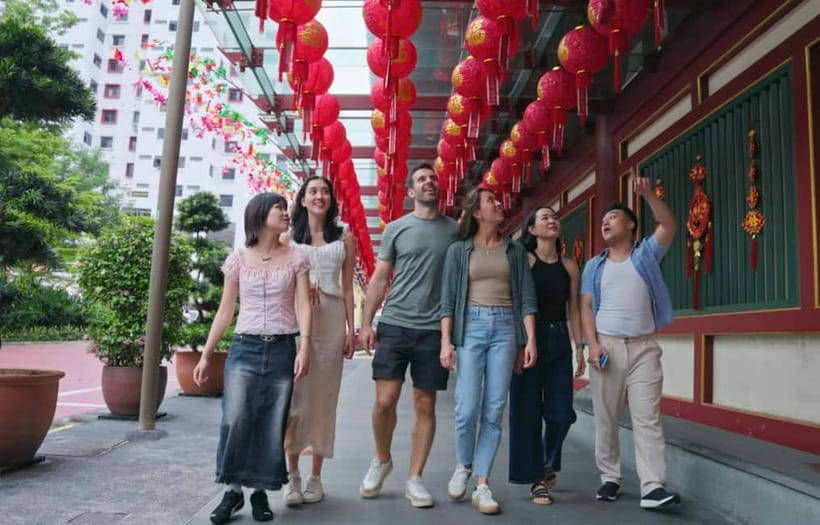
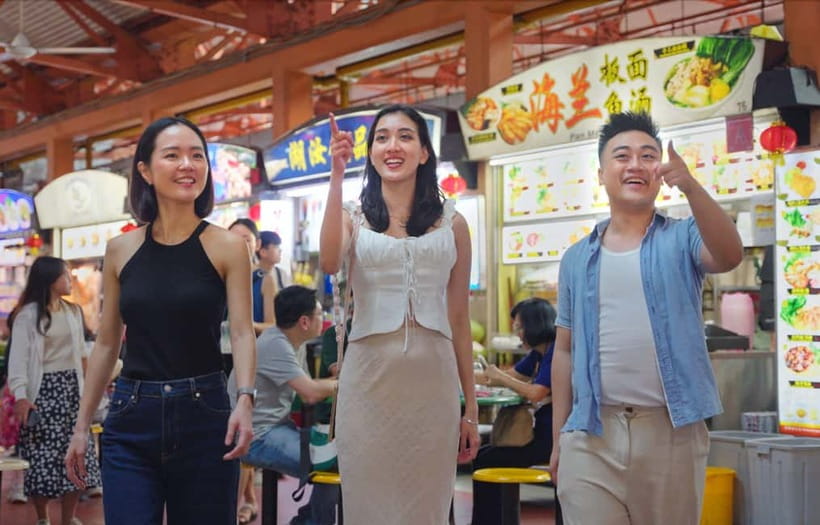
The heartier food stop brings you to a local restaurant or hawker-style setting for chicken rice. This is the most substantial tasting on the route and gives the hunt a savory center.
Chicken rice is one of Singapore’s best-known dishes, but the value here is that you are trying it as part of a broader food story. You have already sampled breakfast and snacks. Now you get a dish that works as a proper meal component and is strongly tied to Singapore’s hawker culture.
The stop lasts about 30 minutes, longer than the other food locations. That extra time gives you room to eat at a more relaxed pace and take in the food market setting. It is also a practical point to pause, especially if you have been walking in the heat.
The tour does not present itself as a chef-led lesson, so do not expect a detailed cooking demonstration or a long explanation of every ingredient. Its strength is access and sequence. You visit a local food setting that you might not choose on your own, then move on with the next clue.
For me, this is where the price begins to make more sense. You are not paying only for six samples. You are also getting a planned route through several types of Chinatown food businesses, with the puzzle giving you a reason to visit each one.
Tea and a pause before dessert
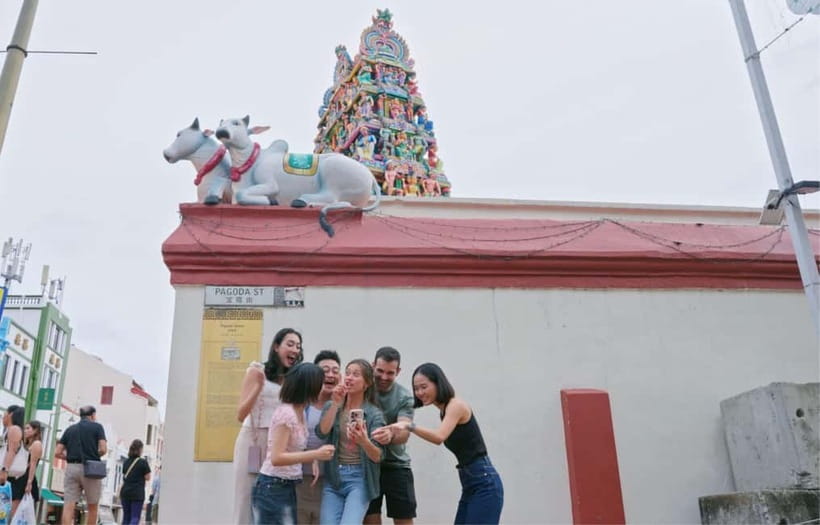
A tea stop follows the food market visit. It lasts about 15 minutes and acts as a reset before the final tasting.
A traditional drink can be easy to dismiss as a small detail, but it helps balance the route. After sweet toast, meat snacks, pastries, and chicken rice, tea offers a calmer break. You can slow down, solve the next clue, and take a moment before the final café stop.
Because this is a self-guided experience, the pause may feel more natural than it would on a tightly timed group tour. You can take the clue seriously, chat with your companions, and move forward when you are ready.
The practical catch is that the route depends on your phone. Keep the WhatsApp conversation easy to find, and make sure your battery and mobile data are in good shape before starting. The experience is not designed around a guide standing beside you to repeat instructions.
Finishing with a durian dessert
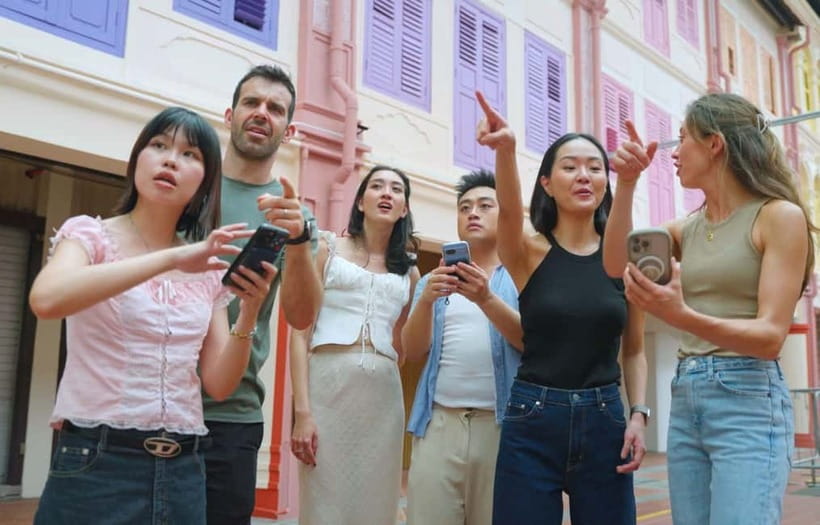
The final food stop is a local café serving a durian dessert. Durian is one of Southeast Asia’s most famous flavors, and it can be divisive. Some people love its creamy, powerful taste. Others find it difficult. Including it makes the route more distinctly local, but it also means this tour will not suit every palate.
If you already know you dislike durian, the dessert may be the least appealing part of the experience. The tour information does not promise substitutions, so you should not book this expecting a different sweet at the end.
Still, I appreciate that the tasting includes a food with a strong local identity rather than sticking only to easy, familiar pastries. The route gives you a chance to try something you may not order independently.
After dessert, you complete the Wheel of Fortune and receive a surprise souvenir gift. That gives the hunt a clear finish instead of simply ending at the last café. For children and competitive groups, the final reveal adds a little extra purpose to the riddles.
Why the self-guided format works
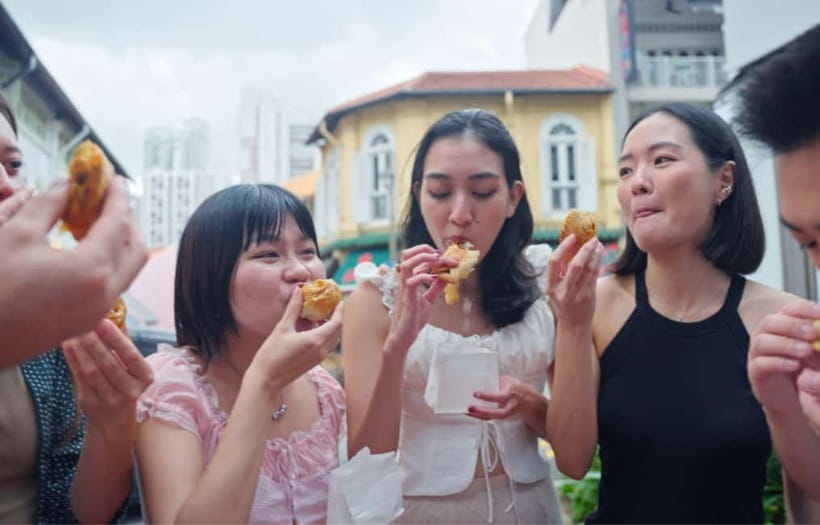
The private format is one of the strongest reasons to choose this activity. Only the people in your booking take part in your group, so you can work out the clues at your own speed.
That suits a date particularly well. You can walk, snack, and pause without trying to keep up with strangers. Friends can turn the riddles into a friendly contest. Families can split up clue-solving jobs, although younger children may need help with the phone-based format.
There is no traditional guide leading the walking route in person. Some people will love that freedom. Others may prefer a guide who explains Chinatown’s past, answers questions in real time, and points out details as you walk. Here, the stories arrive through the WhatsApp clues, so the experience is more active and game-like than a standard cultural tour.
The puzzles are described as clever but not too difficult. That is a good balance for a mixed group. You want enough challenge to make the next stop satisfying, but not so much that one difficult riddle stalls the whole afternoon.
What the $55 price means
At $55 per person, this is not the cheapest way to eat in Chinatown. You could buy six small food items for less, especially at hawker centers. The value comes from the organized route, private booking, story, puzzle design, seven stops, and souvenir.
I would compare it with a regular guided food tour rather than with a simple lunch. A conventional tour may give you more live explanation. This one gives you more control and a playful way to find places you might otherwise pass.
The six bites are varied: kaya toast, bak kwa, pineapple tart, Chinese pastry, chicken rice, and durian dessert. You also receive a traditional drink, though the included list counts six local bites separately from the tea stop. That is enough variety to make the outing feel like a sampling tour, but not enough food to replace every meal.
The price is strongest for private groups who value time together. If you are booking alone and only want inexpensive food, it is harder to justify. If you are splitting the experience among friends or planning a special date, the private setup makes the cost more reasonable.
Flexible booking also helps. You can cancel up to 24 hours ahead for a full refund, and you can reserve now and pay later. Check the available start times before choosing a slot, since the activity lasts about three hours.
Heat, walking, and food restrictions
Singapore’s weather deserves serious attention. Light clothes, sunscreen, and an umbrella are not decorative packing advice. You will walk between stops, and the route is approximately two miles.
The start near Maxwell MRT and the finish near Outram Park MRT make the outing easy to connect with the rest of your day. You can continue sightseeing after the final souvenir or use the nearby station to head elsewhere.
This experience is not wheelchair accessible. It is also not suitable for vegetarian, vegan, halal, or gluten-free diets. The food may include ingredients or preparation methods that do not meet those needs, and cross-contamination cannot be guaranteed.
You should also avoid booking if you have severe allergies, including nut allergies or coeliac disease. The tour specifically warns that the food preparation cannot guarantee protection from cross-contact.
Children under 10 can join the private group free, but they do not receive food tastings. From age 10 onward, discounted tickets with food are available. If a younger child needs the tastings, you must buy a child ticket.
Who will enjoy this Chinatown food hunt
I would recommend this experience to you if you like solving small puzzles, trying several local foods, and exploring without a live guide. It works especially well for couples, families with older children, and friends who want an activity with a clear structure but room to wander.
It is also useful for a repeat visitor who has already seen the main Chinatown sights. The route can lead you into heritage food outlets you might not enter on your own, and the clue system adds a fresh reason to look closely at the neighborhood.
I would choose something else if you want a large meal, a detailed lecture on Singaporean history, full wheelchair access, or careful allergy handling. The experience is also a poor fit for anyone avoiding meat, gluten, or animal products.
The activity has earned a 4.8 rating from seven verified bookings, with the strongest praise focused on its combination of food, culture, fun, and freedom to take breaks. Those are fair strengths. The format gives you more control than a normal group tour, but it also asks you to manage the clues, phone, timing, and route yourself.
Should you book it?
Book this Chinatown food hunt if you want to eat your way through the neighborhood while solving clues, rather than sit through a formal guided tour. The private group format, six varied bites, seven heritage stops, and surprise souvenir make it a good choice for a date or small group outing.
Skip it if your diet is restricted, you have serious allergies, or you want enough food for a full lunch. For everyone else, the $55 cost is reasonable when you value the planned route and puzzle experience as much as the food itself. Bring mobile data, wear light clothes, and leave room in your schedule to enjoy Chinatown at an unhurried pace.
FAQ
How long does the Singapore Chinatown food hunt last?
The experience lasts approximately three hours.
Where does the activity start?
It starts at Nanyang Old Coffee on South Bridge Road, near Maxwell MRT.
Where does the activity finish?
The route finishes near Outram Park MRT Station, EW16.
How much walking is involved?
The route is approximately two miles, or about 6,000 steps.
What food is included?
The six local bites are kaya toast, bak kwa, pineapple tart, Chinese pastry, chicken rice, and a durian dessert. A traditional drink is also included at a separate tea stop.
Do I need mobile data?
Yes. The riddles and instructions run through WhatsApp, so you should have mobile data available.
Can children join the activity?
Children under 10 may join the group free of charge, but they do not receive food tastings. Discounted tickets with food are available from age 10. A child ticket is required if a younger child should receive food.
Is the food suitable for special diets?
No. The experience is not suitable for vegetarian, vegan, halal, or gluten-free diets. It is also not recommended for severe allergies, including nuts and coeliac disease, because cross-contamination cannot be guaranteed.
More Food Tasting Experiences
- Singapore Market to Table Culinary Experience (Wet Market Tour included)
★ 5.0 · 479 reviews - Singapore Private Food, Culture and Heritage Tour with 9 tastings
★ 5.0 · 394 reviews - Singapore: Foodie Experience Guided Tour with 5 Tastings
★ 4.7 · 291 reviews - Singapore: Private Food Tour – 10 Tastings with Locals
★ 4.7 · 194 reviews
Just added around Singapore
- Skyline Luge and Sky Ride Ticket Sentosa Singapore★ 3.5 · 3 reviews
- Marina Bay Sands SkyPark Observation Deck ticket in Singapore★ 4.0 · 3 reviews
- Singapore Private Full-Day Sightseeing Tour★ 5.0 · 3 reviews
- Singapore: Food and Bike Tour – Downtown★ 4.6 · 3 reviews
- Singapore: Chinatown Street Food Tour★ 5.0 · 3 reviews
- Learn to cook authentic Peranakan food with local market tour★ 3.5 · 3 reviews
- Singapore Brompton Bike Tour from Rail Corridor, with food!★ 5.0 · 3 reviews
- Guided Walking Tour to the Historical Attractions in Farrer Park★ 5.0 · 3 reviews
Chinatown Tours, compared.
Chinatown, Little India, Kampong Gelam City Highlights Tour
Read our review →
Chinatown Hawker Market Food Tour with 7 Food Tastings
Read our review →Chinatown, Little India, Arab Street Walking Tour
Read our review →
Kampong Glam, Little India & Chinatown with Local Street Food Tastings
Read our review →
Browse the lists this tour appears in