
Reviewed · CHINATOWN TOURS
Nostalgic Chinatown of Singapore
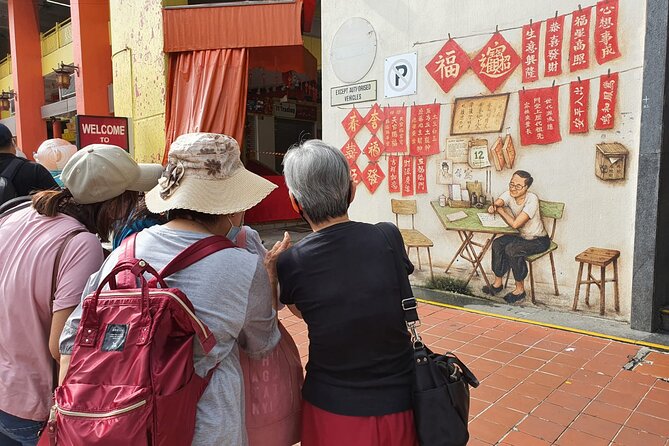
Singapore’s Chinatown is best understood on foot, and this tour gets you into its daily life early in the morning. You’ll start with an old wet market and a local breakfast, then move through shophouses, market lanes, a temple, and Ann Siang Hill while your guide connects each place to the people who lived there.
I like the small group of no more than eight, which gives the walk a personal feel. I also like the frank storytelling, including the less-polished side of Chinatown’s past. The main drawback is pace: two and a half hours goes quickly, and some stops are brief rather than full visits.
In This Review
- What makes this Chinatown walk worth your morning
- Starting early at Chinatown Complex
- Seeing old Chinatown at the Heritage Centre
- Walking the Chinatown Street Market
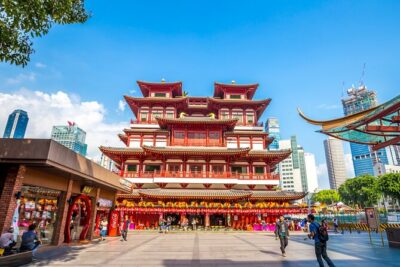
- A short but pointed stop at Buddha Tooth Relic Temple
- Ann Siang Hill and Chinatown’s newer face
- Finishing at Maxwell Food Centre
- Why the small group matters
- How much value do you get for $52.46?
- Who should book this experience?
- Practical details before you go
- Should you book Nostalgic Chinatown of Singapore?
- FAQ
- How long does the Chinatown tour last?
- What time does the experience start?
- Where does the tour begin?
- Where does the tour end?
- How large is the tour group?
- Is breakfast included in the experience?
- Does the tour visit the Chinatown Heritage Centre?
- Is the tour available by mobile ticket?
- What happens if I need to cancel?
What makes this Chinatown walk worth your morning
- A real local breakfast at the Chinatown Complex hawker centre follows a visit to one of Singapore’s oldest wet markets.
- Personal stories from the neighborhood give the streets more meaning than a standard sightseeing circuit.
- The Chinatown Heritage Centre offers a look at the hard lives of early residents.
- The group is limited to eight people, useful for questions and close contact with the guide.
- The route ends at Maxwell Food Centre, giving you an easy chance to continue eating after the tour.
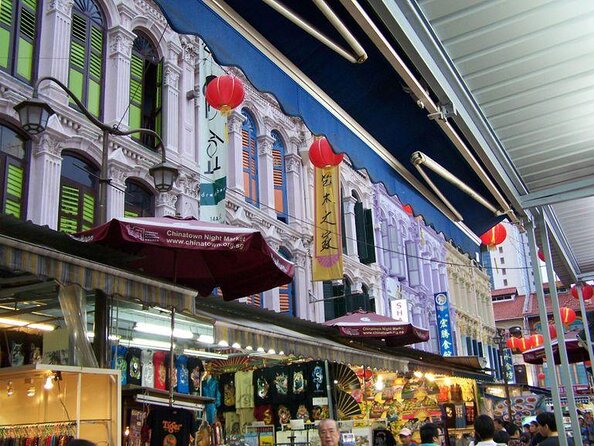
- Ann Siang Hill adds a modern contrast, with restored shophouses, dining, shopping, and older street history.
Starting early at Chinatown Complex
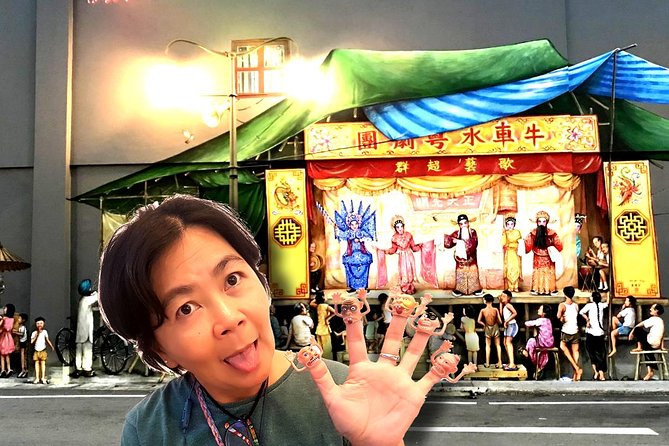
Meet at 9:00 a.m. at 151 New Bridge Road, near the Chinatown area. The tour begins inside Chinatown Complex, one of the best places to see the neighborhood before the day gets too far along.
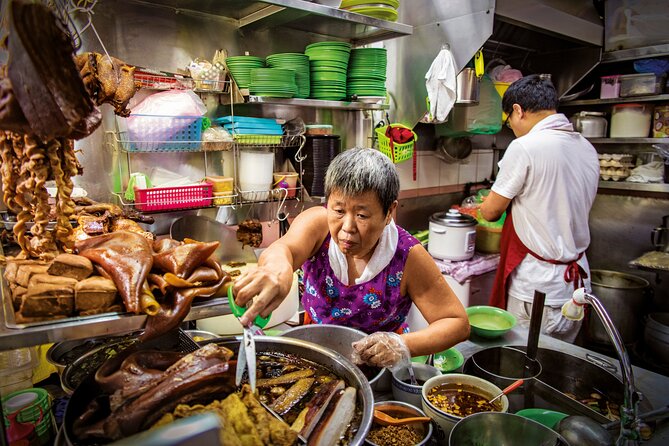
The first stop includes one of Singapore’s oldest wet markets. You’ll see stalls selling everyday goods and get a sense of Chinatown as a working district, not only a photo stop with red lanterns and decorated facades. That distinction matters. A market tells you how a neighborhood functions, while a preserved street mainly tells you how it looks.
You’ll also have a local breakfast at the hawker centre in the same complex. The exact dishes are not specified, so you should expect the guide to introduce you to a local morning meal rather than assume a particular menu. One account describes the breakfast as surprisingly good, especially as a way to try ordinary Singaporean food instead of eating only at familiar hotel cafes.
Allow about 30 minutes here. That is enough for a quick look and a taste, but not enough for a long, relaxed market breakfast. If food is a major reason you are booking, think of this as an introduction, with time to eat more later at Maxwell Food Centre.
More walks through Chinatown:
- Chinatown, Little India, Kampong Gelam City Highlights Tour
★ 5.0 · 224 reviews - Singapore: Chinatown Hawker Market Food Tour with 7 Food Tastings
★ 5.0 · 213 reviews - Singapore: Chinatown, Little India, Arab Street Walking Tour
★ 4.9 · 207 reviews
Seeing old Chinatown at the Heritage Centre
The walk continues to the Chinatown Heritage Centre on Pagoda Street. The centre occupies three restored shophouses and focuses on the lives of Chinatown’s early residents.
This is the most direct history stop on the route. Instead of only hearing about trade and migration in broad terms, you get a glimpse into the living conditions and daily realities of people who made their homes in the area. The stories include difficult parts of the past, not only the attractive version presented on souvenir signs.
That honesty is one of the strongest reasons to choose this experience. The guide connects the displays to personal accounts and local memory, helping you understand how Singapore changed and what caused those changes. Jasmine, named in the supplied experience material, is praised for telling these stories in a lively way and for not skipping the neighborhood’s darker chapters.
The scheduled visit lasts about 45 minutes. That gives you a useful introduction, though visitors who enjoy museums may want more time than the group schedule allows. The ticket information lists admission as free for this tour, so the stop adds historical context without a separate entry charge.
Walking the Chinatown Street Market
Next comes a 30-minute stroll through the Chinatown Street Market. Several streets here have been pedestrianised, making this part of the route easier and more pleasant on foot than a roadside tour.
This is where the earlier history begins to meet present-day Chinatown. You’ll pass through the main thoroughfares and see the commercial side of the district. The experience is less about checking off individual shops and more about watching how the area’s old street pattern works as a public space.
A guide is particularly useful here because a street market can otherwise blur into a series of similar stalls. The tour promises explanations about the roads, their past, and the neighborhood’s changing character. Listen for the small connections between the market, the restored buildings, and the residents who once used these streets for very different purposes.
The 30-minute limit keeps the walk moving, but it also means you may not have time to browse every stall. Bring a curious eye rather than a long shopping list. You can return later if you find something worth a closer look.
A short but pointed stop at Buddha Tooth Relic Temple
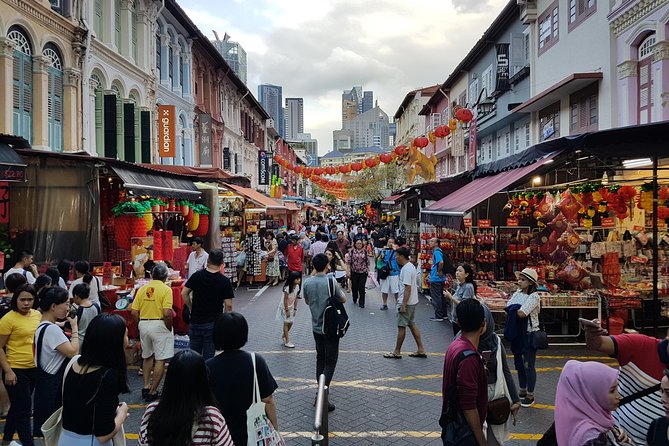
The Buddha Tooth Relic Temple and Museum is next, with about 15 minutes set aside. That is a short stop, so treat it as an introduction to the building and the street around it rather than a full museum visit.
The guide’s focus here includes the street’s past. The description uses the word deadly, tied to the guide’s childhood memories of living there in the bad old days. This adds a personal edge that a basic architectural explanation would miss. You are not only looking at a grand religious building. You are hearing how the same address could mean something very different to local residents in earlier years.
Because the stop is brief, you may not see every part of the temple or museum in detail. If you want a quiet, extended visit, plan to return independently. During the walk, the value lies in the connection between place and memory.
A different sort of day out, same city:
- Lion City Bike Tour of Singapore
★ 5.0 · 6,211 reviews - Singapore: Gardens by the Bay Bundle Entry Ticket
★ 4.3 · 3,726 reviews - Singapore: Big Bus Hop-On Hop-Off Tour by Open-Top Bus
★ 4.5 · 3,261 reviews - Singapore: Lion City Highlights Bike Tour
★ 4.9 · 2,010 reviews
Ann Siang Hill and Chinatown’s newer face
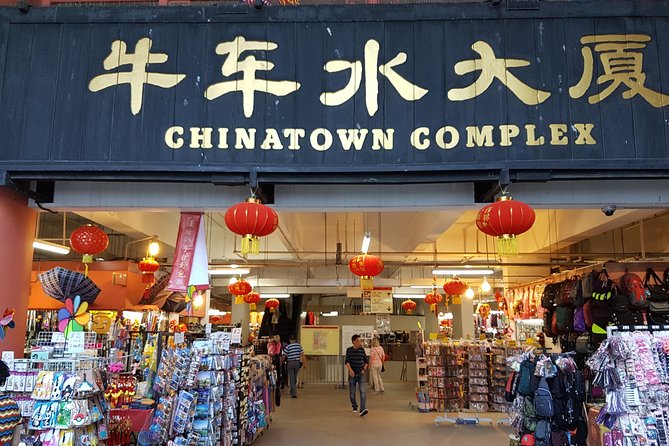
The final walking section takes about 30 minutes around Ann Siang Hill. Here, the mood shifts from market streets and heritage displays to restored shophouses, restaurants, shops, and a more polished city scene.
This is a useful ending because it keeps Chinatown from feeling frozen in the past. Singapore’s old neighborhoods continue to change, and Ann Siang Hill shows that change in plain view. Elegant shophouses now sit alongside modern dining and retail, creating a mix of old buildings and newer uses.
The guide also shares personal explanations of the area. You’ll hear how the district developed and how shopping, food, history, and modern city life now overlap. I find this more useful than treating preservation as a finished story. The buildings may be old, but the neighborhood is still being used and reshaped.
The walk is relaxed, though you should still expect to be on your feet for most of the 2-hour-30-minute experience. Singapore’s heat and humidity can make a morning walk feel more demanding than the distance suggests. Wear comfortable shoes and light clothing, and carry water.
Finishing at Maxwell Food Centre
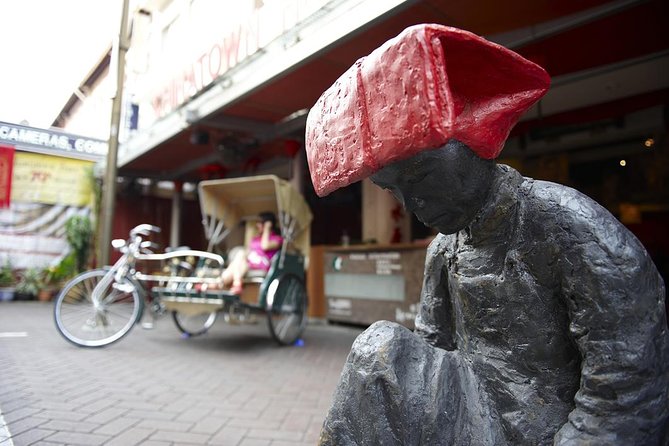
The tour ends at Maxwell Food Centre on Kadayanallur Street. This is a practical finish, since you can continue with local hawker food after the official walk ends.
The ending gives you freedom that a fixed group meal does not. You can eat more, browse the stalls, or simply stop for a drink before continuing your day. The nearest rail connection is Tanjong Pagar MRT Station, about a 5 to 10 minute walk away.
The meeting and ending points are not the same, so plan your transport with that in mind. You’ll begin near New Bridge Road and finish closer to Maxwell Food Centre. Since the tour ends in a useful food and transport area, it fits well into a larger morning plan.
Why the small group matters
The maximum group size is eight people. That is a meaningful advantage on a walking tour built around personal anecdotes and questions.
In a large group, a guide often has to repeat basic facts and keep moving. With eight or fewer, you have a better chance to ask about a street, a food stall, or a detail from the guide’s own experience. You can also hear the storytelling more clearly in busy public areas.
The small size does not turn the walk into a private tour. You still follow a set route and schedule, and the group may spend only a short time at certain places. Still, for a neighborhood tour, this format offers better contact than a large sightseeing group.
How much value do you get for $52.46?
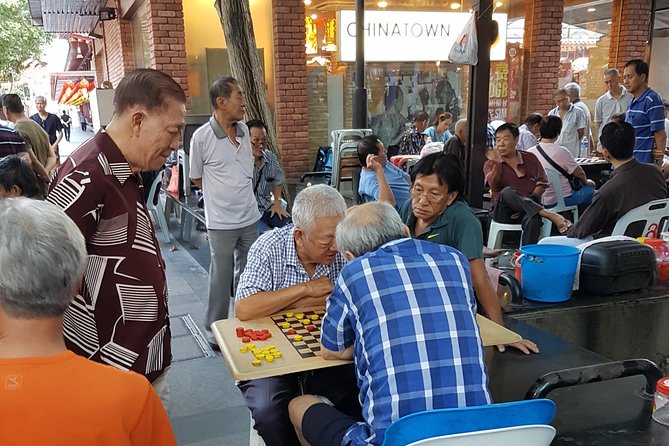
At $52.46 per person, this is not the cheapest way to walk around Chinatown. You can explore the streets without paying an admission fee, and several stops on this route are public areas.
The value comes from the combination of a local guide, a small group, a breakfast stop, and organized historical context. The Chinatown Heritage Centre admission is listed as free for the experience, and the other stops are also shown without separate admission charges. You are paying mainly for the guided interpretation and the structure of the morning.
I think the price makes more sense if you care about people and stories, not only buildings. A self-guided walk can show you Pagoda Street, the market, the temple, and Ann Siang Hill. It cannot easily give you a resident’s memories of what the neighborhood was like before its changes, or explain the less attractive parts of its past as you stand in the exact places connected to them.
Food is another part of the value, though you should not assume the tour replaces lunch. You have a local breakfast early on, then finish at Maxwell Food Centre, where you can buy more food on your own.
Who should book this experience?
I would choose this walk if you are visiting Singapore for the first time and want a clear introduction to Chinatown without spending a full day on a museum-heavy program. It also suits anyone who prefers a neighborhood explained by a local rather than a guide reading prepared facts.
The tour is a good fit for:
- People interested in social history and everyday life
- Visitors who enjoy trying local food in hawker centres
- Those who prefer small groups
- Walkers who want a morning activity
- Anyone curious about how old districts change over time
It may be less suitable if you want extensive temple time, a long food crawl, or a private itinerary tailored entirely to your interests. The route includes several stops, but some are short, especially the 15-minute temple visit.
The tour requires good weather. Most travelers can participate, and it is near public transportation, but you should still be ready for an outdoor walk in Singapore’s conditions.
Practical details before you go
The experience lasts approximately two hours and 30 minutes and starts at 9:00 a.m. A mobile ticket is provided, and confirmation is received at booking.
Wear shoes suited to walking and leave room in your morning for the breakfast stop. Since the tour ends at Maxwell Food Centre rather than its starting point, avoid planning to collect belongings from the start point afterward.
The cancellation policy is flexible up to a point. You can receive a full refund if you cancel at least 24 hours before the local start time. Changes or cancellations made within 24 hours are not accepted for a refund. Poor weather may lead to a different date or a full refund.
The published rating is 4.8 from four reviews, with particular praise for the informative history, candid treatment of Chinatown’s past, personal storytelling, and local breakfast. The sample feedback includes English and German, and the strongest recurring theme is that the tour brings Singapore’s history closer through human stories.
Should you book Nostalgic Chinatown of Singapore?
Book it if you want Chinatown explained through food, memory, and social change. The local breakfast and market opening give the morning an everyday feel, while the Heritage Centre and street stories add useful context. The group size of eight is a real plus.
Skip it if you want a long museum visit, a temple-focused tour, or a cheap orientation walk with no paid guide. At $52.46, the experience earns its price through the guide’s personal perspective and the careful route, not through included attractions.
For most first visits, I’d schedule it near the beginning of your Singapore stay. You’ll finish at Maxwell Food Centre with a better sense of what you are seeing, and you can return later to explore the stalls and streets at your own pace.
FAQ
How long does the Chinatown tour last?
The tour lasts approximately 2 hours and 30 minutes.
What time does the experience start?
The tour starts at 9:00 a.m.
Where does the tour begin?
The meeting point is at 151 New Bridge Road, near 91 Upper Cross Street in Singapore.
Where does the tour end?
The tour ends at Maxwell Food Centre at 1 Kadayanallur Street.
How large is the tour group?
The group is limited to a maximum of eight people.
Is breakfast included in the experience?
The tour includes a local breakfast at the hawker centre in Chinatown Complex. The specific food items are not stated.
Does the tour visit the Chinatown Heritage Centre?
Yes. The route includes about 45 minutes at the Chinatown Heritage Centre on Pagoda Street.
Is the tour available by mobile ticket?
Yes. The experience provides a mobile ticket.
What happens if I need to cancel?
You can cancel for a full refund up to 24 hours before the experience start time. Cancellations or changes made less than 24 hours before the start time are not refunded. If poor weather cancels the tour, you will be offered another date or a full refund.
Just added around Singapore
- Skyline Luge and Sky Ride Ticket Sentosa Singapore★ 3.5 · 3 reviews
- Marina Bay Sands SkyPark Observation Deck ticket in Singapore★ 4.0 · 3 reviews
- Singapore Private Full-Day Sightseeing Tour★ 5.0 · 3 reviews
- Singapore: Food and Bike Tour – Downtown★ 4.6 · 3 reviews
- Singapore: Chinatown Street Food Tour★ 5.0 · 3 reviews
- Learn to cook authentic Peranakan food with local market tour★ 3.5 · 3 reviews
- Singapore Brompton Bike Tour from Rail Corridor, with food!★ 5.0 · 3 reviews
- Guided Walking Tour to the Historical Attractions in Farrer Park★ 5.0 · 3 reviews
Chinatown Tours, compared.
Chinatown, Little India, Kampong Gelam City Highlights Tour
Read our review →
Chinatown Hawker Market Food Tour with 7 Food Tastings
Read our review →Chinatown, Little India, Arab Street Walking Tour
Read our review →
Kampong Glam, Little India & Chinatown with Local Street Food Tastings
Read our review →
Browse the lists this tour appears in