
Reviewed · HAWKER & STREET FOOD TOURS
Kopi & Loti
Singapore’s everyday breakfast has a story. This three-hour tour takes you from Chinatown to a traditional coffee roastery in Bedok and an old-style bread factory in Paya Lebar, where working methods still differ from the polished systems used by large food companies.
I like the direct access to places most visitors would pass without noticing, and I like the chance to taste kopi ‘O’ and local bread while learning how each is made. Guides such as Helen, Boon, Andros, and Kenneth bring different touches, including coffee quizzes, dry humor, and stories about Singapore’s fading trades. The main drawback is that the tour crosses several neighborhoods, so you need to allow time for transfers and should not expect a leisurely walk around one compact district.
In This Review
- Key points to know before booking
- Why kopi and bread make a useful Singapore tour
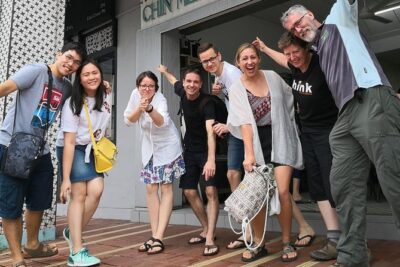
- Starting at 9:00 in Chinatown
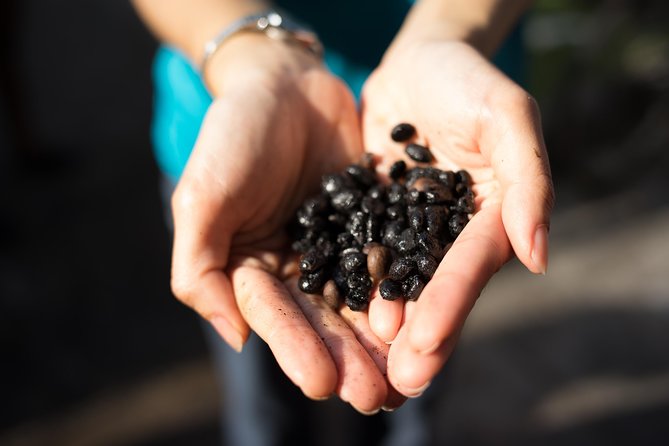
- Bedok coffee roastery: from bean to kopi ‘O’
- Paya Lebar bread factory: old tools and disappearing skills
- Guides who keep the morning lively
- What the $88.60 price really covers
- Getting between Chinatown, Bedok, and Paya Lebar
- Who will get the most from this experience
- Should you book Kopi & Loti?
- FAQ
- How long does the Kopi & Loti tour last?
- Where does the tour begin?
- Where does the tour end?
- What will I taste during the tour?
- Which places will I visit?
- Is the experience private?
- Can I cancel for a refund?
Key points to know before booking
- Coffee is made part of the lesson: You learn where beans come from, how they are roasted, and how local kopi is brewed before sampling kopi ‘O’.
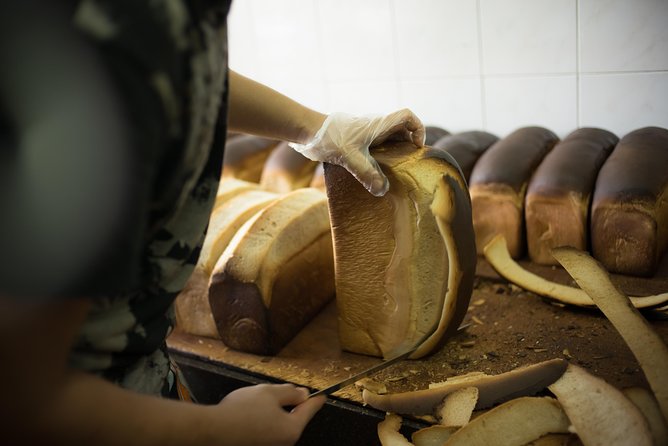
- The bread factory is a working old-style business: Wooden boards, older equipment, and hands-on methods show how these bakeries differ from mass-produced bread.
- Your guide shapes the morning: Helen has used a coffee-language quiz, while Boon, Andros, and Kenneth are known for history, humor, and clear explanations.
- The route begins in Chinatown and ends near Tai Seng MRT: You see more than one part of Singapore, but the experience involves moving between districts.
- The price is $88.60 per person: That is a fair consideration if you value access to operating food businesses and guided cultural context, rather than simply a meal.
- The activity is listed as private: Booking information also refers to a private upgrade, so confirm the exact group arrangement when you reserve.
Why kopi and bread make a useful Singapore tour
Kopi and bread are humble foods, but they tell you a great deal about Singapore. Coffee is not treated here as a quick caffeine stop. It is tied to old roasting methods, local vocabulary, breakfast habits, and the neighborhood businesses that have supplied them for years.
The bread visit adds a second angle. You are not only tasting a loaf. You are seeing how an older bakery works, why its methods differ from factory production, and why only a small number of these traditional businesses remain. That gives the tour a sense of time and change without turning the morning into a formal museum visit.
I find that useful for first-time visitors who want more than famous buildings and food-court photos. The experience connects ordinary Singaporean food with small-scale trade, family businesses, and the practical side of local culture.
The route also gives you a wider view of the city. Chinatown is the meeting point, Bedok is the coffee stop, and Paya Lebar is home to the bakery visit. You will not spend the entire morning in the historic center, which is both the tour’s strength and its small inconvenience.
More hawker centres and street food walks:
- Small Group: Michelin and Local Hawker Food Tour with 9 tastings
★ 5.0 · 1,890 reviews - Small Group: Singapore Street Food & Night Tour with 9 tastings
★ 5.0 · 1,240 reviews - The Award-Winning PRIVATE Food Tour: 10 Tastings of 3 Cultures
★ 4.5 · 1,017 reviews
Starting at 9:00 in Chinatown
The tour begins at 9:00 am at 69 Pagoda Street in Chinatown. This is a sensible starting point because it gives you an easy central reference before the group heads toward the eastern part of Singapore.
One particularly appealing detail is the local breakfast element described by a participant who started with bread and coffee from the businesses visited later. That approach makes the food lesson begin at once. Instead of hearing about kopi and bread in the abstract, you can start thinking about flavor, texture, sweetness, and preparation before seeing the production sites.
The meeting point is on Pagoda Street, so check the exact location before the morning begins. The experience ends at Tai Seng MRT Station, at 33 Upper Paya Lebar Road. This one-way route matters: you finish in a different part of Singapore, rather than returning to Chinatown.
The supplied information gives an approximate total duration of three hours. The two factory visits account for about one hour and 45 minutes, with the remaining time likely used for transfers, explanations, and tasting. Since the route covers several neighborhoods, plan your morning around the full time rather than treating the two stop lengths as the total.
Bedok coffee roastery: from bean to kopi ‘O’
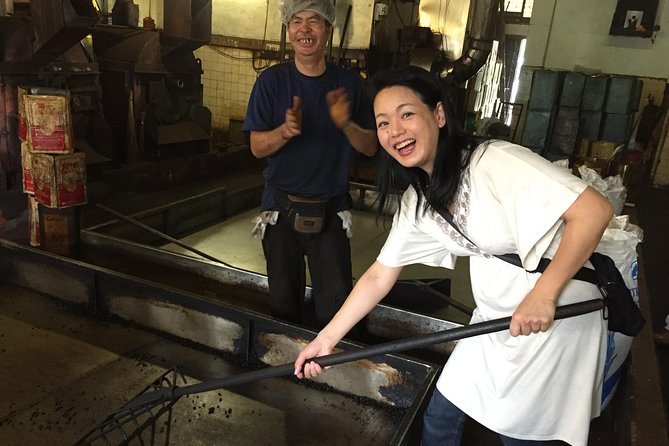
The first main stop is a coffee roasting factory in Bedok, with about 45 minutes set aside for the visit. You learn about the local kopi industry, the practical tricks of roasting, and the steps involved in preparing the coffee.
This is more useful than a standard café tasting because the focus is on production. You can expect an explanation of where coffee beans come from, how roasting changes them, and how local coffee differs from the styles served in many modern coffee shops. The session ends with a sampling of kopi ‘O’, or black coffee.
The coffee vocabulary is part of the fun. One guide, Helen, has used a coffee-language quiz to help participants understand local terms. That kind of activity suits people who like a little structure and interaction, while guides such as Andros have taken a more detailed approach to explaining the process.
You should keep your expectations in check. This is a short working-factory visit, not a full coffee course. The information provided does not promise a long tasting flight, a chance to roast your own beans, or specialist instruction on brewing equipment. If you want an introduction to Singapore’s coffee culture and a look at how the product is made, the 45-minute stop should fit well.
The coffee stop also gives the guide a chance to explain how food habits reflect Singapore’s past and present. That context is one reason the tour costs more than simply ordering kopi at a hawker center. You are paying for access, interpretation, and the connection between the drink in your cup and the business behind it.
Paya Lebar bread factory: old tools and disappearing skills
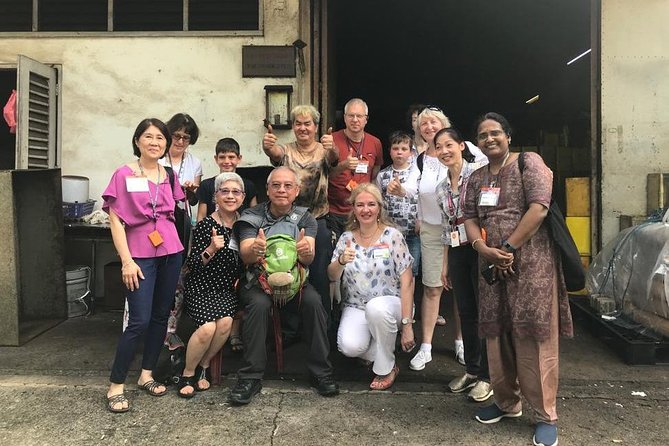
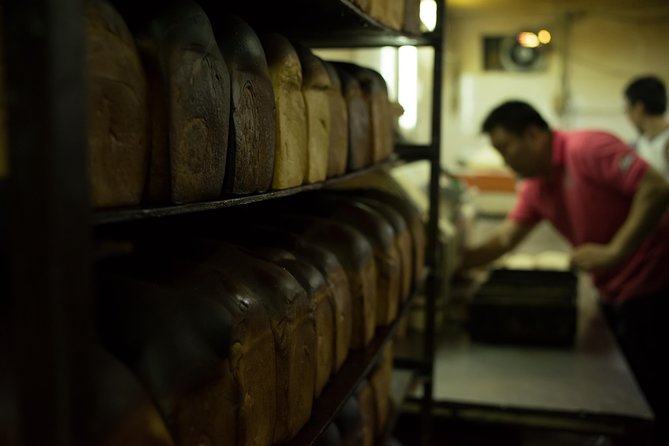
The second main stop is in Paya Lebar, where you visit a local bread factory. The visit lasts about one hour and is the stronger stop for anyone interested in old equipment and traditional working methods.
Only five of these older bread factories remain, according to the tour details. That scarcity gives the stop real purpose. You are seeing a type of business that is gradually disappearing, not a staged demonstration built only for sightseeing.
The guide explains how the bakery differs from mass-produced bread sold on supermarket shelves. You may see old equipment and wooden boards still used in the production process. Those details matter because they show the physical side of baking: the tools, surfaces, pacing, and practical habits that are easy to lose when food is made in large automated plants.
The information does not specify the exact breads available on every departure, so do not book expecting a particular loaf or pastry. It does promise authentic Singaporean bread and a behind-the-scenes explanation of the bakery’s methods. The tasting is therefore best seen as part of a broader food lesson.
I like this stop because it brings a human scale to the idea of a disappearing trade. You can understand why older bakeries have character, but also why they face pressure from modern production and changing shopping habits. The point is not that old methods are always better. It is that they create a different product and preserve skills with local value.
For anyone who enjoys retro machinery, the bakery may be the highlight. For visitors mainly interested in eating, the coffee stop and the tasting may carry more weight. The tour works best when you want both the food and the story behind it.
A different sort of day out, same city:
- Lion City Bike Tour of Singapore
★ 5.0 · 6,211 reviews - Singapore: Gardens by the Bay Bundle Entry Ticket
★ 4.3 · 3,726 reviews - Singapore: Big Bus Hop-On Hop-Off Tour by Open-Top Bus
★ 4.5 · 3,261 reviews - Singapore: Lion City Highlights Bike Tour
★ 4.9 · 2,010 reviews
Guides who keep the morning lively
The guide is important here because the factories themselves are only part of the experience. A good explanation turns a short visit into a lesson about language, business, food, and daily life.
Several guides are associated with the experience. Kenneth has led a version focused on the history and culture of Singapore’s disappearing trades. Andros has given detailed explanations and kept the schedule moving on time. Boon is known for gentle humor, anecdotes, and small facts that make the places easier to remember.
Helen adds a more playful touch with a coffee-language quiz. She has also started the morning with a local breakfast built around the coffee and bread connected to the visits. That is a useful detail if you like tours that ask you to take part rather than simply listen.
You cannot choose your guide from the information provided, so treat those names as examples of the style you might encounter, not a promise. The common thread is an emphasis on explanation, local stories, and food traditions. If your ideal tour is silent observation with little commentary, this may feel too guided. If you like asking questions and learning small cultural details, the format should suit you.
What the $88.60 price really covers
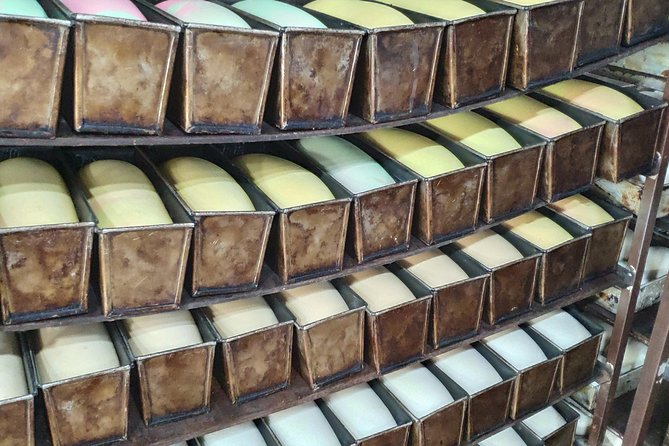
At $88.60 per person, this is not a budget breakfast outing. You could buy coffee and bread in Singapore for far less. The value depends on what you want from the morning.
The price makes more sense if you see it as a small cultural tour with access to operating food businesses. You are getting guided visits to a roastery and a bakery, tastings, transport between separate districts as part of the route, and background on trades that are not easy to understand from the outside.
It is less compelling if you want a large amount of food or a long hands-on workshop. The listed factory time is about 45 minutes at the roastery and one hour at the bakery. The supplied details do not promise a full meal, take-home products, roasting practice, or bread-making instruction.
I would compare it with the cost of a standard city tour rather than with the price of breakfast. The tour’s real product is access and context. You are buying a guided look at how local food businesses operate, along with samples that make the lessons easier to grasp.
The average booking lead time is 12 days. That suggests you should not leave it until the last morning if this is important to your plans, especially since the activity requires a minimum number of participants and may be canceled if that number is not reached.
Getting between Chinatown, Bedok, and Paya Lebar

The route covers a sizeable portion of eastern Singapore after the Chinatown meeting point. The exact transport method is not specified, so you should follow the operator’s instructions at booking and arrive ready to move between stops.
The one-way route is practical for visitors who want to continue exploring after the bakery. Ending at Tai Seng MRT Station gives you a useful onward point in the Paya Lebar area. It is less convenient if you have plans back in Chinatown immediately after the three-hour experience.
This is not a walking tour of one neighborhood. That distinction is worth making before you book. You will see different parts of Singapore, but the main attraction is the food businesses, not street architecture along the entire route.
The experience is listed as a private activity, with only your group participating. At the same time, the booking details refer to an upgrade for a private tour. Because those descriptions do not fully match, confirm the group setup and any private-tour difference before payment. That point can affect the value considerably for couples, families, or small groups.
Who will get the most from this experience
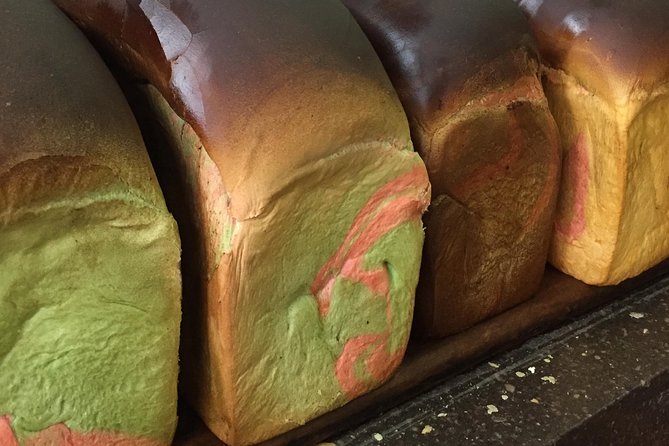
I would recommend the tour to you if you like food culture, working businesses, and local stories that do not usually appear in a standard sightseeing program. It is especially well suited to repeat visitors who have already seen Chinatown’s main attractions and want a different look at Singapore.
It also fits curious families and small groups. The coffee quiz, tastings, and machinery give the morning several points of interest, while the short stop lengths keep it from becoming an all-day technical lesson.
The tour may appeal less to you if you need a highly predictable schedule or have mobility concerns that are not addressed in the available details. Most people can participate, but specific accessibility arrangements are not provided. Ask before booking if you need step-free access, special seating, or other support.
You should also consider your food and drink preferences. The experience includes coffee and bread, but the details do not list ingredients, dietary alternatives, or a full menu. If you have allergies or strict dietary needs, contact the provider before reserving.
The tour requires good weather. If poor weather causes cancellation, you are offered another date or a full refund. You can cancel for a full refund up to 24 hours before the 9:00 am start, but changes or cancellations inside that window are not accepted.
Should you book Kopi & Loti?
Book it if you want to understand Singapore through two everyday foods and are willing to pay for access to traditional businesses. The coffee roastery gives you a compact introduction to roasting and kopi ‘O’, while the Paya Lebar bakery offers the more unusual look at old tools and methods that are becoming harder to find.
I would choose this over a generic food walk if you care about how food is made. I would skip it if your priority is a large meal, a single walkable neighborhood, or a hands-on cooking class.
The best reason to book is the combination of working food sites and cultural explanation. The main caution is practical: the route is spread across the city, the exact guide is not guaranteed, and the private-tour wording should be clarified. For the right visitor, $88.60 buys a memorable morning built around small trades that are easy to miss.
FAQ
How long does the Kopi & Loti tour last?
The experience lasts about three hours. The coffee roastery visit is scheduled for about 45 minutes, and the bread factory visit for about one hour, with the rest of the time used for travel, explanations, and tasting.
Where does the tour begin?
It begins at 9:00 am at 69 Pagoda Street in Singapore’s Chinatown area.
Where does the tour end?
The regular route ends at Tai Seng MRT Station, at 33 Upper Paya Lebar Road.
What will I taste during the tour?
The tour includes a sample of kopi ‘O’, or black coffee, as well as traditional Singaporean bread. The exact bread selection is not specified.
Which places will I visit?
You visit a coffee roasting factory in Bedok and a local bread factory in Paya Lebar. The bakery is the final stop on this route.
Is the experience private?
The booking information describes the activity as private, with only your group participating, and also refers to a private-tour upgrade. Confirm the exact arrangement when booking.
Can I cancel for a refund?
You can cancel up to 24 hours before the start time for a full refund. Cancellations or changes made less than 24 hours before the start are not accepted. If bad weather or an insufficient number of participants causes cancellation, you are offered another date or a full refund.
Just added around Singapore
- Skyline Luge and Sky Ride Ticket Sentosa Singapore★ 3.5 · 3 reviews
- Marina Bay Sands SkyPark Observation Deck ticket in Singapore★ 4.0 · 3 reviews
- Singapore Private Full-Day Sightseeing Tour★ 5.0 · 3 reviews
- Singapore: Food and Bike Tour – Downtown★ 4.6 · 3 reviews
- Singapore: Chinatown Street Food Tour★ 5.0 · 3 reviews
- Learn to cook authentic Peranakan food with local market tour★ 3.5 · 3 reviews
- Singapore Brompton Bike Tour from Rail Corridor, with food!★ 5.0 · 3 reviews
- Guided Walking Tour to the Historical Attractions in Farrer Park★ 5.0 · 3 reviews
Hawker & Street Food Tours, compared.
Small Group: Michelin and Local Hawker Food Tour with 9 tastings
Read our review →
Small Group: Singapore Street Food & Night Tour with 9 tastings
Read our review →
The Award-Winning PRIVATE Food Tour: 10 Tastings of 3 Cultures
Read our review →
Chinese, Indian & Arabic Quarters, Culture & Food Tour
Read our review →
Small-Group Food Tour With Hawker Center: Eat Like A Local
Read our review →
Browse the lists this tour appears in