
Reviewed · ART & CRAFT WORKSHOPS
Batik Painting – Cultural Art Experience
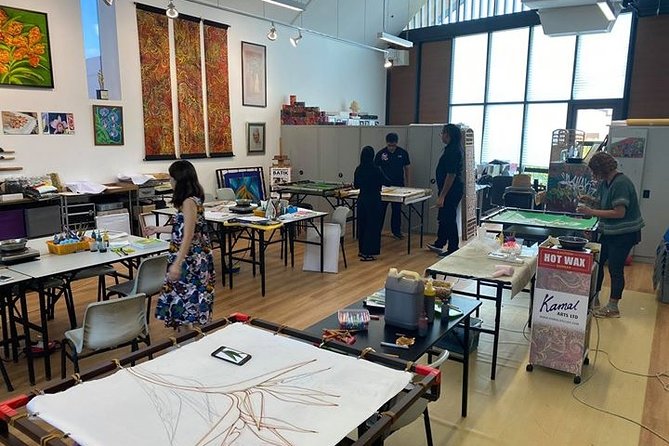
The most interesting part of this Singapore activity is the hot-wax method. You use a traditional tool to draw lines on fabric, then add color inside the wax boundaries. With artist Kamal guiding you, even a first attempt can become a personal souvenir rather than another mass-produced trinket.
I like the hands-on format and the setting at Wisma Geylang Serai, a cultural hub tied to Singapore’s Malay community. I also like that you leave with your own artwork, and that the two-hour session gives you a calm break from sightseeing. The main thing to consider is that instruction may feel brief at times, and the community-center room can be noisy or a little tricky to find.
In This Review
- Key points to know before booking
- Batik in Singapore, art with a steady hand
- Starting at Wisma Geylang Serai
- Stop 1: Geylang Serai New Market
- Stop 2: Wisma Geylang Serai and the workshop
- Stop 3: Paya Lebar Square Retail
- What the two-hour class feels like
- The local art and culture connection
- Price, value, and what you take home
- Who will enjoy this batik workshop
- Practical details that matter
- Should you book Batik Painting in Singapore?
- FAQ
- How long does the batik painting experience last?
- Where does the activity start?
- Where does the activity end?
- What will I learn during the class?
- Can I take my artwork home?
- Is the experience suitable for beginners?
- How far in advance can I cancel for a full refund?
Key points to know before booking
- Hot wax makes the artwork: You use a traditional tool to place wax on fabric before painting with color.
- Kamal leads the class: He explains the process, offers practical corrections, and talks about batik and Singapore’s art culture.
- You take home your own work: Finished pieces may receive final treatment before you display them at home.
- The venue is local in feel: Wisma Geylang Serai is a Malay cultural hub, not a polished attraction built only for tourists.
- The class lasts about two hours: Daily sessions, with at least two time options, make it easy to fit around sightseeing.
- Arrive early: Give yourself at least 30 minutes to locate the classroom inside the building.
Batik in Singapore, art with a steady hand
Batik is made by applying wax to fabric so that certain lines and areas resist the dye or paint. In this class, you get to try that process yourself. The technique is simple to understand, but it rewards patience. A line that is too thin, a gap in the wax, or a heavy hand with the paint can change the final result.
That is part of the appeal. You are not being asked to produce gallery work in two hours. You are learning how the method behaves, making decisions about color, and watching a design develop under your hand. Your finished piece will show the small quirks of a first attempt, which is exactly what makes it a useful souvenir.
The class is designed for beginners. You receive a basic explanation of the tools and steps, then work with fabric, hot wax, and paint. The format is practical rather than academic. If you want a long lecture on Southeast Asian textile history, this may feel light. If you want to try a traditional craft and make something yourself, the balance works well.
Kamal’s teaching style is a major part of the experience. He is described as patient, encouraging, and generous with his guidance. That matters here because the first stage, applying wax, can feel unfamiliar. You need to learn how to control the tool and how much wax to use without becoming too cautious to draw.
More hands on workshops to book:
- Scentopia Orchid Perfume Making (100ml) at Sentosa, Singapore
★ 5.0 · 916 reviews - 2 Hour Art Jamming Session in Singapore
★ 5.0 · 22 reviews - Singapore: Scent Crafting Workshop with Rainforest Orchids
★ 4.4 · 11 reviews
Starting at Wisma Geylang Serai
The meeting point is Wisma Geylang Serai at 1 Engku Aman Turn. The activity begins and ends there, so you do not have to arrange transport between several teaching locations. The building is near public transportation, but allow extra time once you arrive.
One useful tip is to reach the building at least 30 minutes before the scheduled lesson. The classroom is inside the community center, and finding the exact room may take longer than expected. Clearer directions to the workshop room would be welcome, especially if you are arriving for the first time.
The setting gives the class a stronger local connection than a workshop placed in a hotel or a tourist shopping area. Wisma Geylang Serai serves as a cultural hub for Singapore’s Malay community. That does not mean you should expect a formal museum tour. It means your craft lesson takes place in a working community setting with a real connection to the culture being discussed.
The tradeoff is comfort and polish. The room has been described as pleasant and suitable for art, but it may not be completely quiet. If the sound of activity around you distracts easily, bring that expectation with you. The room’s local, everyday character is part of the experience, but it is not a staged studio designed to look perfect in photographs.
Stop 1: Geylang Serai New Market
Geylang Serai New Market is listed as the first stop connected with the experience. The craft class itself meets at Wisma Geylang Serai, so treat the market as a nearby place to explore before or after your session, not as a separate long tour stop.
This is a useful pairing. The market helps you get a feel for the Geylang Serai area, while the workshop gives you time to focus on one part of Malay artistic culture. You can plan a little extra time around the class if you want a fuller visit to the neighborhood.
Do not expect the batik lesson to include a guided market walk. The stated activity is the painting class, and the session ends back at the meeting point. The market is best used as a practical addition to your day, especially if you arrive early or have time afterward.
Stop 2: Wisma Geylang Serai and the workshop
This is the heart of the experience. You learn the basic batik process from a local artist and create your own fabric artwork. The class is about two hours, which is enough time to understand the method and complete a beginner piece without turning the afternoon into a full-day commitment.
The first stage is drawing or tracing a design with hot wax. The traditional tool creates the wax lines that guide the later painting. You then work with colors and learn how to blend them. The process is tactile and direct: wax, fabric, paint, and your own choices.
Kamal explains the steps and stays available while you work. Several parts of the teaching approach are especially useful for a first timer. You get advice on how to handle the wax, how to paint within the design, and how to blend colors without losing the shape of the pattern.
Some participants have enjoyed making more than one piece, including a layered design on a bandana. The exact project can vary, so you should not assume a specific finished item. The important point is that the class gives you a real object to work on and take home, rather than a demonstration where you only watch.
A finishing step may be handled for you after the painting. One account describes taking home pieces that had been nicely finished by Kamal Arts. Ask during the session how your work will be treated and when it will be ready, since the supplied details do not promise a particular finishing process or pickup arrangement.
A different sort of day out, same city:
- Lion City Bike Tour of Singapore
★ 5.0 · 6,211 reviews - Singapore: Gardens by the Bay Bundle Entry Ticket
★ 4.3 · 3,726 reviews - Singapore: Big Bus Hop-On Hop-Off Tour by Open-Top Bus
★ 4.5 · 3,261 reviews - Singapore: Lion City Highlights Bike Tour
★ 4.9 · 2,010 reviews
Stop 3: Paya Lebar Square Retail
Paya Lebar Square Retail is also listed in the activity’s surrounding itinerary. Like the market, it is best viewed as part of the area you can explore around the class rather than as a scheduled shopping excursion.
This gives you flexibility. You can combine the workshop with a meal, errands, or a little indoor retail time, especially on a hot or rainy Singapore day. The painting session itself remains the main event, and you should not book it expecting a dedicated shopping component.
That flexible neighborhood setting helps the experience fit into a city itinerary. You can schedule a morning or afternoon session, then continue sightseeing. The daily availability and at least two sessions per day make the timing practical for a short stay.
What the two-hour class feels like
The class has a relaxed pace, but it is still a real lesson. You begin with instruction, then spend much of the session making your own piece. You are not expected to arrive with drawing skills. The process can be followed by beginners, and the instructor’s encouragement helps take the pressure off.
I like this kind of activity for Singapore because it changes your pace. After walking through hot streets, crowded attractions, and shopping centers, sitting down with a piece of fabric gives you something quieter to do. The wax and paint demand enough attention to keep you present without requiring advanced artistic ability.
The class also works well for family members or companions with different interests. A parent and adult child, friends, or a couple can work side by side. One person may focus on careful lines while another experiments with color. The project is individual, but the setting allows you to share the experience.
Still, you should keep expectations realistic. A two-hour beginner workshop cannot cover every batik technique or provide a detailed survey of the craft. One less satisfied participant felt the early process was not explained in enough detail. If you want more instruction, speak up at the start and ask Kamal to walk you through the complete sequence before you begin.
That is a useful practical approach. Ask about the wax tool, the order of the steps, color blending, and any corrections before starting your design. A participant also noted that a correction tool was not clearly explained. The instructor’s response indicated that scraping wax from the fabric can damage it and produce uneven color, so prevention is better than trying to repair every mistake.
The local art and culture connection
Batik is not just a decorative painting exercise. The process connects the object in your hands with Malay artistic traditions in Singapore and the wider region. During the lesson, you can ask questions about local art, the place of batik in the community, and the instructor’s own work.
Kamal is described as an artist who travels internationally to share batik. His role gives the class a personal link to the craft. You are learning from someone who practices and teaches the art, not simply from a staff member reading a prepared script.
The cultural information may be fairly short, depending on the pace of the session. One participant wanted more background on batik, while others valued the practical instruction most. If cultural context is important to you, ask direct questions. You may get more from a conversation with the artist than from a long formal presentation.
The venue adds another layer. Wisma Geylang Serai is connected with the Malay community, so the class feels rooted in a local area. It is an off-the-beaten-track choice compared with the major central attractions, though the building itself is not presented as a grand heritage site.
Price, value, and what you take home
At $96.89 per person, this is not a cheap drop-in craft activity. The price makes the most sense if you value direct instruction, a local artist’s time, the materials, and a finished piece that you create yourself.
You are paying for more than a souvenir. You get a two-hour introduction to a traditional technique, guided practice with hot wax, painting materials, and help as your design takes shape. The cultural setting and chance to ask Kamal questions add value that a basic craft kit would not provide.
The value is weaker if you mainly want a quick activity or a polished professional artwork. Your result will be a beginner’s piece, and the learning process matters as much as the final appearance. If you dislike making mistakes or prefer to buy a perfect batik textile, spend the money at a shop instead.
For the right person, the personal souvenir is the strongest part of the deal. You remember how you made the lines, where the colors blended, and which parts went slightly differently than planned. That memory gives the artwork more meaning than a factory-made item.
The high rating of 4.9 from 49 ratings and a 98 percent recommendation rate point to a consistently positive experience, but they should not erase the practical caveats. Instruction can vary, the room may be noisy, and the directions inside the building could be better. Arriving early and asking questions will improve your odds of a smooth session.
Who will enjoy this batik workshop
I would recommend it to you if you want an activity that is:
- Creative but beginner-friendly: You do not need professional drawing experience.
- Culturally connected: The craft, instructor, and venue all relate to Singapore’s Malay community.
- Relaxed and hands-on: You spend the session making something, not just watching.
- Suitable for a short itinerary: Two hours leaves room for other Singapore plans.
- Good for pairs and families: You can share the class while creating separate pieces.
- A break from outdoor sightseeing: The activity offers a slower change of pace during a busy city visit.
It may not suit you if you want a full cultural lecture, a quiet private studio, or a highly polished art lesson with extensive individual coaching. The maximum group size is 20, so the class can be larger than a one-on-one session, even though some participants have received very personal guidance.
The experience is also a good fit for people who want to continue the craft at home. The instruction covers enough of the basic process to give you a starting point, and Kamal has shared knowledge and contacts with participants interested in making batik after returning home.
Practical details that matter
The activity is available daily, with at least two sessions offered each day. That flexibility is useful if you have limited time in Singapore or want to place the class around a market visit and other plans.
A mobile ticket is provided. Confirmation is normally received at booking, though bookings made within 12 hours of the start time are confirmed as soon as possible and depend on availability.
Most people can participate, and the class is near public transportation. The group can include up to 20 people. The activity ends at the same Wisma Geylang Serai meeting point, so plan your onward journey from there.
Hot wax is part of the process, so listen carefully before beginning and follow the instructor’s directions. The supplied information does not provide specific details about age limits, wheelchair access, or arrangements for participants who need special assistance. Contact the provider, Kamal Arts, if those points affect your booking.
You can cancel for a full refund if you do so at least 24 hours before the experience starts. Cancellations or changes made inside that window are not accepted for a refund, and all cut-off times use Singapore local time.
Should you book Batik Painting in Singapore?
Book this class if you want to make something with your hands and connect it to Singapore’s Malay culture. The strongest reasons are Kamal’s patient guidance, the chance to use traditional hot-wax techniques, and the personal artwork you carry home.
Go in prepared for a working community-center setting, not a silent luxury studio. Arrive 30 minutes early, ask for a full explanation before you start, and allow yourself to enjoy the imperfect parts of the process. At $96.89, it is a worthwhile choice for a meaningful cultural activity, but less compelling if you only want inexpensive entertainment or a flawless souvenir.
FAQ
How long does the batik painting experience last?
The activity lasts approximately two hours.
Where does the activity start?
It starts at Wisma Geylang Serai, 1 Engku Aman Turn, Singapore 408528.
Where does the activity end?
The activity ends back at the Wisma Geylang Serai meeting point.
What will I learn during the class?
You will learn the basics of batik painting, including how to use a traditional tool to apply hot wax to fabric and how to paint and blend colors.
Can I take my artwork home?
Yes. The experience includes your own completed artwork as a souvenir. Some pieces may receive finishing treatment from Kamal Arts.
Is the experience suitable for beginners?
Yes. The class is designed to teach the basic process, and most participants can take part. You do not need advanced artistic experience.
How far in advance can I cancel for a full refund?
You can cancel at least 24 hours before the experience start time for a full refund. Changes or cancellations made less than 24 hours in advance are not accepted for a refund.
Just added around Singapore
- Marina Bay Sands SkyPark Observation Deck ticket in Singapore★ 4.0 · 3 reviews
- Singapore Private Full-Day Sightseeing Tour★ 5.0 · 3 reviews
- Skyline Luge and Sky Ride Ticket Sentosa Singapore★ 3.5 · 3 reviews
- Singapore: Food and Bike Tour – Downtown★ 4.6 · 3 reviews
- Singapore: Chinatown Street Food Tour★ 5.0 · 3 reviews
- Learn to cook authentic Peranakan food with local market tour★ 3.5 · 3 reviews
- Singapore Brompton Bike Tour from Rail Corridor, with food!★ 5.0 · 3 reviews
- Guided Walking Tour to the Historical Attractions in Farrer Park★ 5.0 · 3 reviews
Art & Craft Workshops, compared.

Scentopia Orchid Perfume Making (100ml) at Sentosa, Singapore
Read our review →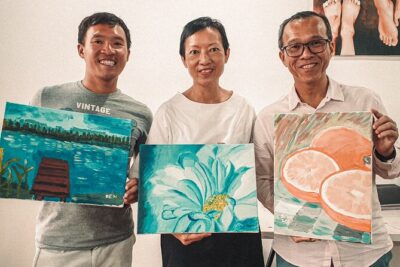
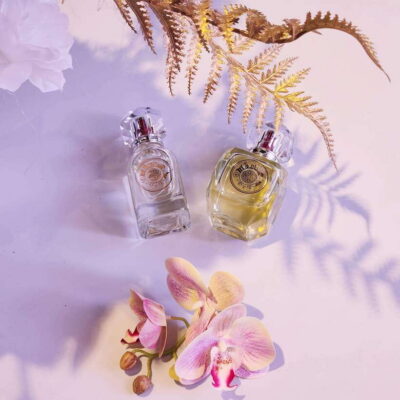

Scentopia – 100ml Scent crafting with Rainforest orchids
Read our review →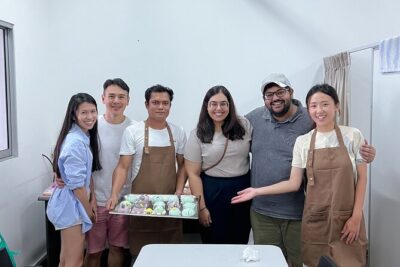

Browse the lists this tour appears in